

The X-ray record, third time
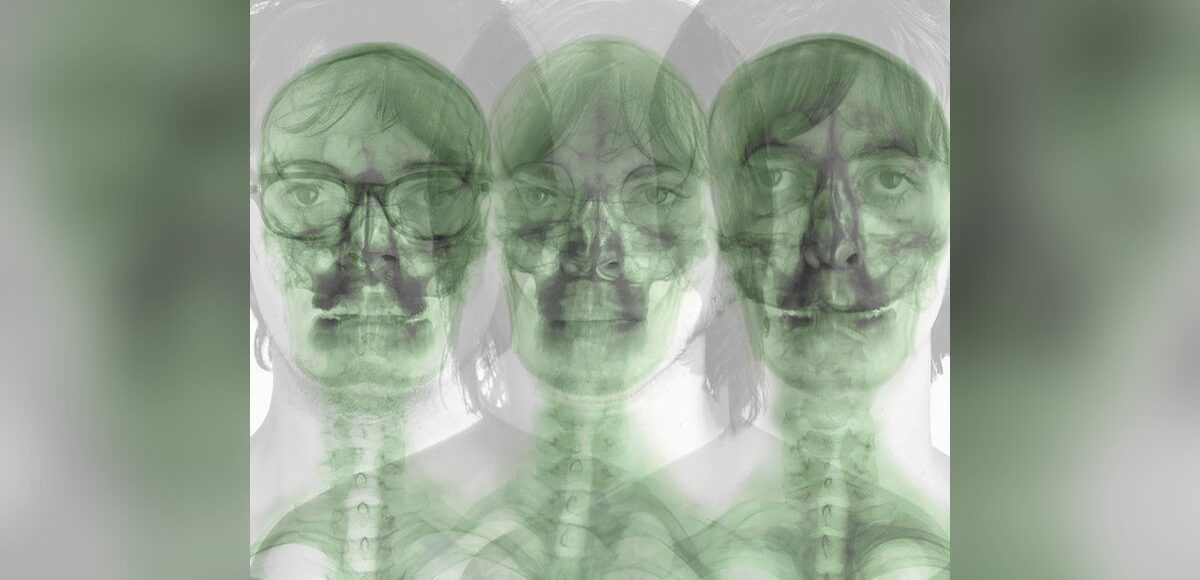
On 20 September 1999, Supergrass released their self-titled third album on Parlophone. Fans still call it the X-ray album because of the sleeve: three skull overlays floating on white. Sessions took place at Sawmills in Cornwall and Ridge Farm in West Sussex with the band producing alongside engineer John Cornfield. After the darker swing of In It for the Money, this record pushes further into dense arrangements, stacked vocals, and mid-tempo weight without dropping the hooks that made them chart regulars.
The singles carried the campaign. Pumping on Your Stereo arrived in May 1999 with a Hammer & Tongs video of the band as soft puppets and peaked at UK No.11. Moving, issued in September, followed the album into the shops; Mary closed the run in November with a Sophie Muller clip. The album itself reached UK No.3, stayed on the chart for months, and went platinum in Britain. Australia got a live bonus disc with some pressings. Rob Coombes’s writing credit sits with the band across the set, even before his official member listing on the next album.
Listen for harpsichord on the outro of Your Love, the long glide of Faraway, and the glam stomp that still sits under Pumping on Your Stereo. Jesus Came from Outta Space and Born Again lean into sci-fi joke titles with serious guitar work. Cornfield’s room sound keeps drums thick and guitars layered rather than thin Britpop sparkle. At forty-five minutes it is the longest Supergrass studio statement of the 90s, and it feels built for headphones as much as for festivals.
Often referred to as the X-ray album, due to the picture on the sleeve.
(Common shorthand for the 1999 Supergrass album)

By late 1999 Britpop’s first wave was cooling, and Supergrass answered with a record that looked clinical and sounded wider than the Alright grin. The puppet video for Pumping on Your Stereo kept the humor; the album underneath stayed adult. Later remasters and the 2022 deluxe edition with John Leckie and Cornfield remixes only underline how carefully the original sessions were built.
The lasting value is the balance. Supergrass proved they could thicken the mix, keep UK Top 5 status, and still write a chorus you shout in a field. The X-ray faces on the cover are a gimmick that stuck; the songs behind them are why the gimmick still gets pulled off the shelf.