Abbey Road leap with George Martin
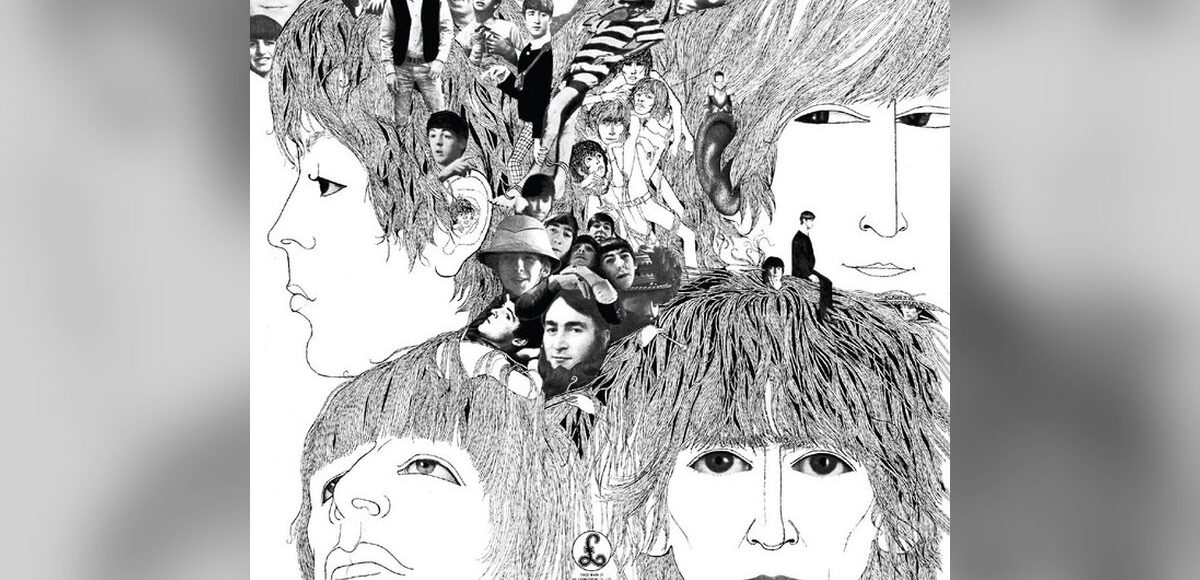
On 5 August 1966 Parlophone released Revolver, the Beatles album cut at Abbey Road with George Martin after the band stopped pretending every song needed a stage arrangement. Sessions ran from April into June. Klaus Voormann’s black-and-white collage cover made the package look like a studio document, not a smiling promo. The UK running order opens with Harrison’s Taxman; Capitol’s US edition still shuffled tracks that year, a habit the band would soon outgrow.
Geoff Emerick’s engineering marks the sound: closer miking on Ringo’s kit, ADT on vocals, varispeed and reverse tape where a song asked for it. Eleanor Rigby puts McCartney over a string octet scored by Martin, no band in the final mix. I’m Only Sleeping floats on backward guitar. Love You To and Tomorrow Never Knows push Indian colour and tape loops into the foreground; the latter ends the album on a drone built from loops and a Lennon vocal fed through a Leslie cabinet. Between those poles sit Got to Get You into My Life, Here, There and Everywhere and Yellow Submarine, still radio-shaped but no longer written for screaming venues.
The singles campaign paired Eleanor Rigby with Yellow Submarine. Chart reaction was immediate on both sides of the Atlantic. Critics heard a leap past Rubber Soul: shorter songs, stranger textures, three writers at full strength. Harrison lands three tracks. Lennon and McCartney trade roles without needing a concept sleeve to explain the jump.
Lennon’s She Said She Said came out of an acid conversation with Peter Fonda; the irregular drum pattern and stacked guitars keep the paranoia musical rather than spoken. McCartney’s For No One uses a French horn solo by Alan Civil inside a breakup lyric with no chorus safety net. Even the lighter tracks carry studio decisions: the brass on Got to Get You into My Life was Motown admiration translated into Abbey Road charts, not a live-band arrangement.
We were suddenly hearing sounds that we couldn’t get before.
(George Martin on the Revolver sessions)
Touring ended weeks after release. The Candlestick Park show in San Francisco closed the live chapter; Revolver already pointed at the studio as the main stage. Later remasters and the 2022 remix only underlined how much of the original punch lived in Emerick’s mic choices and Martin’s arrangements.
What remains useful is the working proof. A string octet, a children’s chorus, a Leslie vocal and a riff about the Inland Revenue can share one LP without collapsing into novelty. Revolver is the Beatles deciding that the record, not the set list, is the finished product. Everything after it, including Sgt. Pepper, borrows that permission.
In 2022 Giles Martin’s remix brought the stereo field closer to modern listening without erasing Emerick’s midrange punch. The album still rewards headphone passes: count the tape edits on Tomorrow Never Knows, then flip back to the dry acoustic of Here, There and Everywhere. That range is the point of Revolver.