




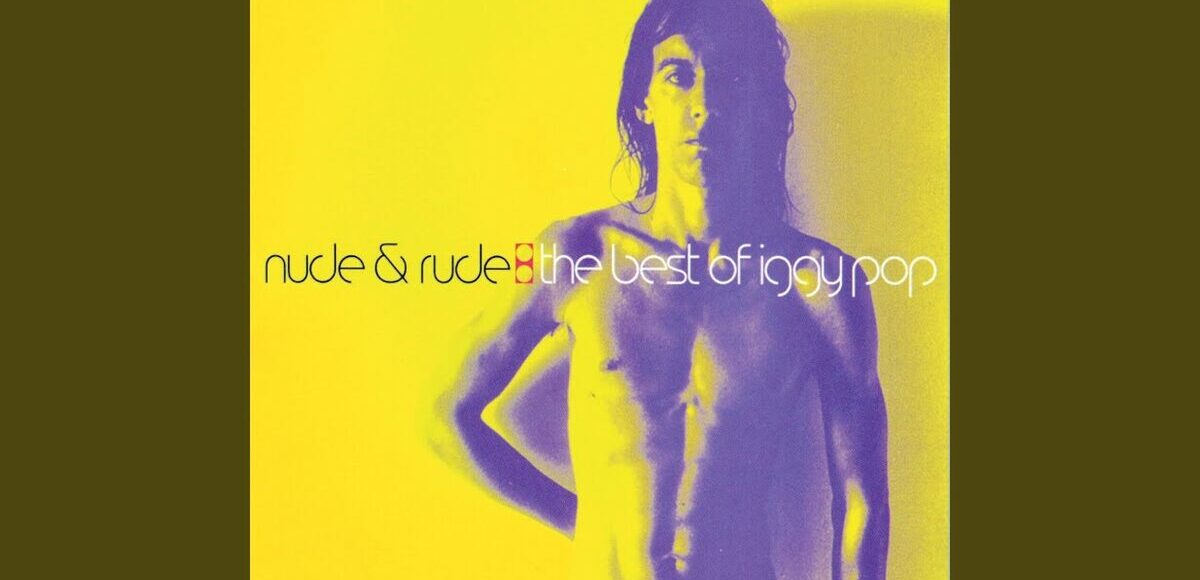
The Idiot, 1977: Glitter beat slowed for Berlin
Nightclubbing sits on Iggy Pop’s The Idiot, released in March 1977. Listeners often place the album beside Bowie’s Low and “Heroes”, as an unofficial fourth Berlin record. The drums take the parade-ground beat of Gary Glitter’s Rock and Roll Part 2 and play it colder. Pop sings as if he were reading appointments. The line he keeps is “we nightclubbing”. Synth and guitar stay dry. People can dance to the beat. The vocal does not brighten it.
Bowie co-wrote the song and co-produced it. Sessions moved between France and Berlin while Pop rebuilt after the L.A. excess. The lyric is a list of nightlife poses. It does not follow a plot. It does not add a moral at the end. The club appears as a habit, the thing he does, not a night he is selling.
Grace Jones later carried the song into another decade. The beat was simple enough, and the arrangement dry enough, for another singer to use. On Pop’s recording the voice stays flat from the first line. DJs and singers who cover the track keep coming back to that Glitter-derived beat. The studio take is the one they start from.
The same Berlin partnership also made Lust For Life. That record moves with a bounce. Nightclubbing does not. Pop names the night and leaves the celebration out. The flat delivery is why the track stayed in circulation after 1977, instead of passing as a joke from that year.
We nightclubbing. We’re what’s happening.
(Iggy Pop, lyric from Nightclubbing (The Idiot, 1977))
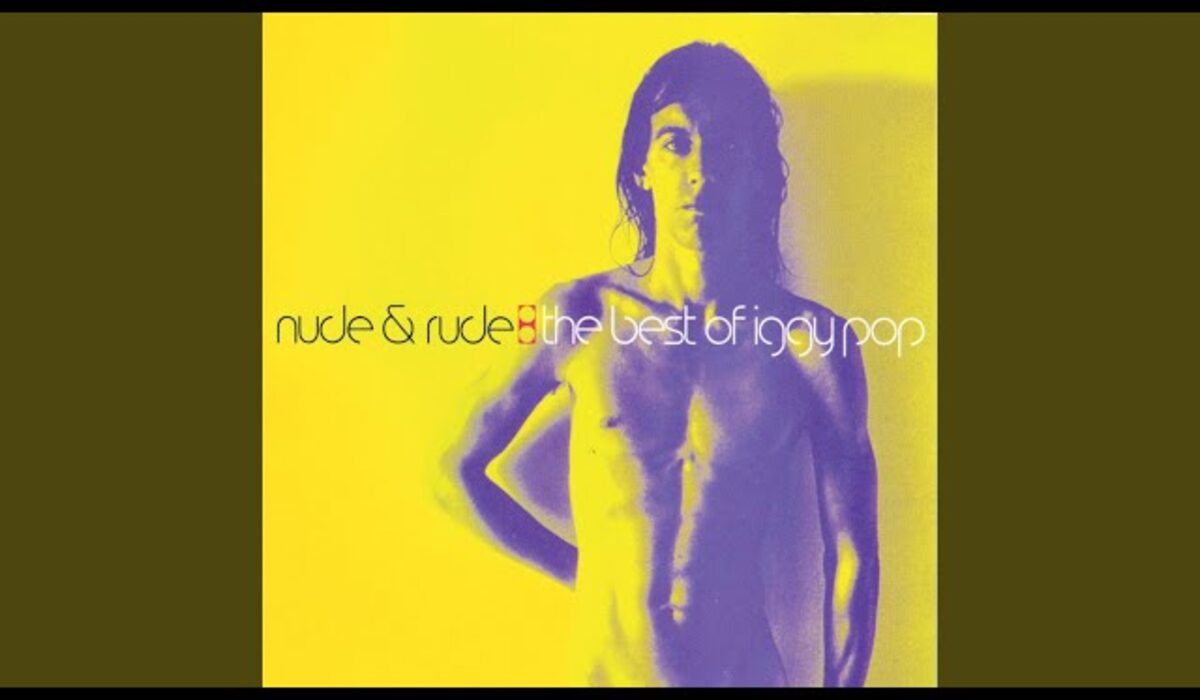
Reissues and later covers still begin with the March 1977 studio recording. The dry synths are in that take, and so is the dry guitar. Grace Jones’s version put another vocal on the same beat. DJs still use the slowed Glitter pattern. Compilations and radio edits did not replace the original recording.
Bowie’s co-write and the sessions between France and Berlin sit behind that vocal. Pop was rebuilding after L.A. The finished track lists the night, states the habit, and stops.
The Idiot came out in March 1977, and listeners still set it beside Low and “Heroes” when they call it an unofficial fourth Berlin album. Nightclubbing is the track that takes Rock and Roll Part 2 and plays the parade beat colder. Pop does not tell a story about one night out. He lists poses, and “we nightclubbing” returns like the next line on that list. The synth does not add a wash. The guitar does not either. Both stay dry, which leaves the vocal flat and the beat heavy.
Grace Jones could carry the song into another decade because the 1977 arrangement was bare enough to hold a different vocal. DJs who come back to Pop’s recording come back for the slowed Glitter pattern, not for a later remix that replaces it. Lust For Life, from the same partnership, is the record that bounces. Nightclubbing is the one that does not. Bowie co-wrote this song and co-produced it. The sessions stayed on the move between France and Berlin while Pop rebuilt after L.A. The release month is March 1977. Pop’s vocal stays with the list.
Harold | 9 October 2026
|
Cool. Now I want the deep cuts around Nightclubbing too.
Sofi | 10 October 2026
|
First time I heard Nightclubbing was on a burned CD. Still got the scratches in my head.
Noah | 10 October 2026
|
Opened the article, heard the riff in my head before the embed loaded. Classic.
Jacques | 11 October 2026
|
Solid chronicle. I forgot how sharp Iggy Pop sounded on this one. Replay button abused.
Maya | 12 October 2026
|
I always skip to Nightclubbing on the album. Guilty. Might be recency bias but I do not care today.
Amy | 12 October 2026
|
Not my usual lane but Nightclubbing got me. Fair enough.
Louise | 13 October 2026
|
Heard Nightclubbing a thousand times. This reminded me why it stuck. Also the comments section on old forums was wild about this.
Tom Riff | 14 October 2026
|
This is the track I put on to test new speakers. Iggy Pop never lies.
Alex | 14 October 2026
|
I came for Iggy Pop, stayed for how clean this write-up is. Nightclubbing hits different after reading.
Zoé | 15 October 2026
|
Ok but who else puts Nightclubbing on at 1am and feels seen?
Jackie | 16 October 2026
|
Bass line on Nightclubbing is the whole argument. Rest is decoration.