Berlin, 1977: Hunt Sales’s drums open the Lust For Life sessions
Four snare hits and the room jumps. Lust For Life, the title track of Iggy Pop’s 1977 album with David Bowie, starts on Hunt Sales’s drums before the guitars and call-and-response vocals pile in. Catalogues date the album to late August / early September 1977, cut in Berlin after The Idiot. Bowie co-writes and co-produces; Tony Sales holds the bass; Ricky Gardiner colours the guitars. The groove is closer to a Bo Diddley / motorik hybrid than to Stooges feedback.
The Berlin stretch was rehab by work: cold studios, disciplined takes, and Pop writing with Bowie after the chaos of the mid-1970s. Lust For Life keeps the lyric conversational (“here comes Johnny Yen again”) while the band locks a danceable grid. Colin Thurston engineered with the Hansa / Berlin circuit that also shaped Bowie’s own Low / “Heroes” period. The song is built to be sung back: simple vowels, shouted answers, a chorus that does not need a lyric sheet.
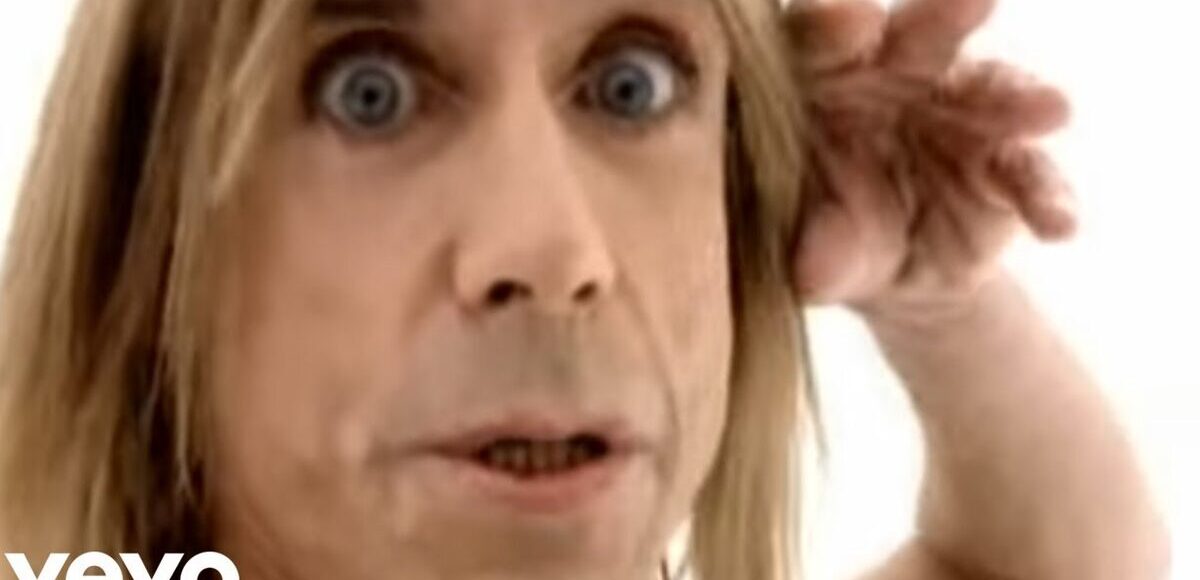
Television and film reopened the track for younger crowds. Danny Boyle’s Trainspotting (1996) put the opening drums under the opening run, and commercials followed. Official channels still push the VEVO clip as the reference visual: Iggy in motion, not a later soft-focus tribute. Live, Manchester Apollo and European TV slots from autumn 1977 already treated the song as a set-piece.
Here comes Johnny Yen again / Looking like a man from Mars.
(Iggy Pop / David Bowie, opening lines of Lust For Life (1977))
Sales figures for the original album lagged behind its later myth. Syncs and reissues did the heavy lifting. By the 1990s the drum intro was cultural shorthand for reckless appetite, which is ironic for a track cut under Bowie’s studio discipline.
Play it next to The Passenger and you hear the same Berlin band speaking two dialects: one for the dancefloor shove, one for the car-window stare. Lust For Life remains the shove.