Levi Seacer wrote the line, and the band played it with no loop
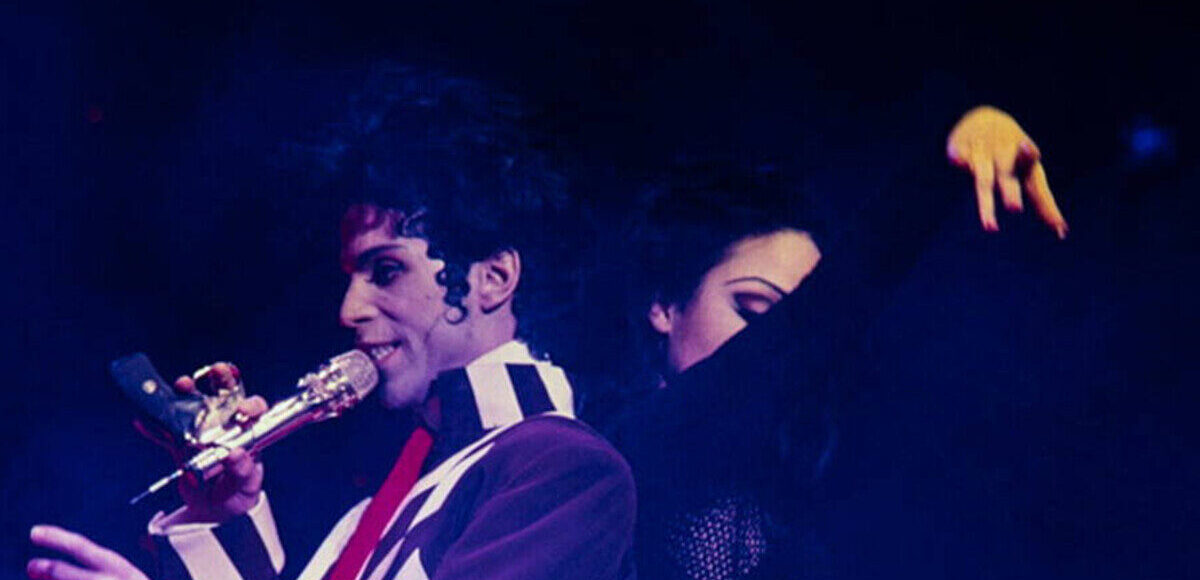
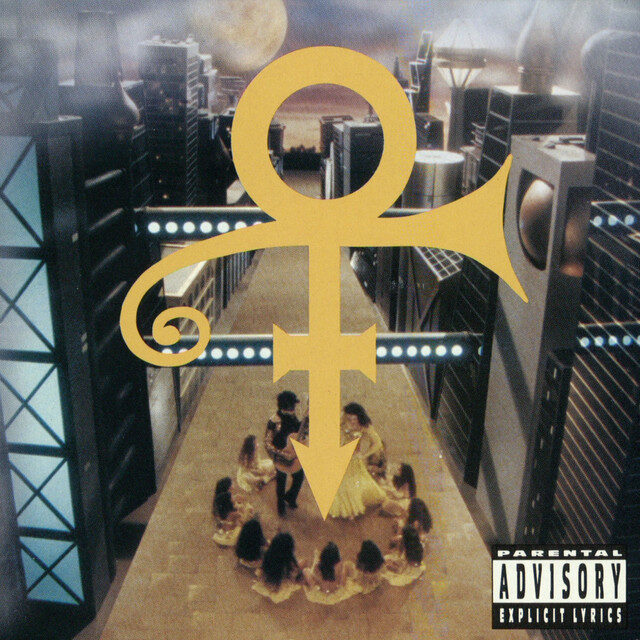
On 30 June 1992, Paisley Park and Warner Bros. released Sexy M.F. as the first single from the album that would not carry a title you could pronounce. Love Symbol came out on 13 October. The track had been cut in December 1991, in Studio A at Paisley Park in Chanhassen, in the same run of sessions as The Sacrifice of Victor and The Morning Papers. Prince had already played it live on 11 January 1992 at Glam Slam in Minneapolis, months before the record reached a shop.
Prince wrote the music and most of the words. Levi Seacer Jr. came up with the title and the chorus, and he sang that line. Tony M. wrote the rap and delivered it. The band on the tape is the New Power Generation as a working group: Michael B. on drums, Sonny T. on bass, Seacer on guitar, Tommy Barbarella on keyboards, Kirk Johnson and Damon Dickson on percussion. The horns are the NPG Hornz: Michael B. Nelson, Kathy Jensen, Dave Jensen, Brian Gallagher and Steve Strand. After hearing George Clinton’s Get Satisfied, Prince asked engineer Dave Friedlander for a horn part in that spirit.
The chorus says the word. American radio would not. A clean edit, issued under titles including Sexy Mutha, went to stations and onto the US version of the album. The single still reached only number 66 on the Billboard Hot 100. In the UK it hit number 4. Some formats used a disc pressed in the shape of the Love Symbol. The video, directed by Sotera Tschetter, was shot from 20 March 1992 in the Paisley Park parking garage and at Prince’s house, with Troy Beyer in the cast and a yellow BMW in the frame. Warner sold it as a VHS single on 16 June 1992. That tape went to number 1 on Billboard’s music-video chart and was certified gold by the RIAA on 3 February 1993.
In Sexy M.F., everyone was sure there was a James Brown loop tucked in there. Well, there’s loops in there, right? Nope.
(Tommy Barbarella, Rolling Stone, 2016)
Barbarella has said he wanted to repair his organ solo, and that Prince told him to leave it. The point of the band, as he put it later, was that they could play what was in Prince’s head without hiding a sample under the drums. Listeners kept asking where the James Brown loop was. There wasn’t one. On the Act I and Act II tours the song sat in a medley with Love 2 the 9’s. The Washington Post’s Richard Harrington heard a lean, propulsive line in the tradition of James Brown and of Prince’s own Housequake, and added that the chorus was too explicit for the airplay it might have had.
The gamble was the word. A funk record with a live horn section, led by a chorus Top 40 would not announce, still opened the Love Symbol campaign. In Britain it was a top five single. In America the video sold and the song stalled at 66. Prince kept it anyway. In 1993 he put Sexy M.F. on The Hits 2, under the title Levi Seacer had written, not under the clean name radio had asked for.