




Casa Babylon, 1994: after Cargo 92 and the Colombian train
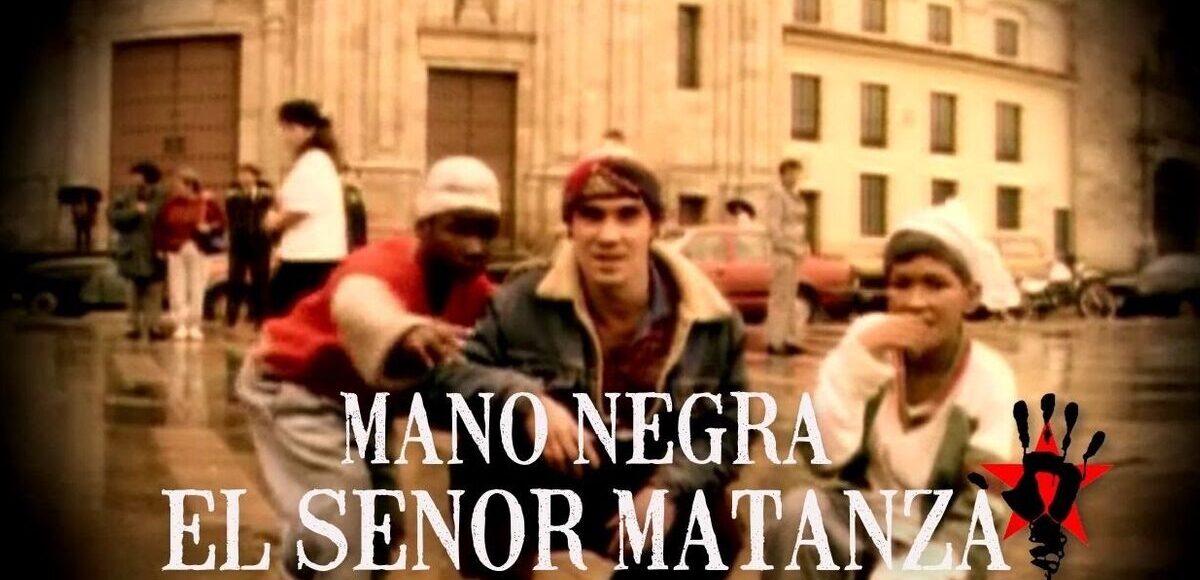
In May 1994, Mano Negra released Casa Babylon on Virgin France, their fourth and final studio album. Señor Matanza is track four, written by Manu Chao with the band, and runs about four minutes. Much of the record was tracked at Studio Ornano in Paris, with further work in Cologne, New York and Buenos Aires. By release, the group had already fractured after Cargo 92 and the Colombian train tour that Ramon Chao later documented. The single still went out with Manu Chao’s voice at the centre.
The lyric names a figure who owns the taxi, the shots, the land, the paramilitary, the federal agent, the school and the pawnshop. "Matanza" means slaughter. It is not a portrait of one named boss so much as a map of how power, drugs and silence lock a city. The arrangement mixes Latin rhythm, rock guitar and spoken asides in the patchanka style the band had built since the late 1980s: Spanish lyrics, street noise, no polite border between genres.
François Bergeron directed the video on location in Colombia with Manu Chao. The clip treated the song like a short film rather than a stage mime. Fidel Nadal appears among the album guests. Other Casa Babylon titles such as Santa Maradona and Viva Zapata share the same late-period Mano Negra mix of politics, football and radio scraps. Album credits still list Antoine Chao, Santiago Casariego, Philippe Teboul, Daniel Jamet, Joseph Dahan, Thomas Darnal and Pierre Gauthé beside Manu Chao, even as several had stepped back from the road. The Spanish chorus helped the track travel on Latin American radio after the French band had effectively ended.
Esta ciudad es la propiedad del señor Matanza.
(Mano Negra, Señor Matanza lyric, Casa Babylon, 1994)
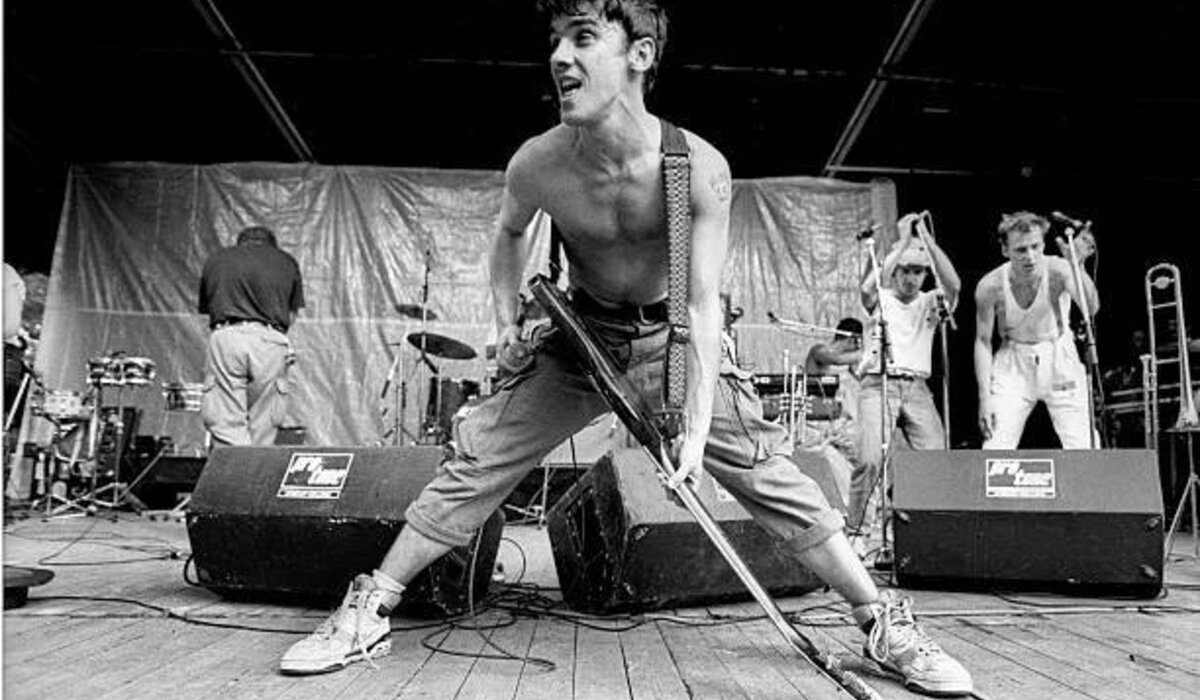
Ska-P later covered the song on the tribute album Mano Negra Illegal. Manu Chao kept singing it on the La Ventura tour after the band ended. The track also turned up in Fernando León de Aranoa’s film Escobar (2017). Those afterlives confirm how tightly the song stuck to Latin American political talk; they do not replace the 1994 Virgin recording. Patchanka’s mix of punk, salsa and dub is audible in the guitar accents and the spoken asides; Señor Matanza is the political centre of an album already sounding like Chao’s next solo chapter.
Play the Casa Babylon album cut. It is the last major Mano Negra studio statement: Chao already mixing alone in a way that points to his solo records, while the band name still covers a multinational street orchestra that had just burned itself out on the road.

Lina | 10 October 2026
|
Kinda basic of me but Senor Matanza is still top 5 Mano Negra for me.
Mateo | 11 October 2026
|
Read this, then put Senor Matanza on loud. That was the move. More of this please.
Inés | 11 October 2026
|
Radio killed Senor Matanza for me for years. Came back last month. Instant regret for waiting.
Anne | 12 October 2026
|
My dad played Mano Negra in the car. Senor Matanza is basically my childhood commute.
Jacques | 13 October 2026
|
The production notes here made me replay Senor Matanza twice. Nice catch. Might be recency bias but I do not care today.
Tom Riff | 14 October 2026
|
I always skip to Senor Matanza on the album. Guilty.
Mike B. | 14 October 2026
|
Solid chronicle. I forgot how sharp Mano Negra sounded on this one. I am biased and fine with it.
Kofi | 15 October 2026
|
Read this, then put Senor Matanza on loud. That was the move.
Théo | 16 October 2026
|
My dad played Mano Negra in the car. Senor Matanza is basically my childhood commute. Sharing this in the group chat. Expect chaos. More of this please.