
Beltone Studios, 1957: piano trio cut that waited thirty years for the charts
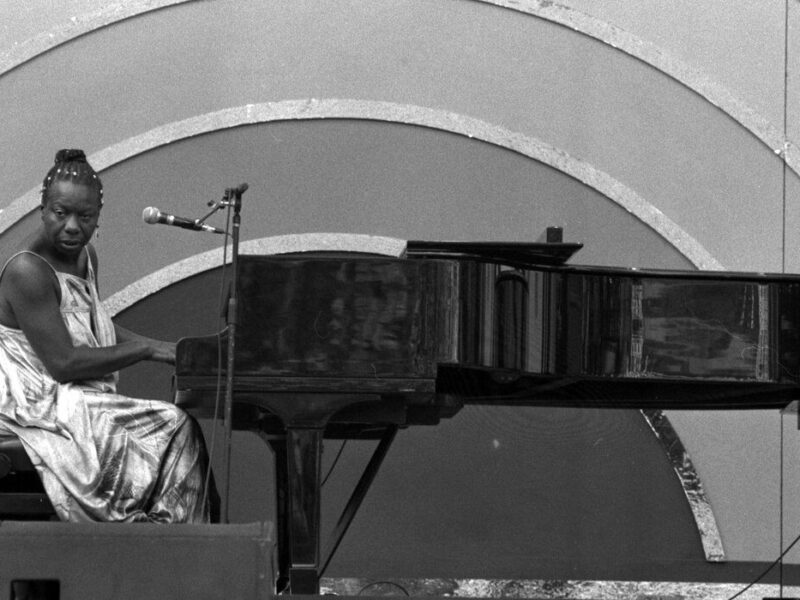
In December 1957, at Beltone Studios in New York City, Nina Simone sat at the piano with Jimmy Bond on double bass and Albert “Tootie” Heath on drums and recorded My Baby Just Cares for Me for Bethlehem Records. The song was already a standard: Walter Donaldson and Gus Kahn wrote it for the 1930 film Whoopee!, where Eddie Cantor made it famous. Simone was twenty-four, classically trained, and producing her own debut session. The take closes her first album, Little Girl Blue, issued in February 1959 (also pressed as Jazz as Played in an Exclusive Side Street Club).
What you hear first is the piano: a bright, walking left hand and a right hand that keeps the melody clear while leaving room for small classical turns. Simone sings close to the mic, almost conversational, then opens into the chorus without forcing volume. Bond and Heath stay light. There is no big band, no string pad, no later remix on this original cut. It is a three-piece nightclub arrangement that ends an album otherwise known for I Loves You, Porgy.
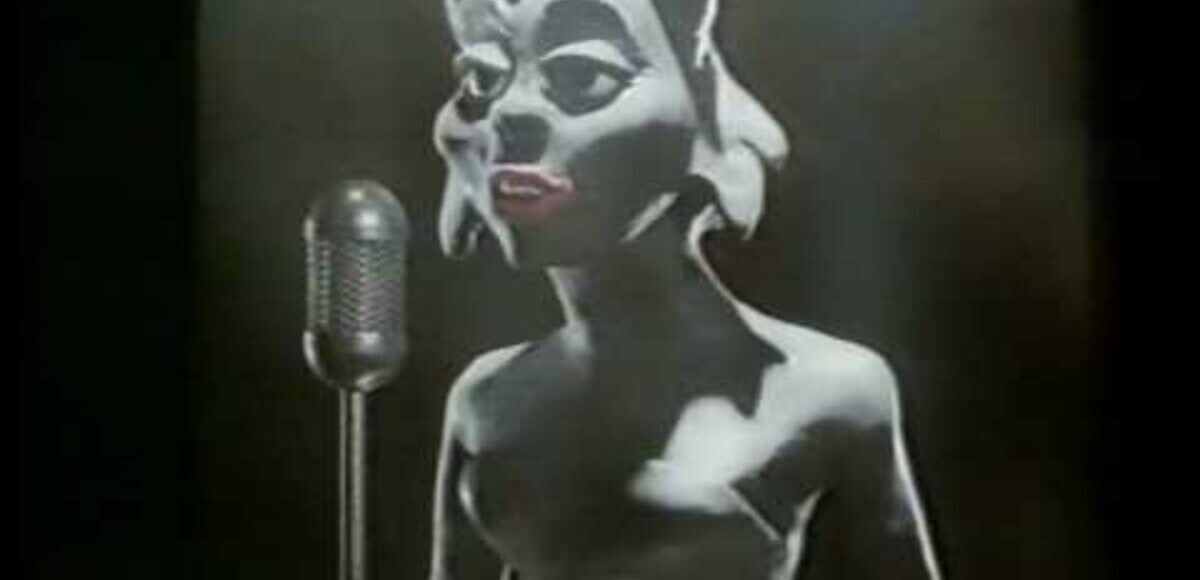
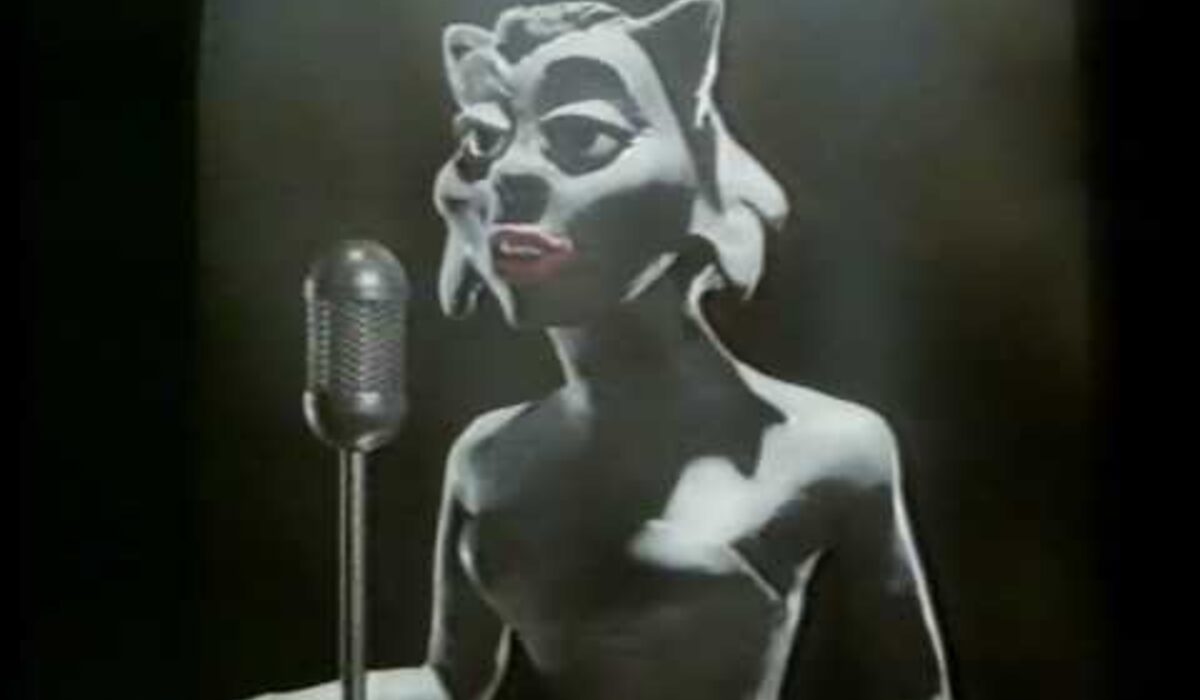
For nearly three decades the track lived as a deep album closer. In 1987 a UK Chanel No. 5 television advert used Simone’s recording. Charly Records reissued the song as a single; it entered the UK Singles Chart on 31 October 1987 and peaked at number 5. It also reached number 1 on the Dutch Top 40. Aardman Animations made a claymation video directed by Peter Lord: a nightclub, two cats, live-action inserts of piano, brushes, and bass. MTV and European TV put the clip in rotation. Simone had sold her Bethlehem rights years earlier for a flat fee reported around $3,000; the sudden hit reopened royalty fights she pursued into the early 1990s.
I never wanted to sing that song; it was made at the very beginning of my career, and it’s not representative of me.
(Nina Simone, interview, 1990)
On stage in later years she sometimes returned to the song on her own terms, after the perfume campaign had done its work. The recording that matters for the catalog remains the 1957 Beltone take: piano, bass, drums, and a Donaldson–Kahn lyric delivered without ornament for radio.
Thirty years in the vault, then five weeks near the top of the British chart. That is the arc of this single cut from Little Girl Blue.