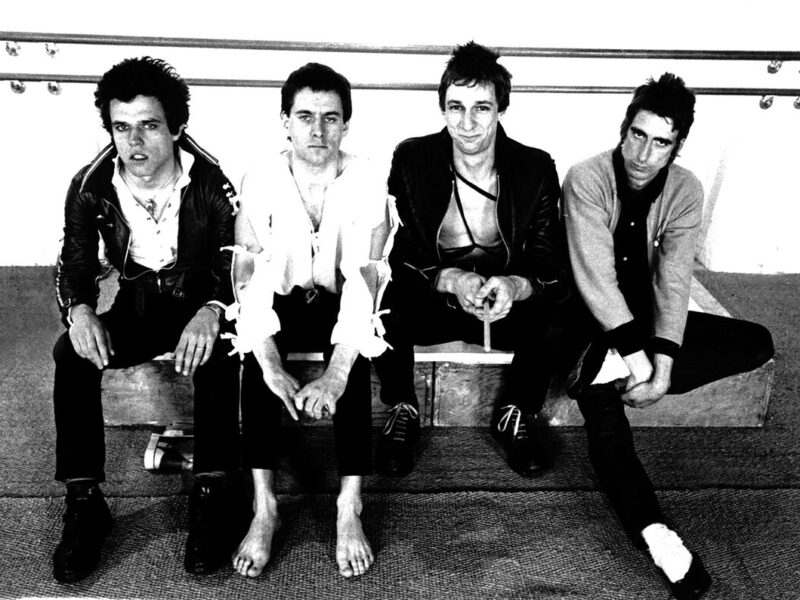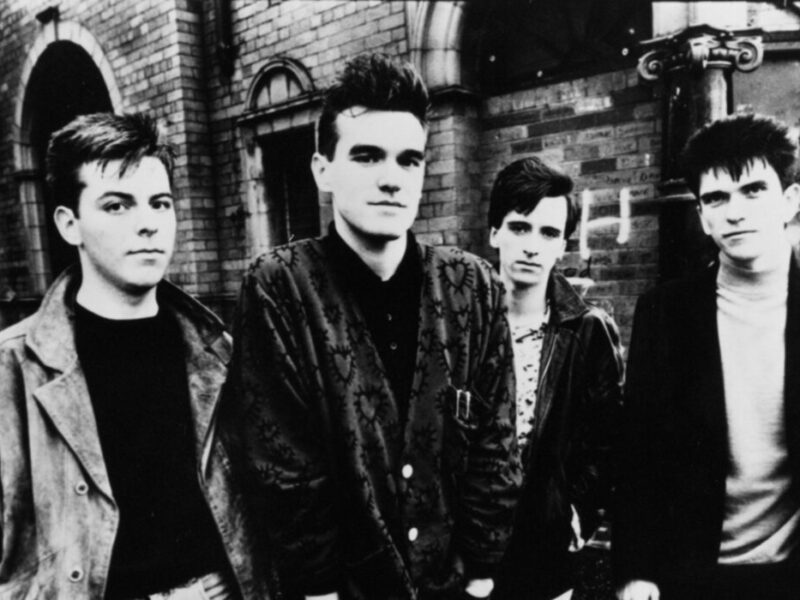
Manchester, 1987: one delayed breakup, twelve new songs and a final tour
In August 1987, Johnny Marr reads the newspaper report announcing that he has left The Smiths and decides not to let a headline make the decision for him. He calls Andy Rourke first, then Mike Joyce. Morrissey receives a shorter message: one meeting, no managers, no journalists. Two days later the four men sit in a quiet room above a Manchester rehearsal space and agree to finish one more record.
Everything before that meeting has happened as remembered. Strangeways, Here We Come is complete. Marr is exhausted by work and management disputes, while Morrissey has considered bringing another guitarist into the group. The difference is a single condition from Marr. They will take six weeks apart, then work from noon to six, five days a week, with nobody allowed to book interviews during the sessions.
Rough Trade welcomes the truce with the caution of a shopkeeper handling cracked glass. Geoff Travis secures time at Wool Hall in Somerset for October. Stephen Street returns as producer and unofficial referee. A handwritten rule is taped to the control-room door: complaints about sleeves, singles and side projects wait until Friday.
Marr arrives with eight instrumentals recorded at home. They are leaner than the arrangements on Strangeways, built around twelve-string guitar, organ and a bass pulse he has asked Rourke to make unusually simple. Morrissey brings a school notebook filled with titles. The first song completed is November Hotel, a brisk account of two people avoiding each other in adjoining rooms.
The old chemistry returns before friendship does. Joyce pushes Borrowed Coat faster than Marr intended, and the song suddenly has a chorus. Rourke turns The Last English Sunday from a slow ballad into a restless three-minute single. Morrissey watches through the glass, changes one verse and admits that the bass has rescued it.
Arguments continue, but they now have closing times. At six o’clock Street saves the tapes and turns off the desk. Morrissey leaves in a hired car. Marr, Rourke and Joyce find a pub, discuss the day’s work and avoid discussing the singer. The routine is not warm, yet it produces songs.
In December the band records strings for Children of the Bypass. Marr wants a small quartet. Morrissey asks for an arrangement large enough to alarm the label. They settle on eight players and record them in two groups, one precise and one deliberately rough. The result sounds expensive for eleven seconds, then the guitars return.
The album is titled The Last English Sunday. Its cover uses a still from a forgotten 1960s television drama, selected after three days of dispute. The track list contains twelve songs and runs for forty-one minutes. Rough Trade announces an April 1988 release before anyone can reconsider.
The first single, Borrowed Coat, reaches the British top ten. Radio presenters hear a farewell in every line, although the band refuses to confirm that the album is final. The B-side, Work Is a Four-Letter Word Again, is Marr’s joke after the earlier cover-song quarrel. Morrissey dislikes the title and likes the attention.
Reviews are sharper than expected. Some critics call the record a controlled retreat, but most notice the rhythm section. Rourke and Joyce are no longer supporting characters beneath guitar and voice. On Southbound Platform, the bass carries the melody while Marr plays clipped chords. On No Flowers at Reception, Joyce drives the band through three abrupt key changes.
The tour begins at Dundee in May. Marr insists on two days off after every three concerts. Morrissey agrees, then adds an extra London date without asking. The first serious argument arrives before the band reaches Birmingham, but this time Rourke takes the booking sheet, tears out the added page and places it in Morrissey’s tea.
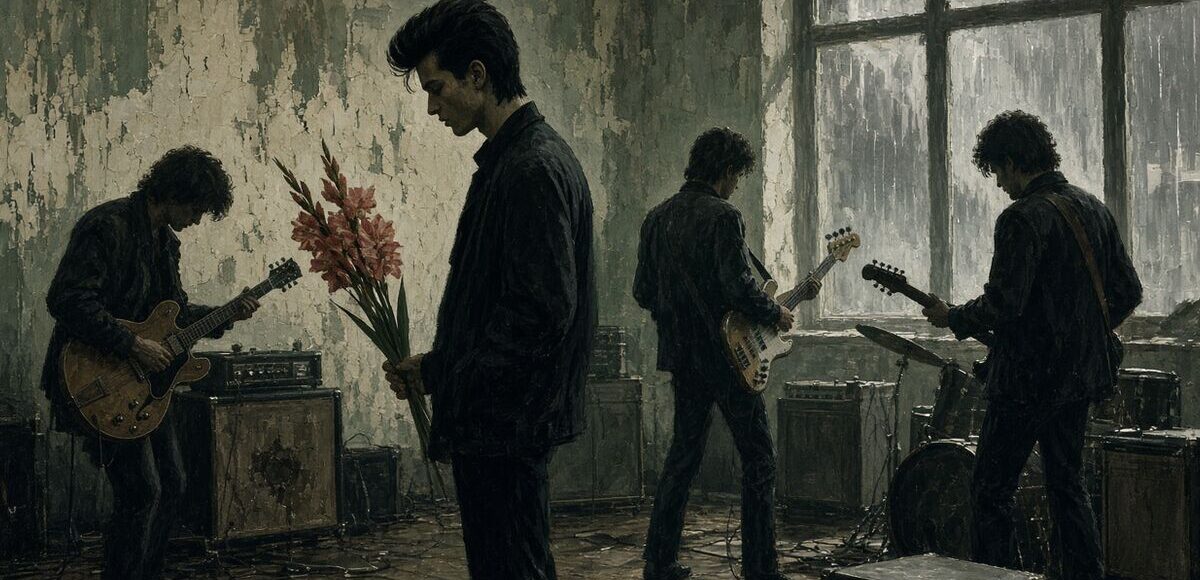
Onstage, the new songs work. There Is a Light That Never Goes Out remains the emotional center, yet The Last English Sunday gives the set a harder ending. During the final chord, Marr lets the guitar feed back for twenty seconds. Morrissey waits beside the microphone with flowers at his feet and does not leave early.
American college radio turns the album into their biggest release there. Sire pushes for a long tour, which the band refuses. They play twelve dates in the United States instead, including two nights in Los Angeles. Backstage visitors include musicians who will soon form bands and spend the next decade being compared with The Smiths.
The fifth album delays several futures. Morrissey’s solo debut does not appear in 1988. Marr does not join The The that year, though he begins exchanging tapes with Matt Johnson. Rourke and Joyce receive proper advances for the tour, reducing the resentment that had been growing around money and status.
By autumn, Marr has new songs, but he no longer wants to offer all of them to the same machine. He proposes a year without The Smiths. Morrissey hears the word pause as an insult and begins recording with Stephen Street. The press prepares another breakup story, only to discover that the group has already issued a statement written by all four members.
The statement says they will not record in 1989. It does not promise a return. Fans study the wording as if it were a legal document from a missing country. Rough Trade releases the live EP Five Nights in May, compiled from Manchester and Glasgow, and it reaches number one on the independent chart.
Morrissey’s Viva Hate arrives a year late and in altered form. Three songs have disappeared because their melodies became Smiths tracks. Marr plays on none of it, which makes the separation clear without making it theatrical. His work with The The and later Electronic develops beside, rather than immediately after, his old band.
In 1990 the four meet for rehearsals, but only for a weekend. They play six old songs and one unfinished Marr instrumental. Morrissey cannot find words he likes. Nobody announces a reunion, and nobody throws a glass. They leave with a cassette labelled MAYBE in Street’s handwriting.
That cassette becomes famous without being heard. Bootleggers invent track lists. Magazines report secret sessions whenever Marr and Morrissey enter the same city. The fifth album, once described as the start of a long career, is now talked about as the last one.
The legal battles of the 1990s are smaller in this history. Rourke and Joyce have better contracts from the 1988 campaign, though arguments over earlier royalties remain. Joyce still seeks a larger share and the case still damages old relationships.
In 1997, on the tenth anniversary of the false newspaper breakup, Rough Trade reissues The Last English Sunday. The band contributes no joint interview. Marr approves remastered tapes, Morrissey rejects two proposed photographs, Rourke writes a short note and Joyce supplies a backstage picture in which everyone looks tired but present.
For nine months, four people who could barely share a room worked under rules that kept them inside it. They made twelve songs, completed the tour and stopped once that music had been finished.