




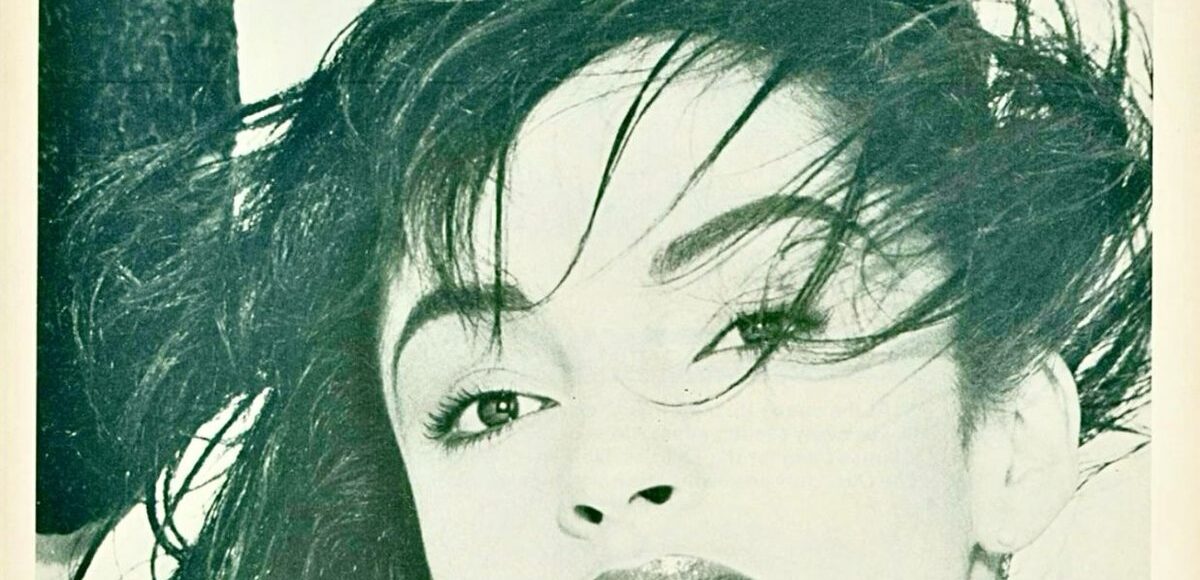
Diamond Life single, 1984: Denman bass, Matthewman sax
On Sade’s 1984 debut Diamond Life (Epic), Smooth Operator keeps Paul Denman’s bass low. Andrew Hale’s keys stay dry. Stuart Matthewman’s saxophone draws a calm line across the mix. Sade Adu sings as if she is stating a case. The single was one of the tracks that took the album onto UK and US radio. UK radio and US radio both took the cool tone. Neither needed a louder remake. The band’s London/Latin/soul mix stays measured on purpose.
Adu has said she writes characters: the smooth operator is not her, but a man she was watching, and the glamour is his costume. That distance keeps the lyric from reading as a personal confession. The arrangement follows the same watch. The bass waits. The sax stays controlled. The drums do not hurry. Quiet storm and adult-contemporary radio heard a polished single; the band heard a character sketch on a beat you can dance to.
The bass and the keys come in first. Then the sax line opens space for the vocal. Adu’s delivery stays close and clear. Matthewman’s sax answers without turning into a long solo. The mix leaves air so every part remains readable on daytime radio and late playlists alike.
Decades of soft-soul retrospectives and film cues kept Smooth Operator near the front of Sade song lists. After a quieter playlist, the contrast is control, not volume. Denman stays low. Matthewman stays calm. Adu watches a character walk through the room. This measured recording is still the hit on Diamond Life.
I write characters. The smooth operator is not me. He is a man I was watching, and the glamour is his.
(Sade Adu, on the song)

Live and on record the song still does the 1984 job. It holds a room with restraint. The sax draws one clear line. It does not oversell the glamour the lyric describes. Cover versions that soften the vocal often miss that distance.
It is a character study, an Epic single, with the band locked low and dry. Play Smooth Operator for the bass entrance. Adu barely raises her voice to finish the sketch.
Chart weeks, reissues and later playlist circulation kept the cut in use. The arrangement still explains the hit. It did not need a softer remake.
The players, the studio and the single’s radio job are the clearest reasons to play it again. After a quieter set, the original tape still sounds more controlled.
The plain detail is who played, when the record came out, how radio carried it, and how the riff or the vocal opens the track. Those four points are why the single is still easy to find.
Later covers and tribute nights often smooth the edges. The original take keeps the blunt timing and the room noise that first sold the record.

Théo | 11 October 2026
|
Kinda basic of me but Smooth Operator is still top 5 Sade for me.
Kofi | 12 October 2026
|
My dad played Sade in the car. Smooth Operator is basically my childhood commute. Might be recency bias but I do not care today. Just saying.
Sara | 12 October 2026
|
I came for Sade, stayed for how clean this write-up is. Smooth Operator hits different after reading. Also the comments section on old forums was wild about this.
Louise | 13 October 2026
|
First time I heard Smooth Operator was on a burned CD. Still got the scratches in my head. I told my coworker and they shrugged. Their loss.
Rosa | 13 October 2026
|
Radio killed Smooth Operator for me for years. Came back last month. Instant regret for waiting. Sharing this in the group chat. Expect chaos.
Diego | 14 October 2026
|
Short take: the groove on Smooth Operator still feels unfair.
François | 15 October 2026
|
Read this, then put Smooth Operator on loud. That was the move. Sharing this in the group chat. Expect chaos. Replay button abused.
Dan | 16 October 2026
|
ok but who else puts Smooth Operator on at 1am and feels seen?