Martin Ditcham’s loop, then wine glasses on the vocal take
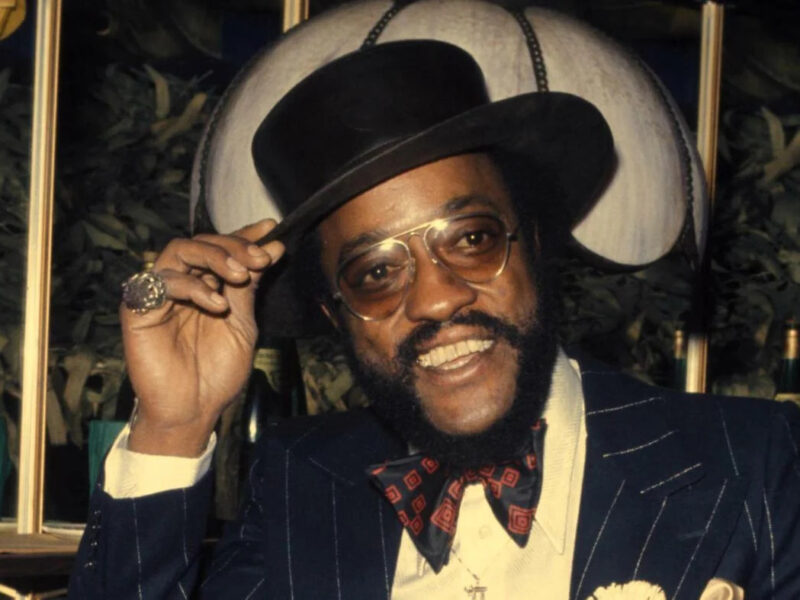
The Sweetest Taboo was the first single from Promise, out on 4 October 1985, a month before the album. Sade Adu wrote the lyric. Martin Ditcham, the percussionist, wrote the music with her. Robin Millar produced it at the Power Plant in north-west London, with Mike Pela engineering. The album version is 4:37. The UK 7-inch is a few seconds shorter, backed with You’re Not the Man.
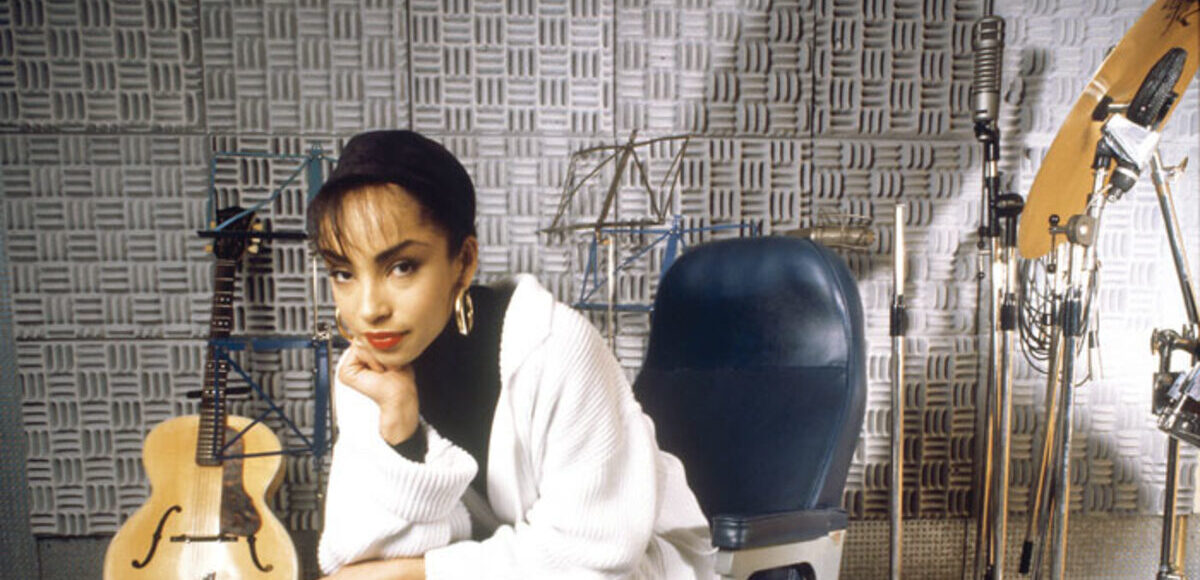
Promise was recorded from February to August 1985, mostly at the Power Plant, with a stretch at Studio Miraval in Provence. Ditcham started Taboo as a drum pattern on a Yamaha RX11 and a chord sequence. Dave Early, the drummer, did not want a machine left in the track, so he played the part live. The kit was stripped: no hi-hat, toms off. Paul Denman played the bass DI’d in the control room, a short line that does not wander. Stuart Matthewman’s acoustic guitar went into an AMS sampler and was triggered from the drums, then nudged so the loop sat on the bar. Adu’s lead vocal, a Neumann U87 in the control room, went down in complete takes. Pela has said it was breathy, and that they did not comp it to death.
The extras are why the record does not sound like a plain quiet-storm ballad. Ditcham and Early sat at cafe tables. Early blew across a bottle. The track sheet called those bottles porky pipes. Ditcham tapped glasses with a fork. They laughed so hard that Pela gated the take. Rain on the intro and the outro came from a sound-effects disc. Thunder was a Roland amp, reverb turned up, dropped a couple of inches so the springs rang. On the chorus, half-spoken lines ran through a vocoder. Brass in the middle eight: Matthewman on tenor, Terry Bailey on trumpet, Pete Beachill on trombone. Brian Ward’s video puts the band in a New York loft and cuts to desert scenes shot in Andalusia. The story continues in the clip for Is It a Crime?.
Then at the end when we were running through it and Sade was singing in the studio, Dave and Martin were just banging along on wine glasses and ashtrays. It picked up on Sade’s mike and we ended up using that take.
(Stuart Matthewman, International Musician, December 1985)
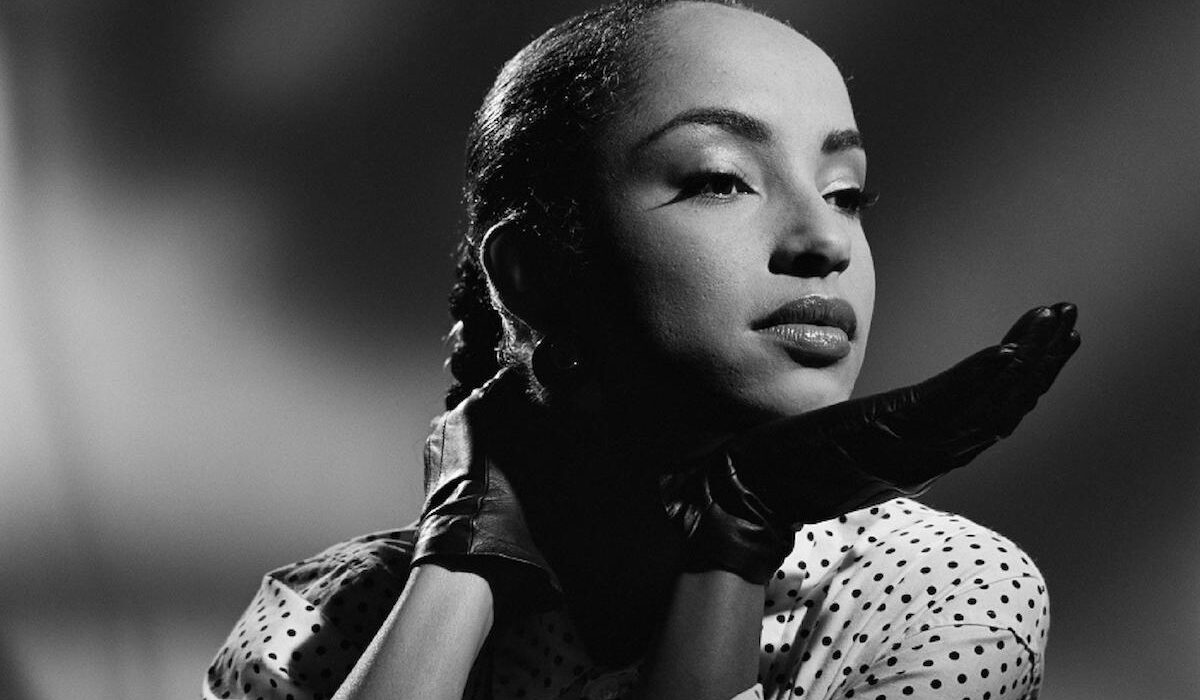
Britain peaked at 31. The United States did the opposite. The Hot 100 reached number 5 in March 1986, with 13 weeks in the top 40 and 22 weeks on the chart in all. It was number 1 on Billboard’s Adult Contemporary chart, the band’s second in a row after Smooth Operator, and number 3 on the R&B chart. Cash Box’s black contemporary list also went to number 1. Canada Adult Contemporary hit 1. Ireland reached 11. The Dutch single chart reached 12. On the 1986 year-end Hot 100 it placed at 55.
The line about a quiet storm names the American late-night radio format that played this kind of record. The band did not stop at a slogan for that format. They built a percussion pile, sampled a guitar, and kept a vocal that does not push. Promise came out on 4 November 1985. The Sweetest Taboo was already the single that told America the second album would not be a copy of Diamond Life.