A fresh idea at Compass Point
The bass arrives already dancing, a line so springy it could carry a lighter lyric, and then Linda Womack sings as if the tears were a fact and the rhythm a decision not to drown in them. Cecil answers, not as a duet partner showing off, as a man in the same weather. Teardrops, from Conscience in 1988, is soul that has learned the drum machine without handing the feeling over. The hook is simple enough to be shouted in a European club and tender enough to survive the shouting. Footsteps. Teardrops. The two words keep changing places.
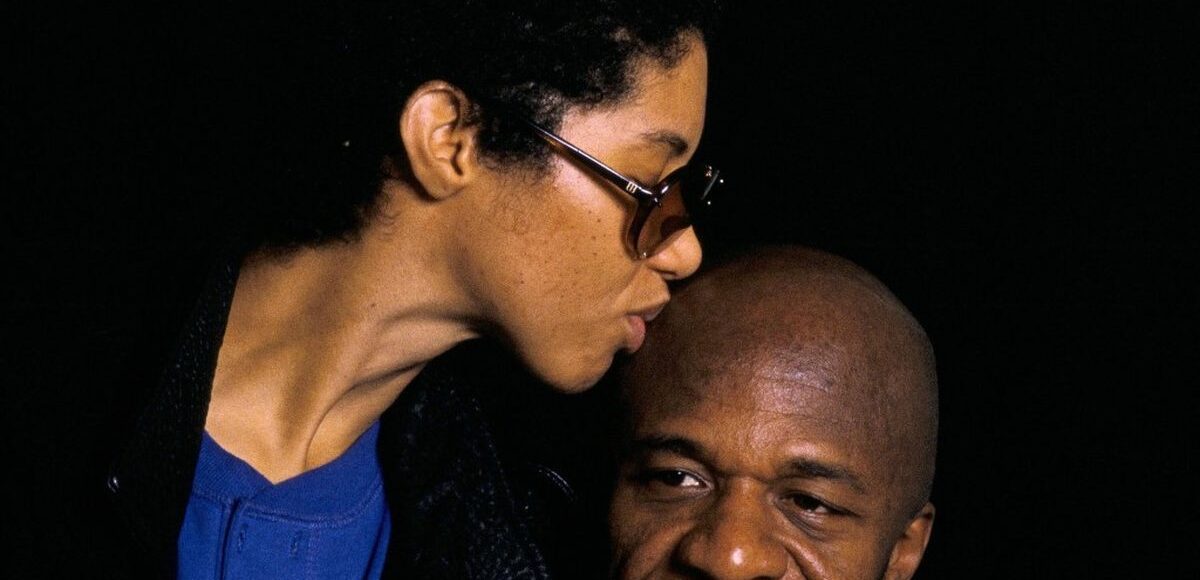
They wrote it together, husband and wife, Linda the daughter of Sam Cooke, Cecil from the Valentinos and the long shadow of Bobby Womack. The album was made at Compass Point in Nassau, Chris Blackwell producing with them, the Mountain Man Band around the songs, Vince McCartney engineering. Blackwell’s Island had a habit of letting American voices sit in a Caribbean room until the rhythm loosened. This track uses that looseness and then tightens the chorus until it cannot be mistaken. The single came out in August 1988 and did almost nothing at home. Britain put it in the top five. Europe sang it in languages that did not need the plot.
Cecil told a reporter that summer that they had been tired of writing to a commercial brief, and had gone looking for fresh, unaffected ideas, the kind they heard from people who were not trying to please a format. Conscience is the document of that turn. Teardrops is the song that proved the turn could also be a hit, which is a different problem. The lyric is a relationship in which one person leaves traces, calls, footsteps, and the other counts them as water. Nothing in the arrangement weeps. The drums are too proud. That pride is the argument: you can name the hurt and still move.
We wanted to come up with some fresh, unaffected ideas. We had been with a couple of record companies and things were so bent on being commercial. We didn’t feel like writing that way.
(Cecil Womack, UPI, 1988)
On dance floors the track became a standard of a certain late-eighties elegance, later sampled and replayed by people who had not seen the sleeve. Live, the Womacks could stretch the call and response until the title was a chant. The studio version is the one that still fits a kitchen and a club, which is rarer than either. Linda’s tone does not beg for pity. It reports the count. Cecil’s harmony is the hand on the shoulder that does not pretend the count is zero.
What remains is that bounce, indecently cheerful under a sad inventory. Teardrops is a record about being left that refuses the tempo of being left. Compass Point, a producer who knew how a room should breathe, and two writers who had decided the industry’s idea of a soul song was too bent. The footsteps keep coming. The song keeps time.