
Woodchip, a fountain, and a deadline
A guitar riff steals the hips of a disco record and then behaves as if it had invented them, bright, cheap, impossible to sit through. Jarvis Cocker sings in the voice of a boy who has already lost, and who is scheduling the reunion anyway. Disco 2000 is a crush turned into a civic appointment. Meet me by the fountain. The year is a dare. The girl has a name that, he insists, never suited her, which is how you talk about someone you have studied too closely to flatter.
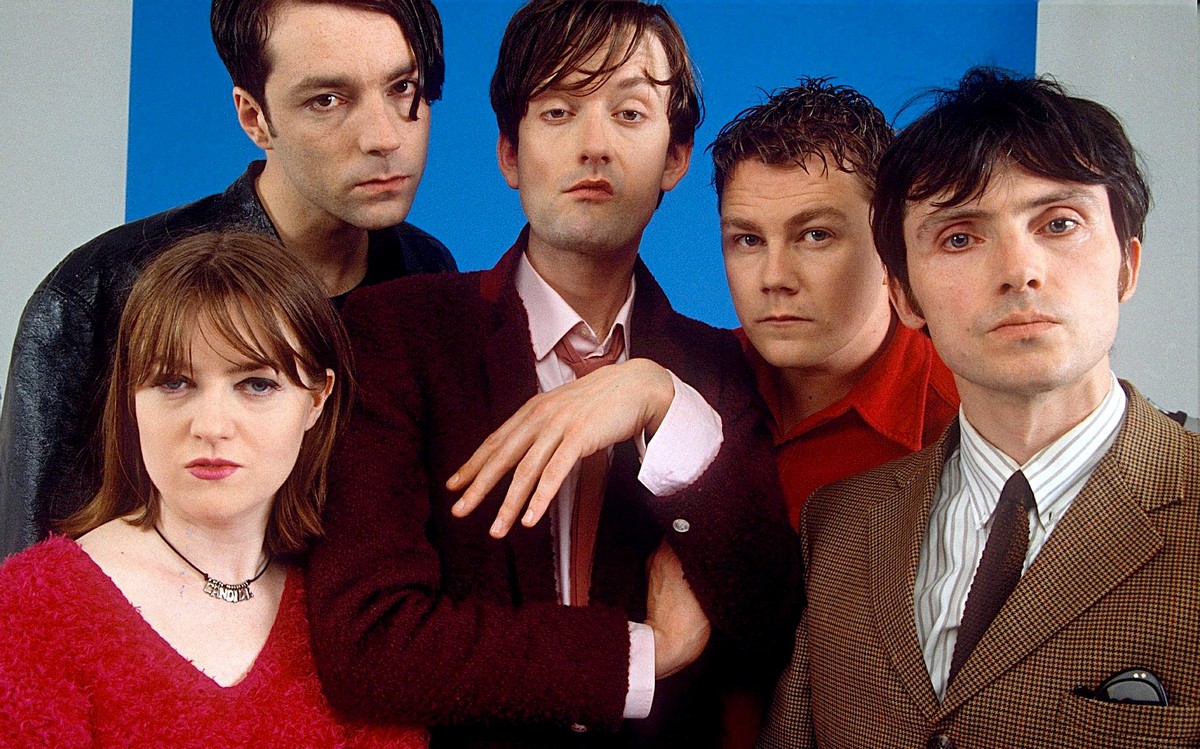
Pulp recorded the song for Different Class, released on 30 October 1995, produced by Chris Thomas at Townhouse Studios in London. Cocker wrote the lyric about Deborah Bone, a girl born in the same Sheffield hospital, a classmate, later a friend. He has said most of it is true and that he compressed the hours between their births so the line would sing, and that the woodchip wallpaper is the part he invented. The riff nods at Gloria, the Laura Branigan hit that itself came from Umberto Tozzi, a borrowed sparkle for a very local story. The single followed in November. Britain, busy declaring a new pop class, danced to a memory of a council-house hallway.
On stage Cocker turned the appointment into theatre: the pointed finger, the aside, the crowd singing a year that, when it arrived, did not keep the promise. He sang the song at Bone’s fiftieth birthday. She died in 2015. The fountain in Sheffield is gone. The recording does not know that yet. It is stuck, usefully, in the arrogance of a plan made by someone too young to know that plans are mostly manners.
The only bit that isn’t true is the woodchip wallpaper.
(Jarvis Cocker, BBC 6 Music, 2002)
The song’s cheerfulness is a costume on top of a precise humiliation: she became the girl everyone wanted, and he became the boy outside the house. Cocker’s gift is to make that ordinary pain sound like a night out. Thomas’s production keeps the guitars glossy and the vocal conversational, so you hear the joke and the wound in the same bar. It is why the track can fill a wedding and still feel like a diary. Pop rarely admits it is gossip. This one files the gossip under a dance step.
What remains is the kindness of the deadline. By naming a year, the song gave two people a place to fail to meet, which is a kind of myth you can live inside without damage. Bone, who worked in youth mental health, got to hear herself become a chorus. The rest of us got a riff that still starts a room. Disco 2000 is now a period piece about a future that happened. The crush did not expire when the calendar did.