




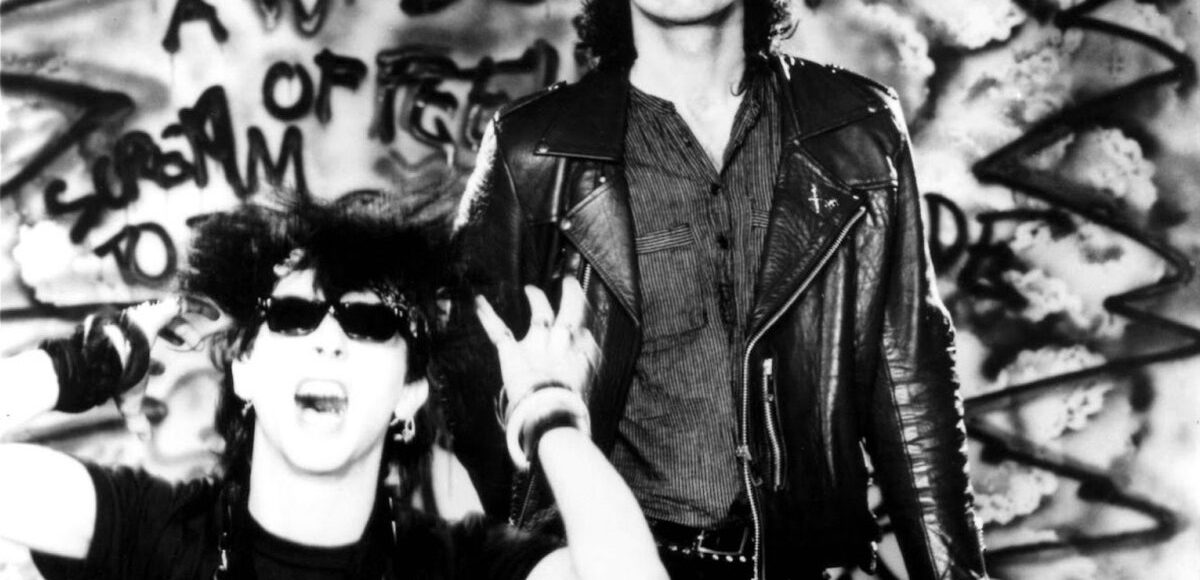
Non-Stop Erotic Cabaret 1981: Gloria Jones into synth-pop
Tainted Love was written by Ed Cobb and first released in 1964 by Gloria Jones as a B-side that northern soul DJs, Richard Searling among them, later turned into a secret. Soft Cell’s Marc Almond and Dave Ball, art students in Leeds, wanted an encore that was not theirs; Ball, who loved that circuit, played Jones’s record to Almond. They recorded their version with Mike Thorne at Advision in London for the 1981 Some Bizzare/Phonogram album Non-Stop Erotic Cabaret. The label heard the demo and asked for bass, guitar, drums, something less odd. They put it out anyway. It became Britain’s biggest single of the year, No. 1 at home, and stayed on the American chart for most of a year after crossing the Atlantic.
A drum machine snaps; a synth bass ducks under it; Almond’s voice arrives already too much, pleading and showing off in the same breath. The twelve-inch does not end: it moves straight into “Where Did Our Love Go.” Almond has described the result as cold electronics carrying a vocal that is over-passionate, over-exuberant, slightly out of key. That is the whole method. Jones later said she loved the emotion in his voice and that Soft Cell’s version was better than hers. He has also admitted resenting the song for a while, because Soft Cell were more than one cover, which is true, though radio had already settled the point for programmers and dancers alike.
On television Almond in eyeliner and Ball behind a keyboard looked like a joke the charts were not ready to tell, and then the charts told it every hour. In clubs the twelve-inch was the point: DJs could live inside the segue, two songs about love gone wrong stitched into one long exit. The original is a soul record about spoiled affection; the cover is a bright synth track with the same complaint sung by a man who sounds ready to cry or laugh. Take the riff or the character vocal away and the record gets thinner; together they stay a little rough, which suited early-1980s synth-pop that still wanted a hook.
Forty years on, samples, wedding shout-alongs and people who have never heard Gloria Jones keep the Soft Cell record in circulation. Cobb’s song was already about love that stains; Soft Cell sang it over a bright synth. Almond’s debt to Jones, and to Marc Bolan’s circle through her later northern-soul years, sits in the performance, not in a speech. He sings as if the feeling were larger than the notes, and the notes, chilly and precise, refuse to swell with him. That gap, cold backing against a vocal that pushes, is the record, and it still works when a drum machine snaps in a shop or a club.
A mixture of cold electronics with an over-passionate, over-exuberant, slightly out of key vocal.
(Marc Almond, 1000 UK Number One Hits)
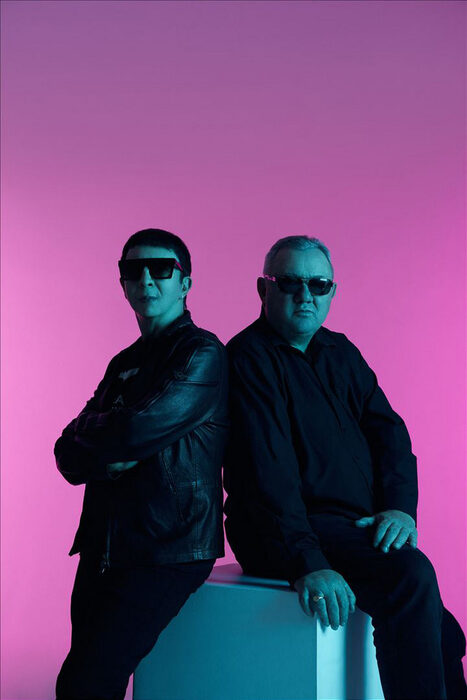
Tainted Love did not invent synth-pop covers. It put a northern-soul B-side on 1981 daytime radio with a drum machine and a vocal that refused cool. The UK No. 1 is what the chart recorded. The twelve-inch segue is what clubs kept. DJs still trust it.
Press play for the snap and the first plea. Gloria Jones carried the secret first. Soft Cell kept the bright synth and left the vocal contrast intact.




Anne | 13 October 2026
|
Not my usual lane but Tainted Love got me. Fair enough. Replay button abused.
Léa | 14 October 2026
|
I argued with my brother about Tainted Love for years. This is my exhibit A.
Olivier | 14 October 2026
|
People sleep on how weird Tainted Love actually is. This article gets it. I told my coworker and they shrugged. Their loss.
Yuki | 15 October 2026
|
I show Tainted Love to friends who say they hate that era. Works every time.
Fatima | 16 October 2026
|
Not my usual lane but Tainted Love got me. Fair enough. Sharing this in the group chat. Expect chaos. Ok bye.