
A question left open on purpose
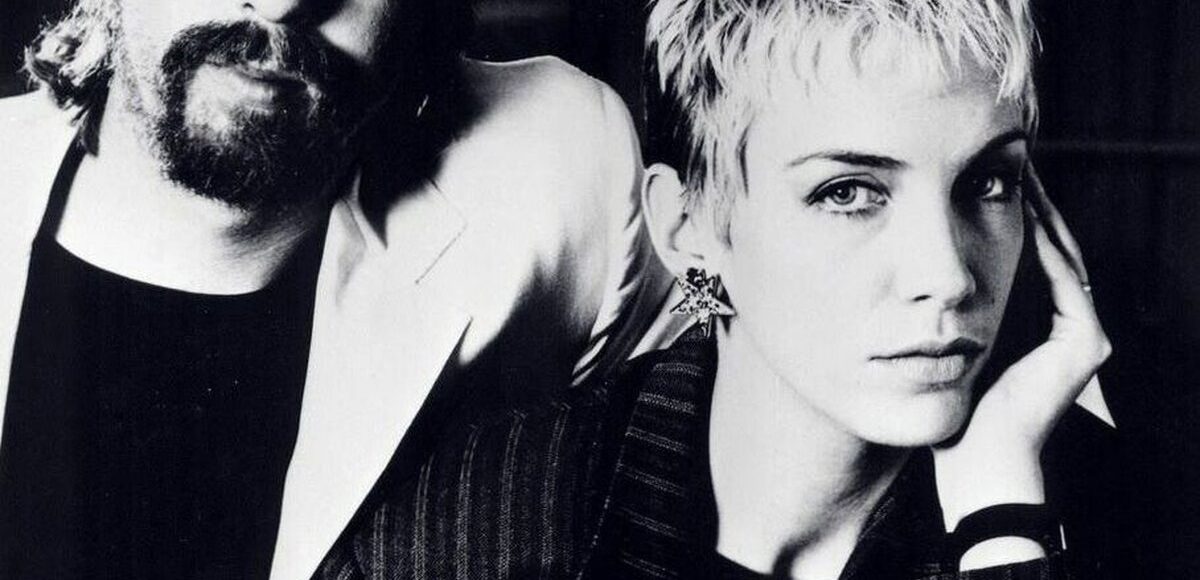
A piano states a small, adult figure, no drum yet, and Annie Lennox’s voice enters as if she had been sitting with the same sentence all night and had finally decided to say it aloud.
Why opens Diva, her first solo album after the Eurythmics pause, written by Lennox, produced by Stephen Lipson, recorded at Mayfair Studios in London and released in 1992. The single reached No. 5 in Britain. Sophie Muller directed the video, Lennox in a series of faces, wigs, a mouth that will not settle into one mask. The lyric is the end of a love and the refusal to tidy the ending into a moral. She asks why, and the song does not answer, which is the composition. Lipson’s production is glossy and close, a 1992 sheen around a piano ballad that could have been written in a quieter decade. The voice, which with Dave Stewart had often been a character, is here simply a person. That was the point of going alone.
She has described the song as the question she needed in order to begin again. There is no clever twist in the title. Why is the whole inquiry, repeated until it becomes a melody. On stage she has sung it seated, or standing very still, the opposite of the Eurythmics videos that danced their pain. The stillness suits the lyric. A drum pattern does arrive, polite, and the chorus lifts without becoming a shout. She is not accusing a crowd. She is asking one person, and the record lets us overhear. Diva is full of stronger colours later. This is the door, and it is grey, and precise, and unforgettable for that.
Why is a question that does not answer itself. I sat at the piano and the question was the song.
(Annie Lennox, interview, 1992)
The track has been used at weddings and at funerals, which would amuse and irritate her in equal measure, because it is neither a vow nor a eulogy. It is a stuck place. People in stuck places recognise the piano. Muller’s film, with its changes of costume, is about identity after a duo, a woman trying on selves. The recording is simpler than the film. One voice, one question, a band that knows not to crowd her. Lipson, who had made records loud, makes this one intimate, the vocal almost in the listener’s chair.
What remains is the unanswered bar. Pop usually pays you off with a resolution, a key change that means forgiveness or revenge. Why withholds both. Lennox, who can sing anything, chooses not to decorate the question into a solution. The piano figure returns at the end as it began, a little older, no wiser. That is a brave shape for a first solo single, and it told the truth about the record that followed. She was not joining another group. She was asking, in public, what had happened, and letting the silence after the last chord be part of the answer.