
A riff from a guitar lesson, and sixteen refusals
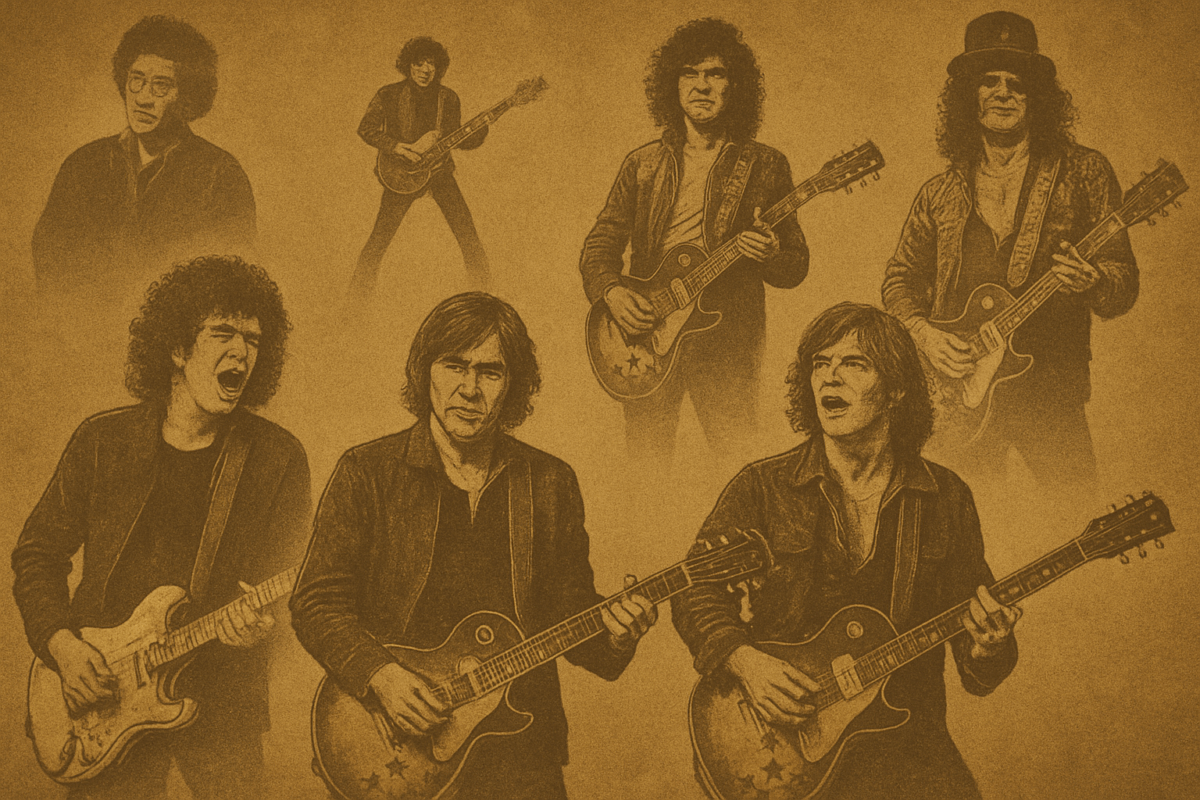
The beat bounces before the anger does. Brad Wilk plays it almost bright, Tim Commerford’s bass a spring under the snare, and for a few bars you could mistake the room for a party. Then Tom Morello’s guitar, dropped to D, falls in with the figure he found while showing a student how the tuning works. He stopped the lesson, taped the riff, and brought it to rehearsal. Zack de la Rocha does not decorate it. He states a charge, some of those that work forces are the same that burn crosses, and lets the band hit the wall between the lines. Killing in the Name is an argument with a dance in it, which is why the dance makes people furious rather than merely loud.
They wrote it before they had played a gig. An early tape from Cal State Northridge opens on the instrumental, Commerford’s bounce already there, the words not yet. De la Rocha laced them on after, in the heat of Los Angeles in the season of Rodney King. Producer Garth Richardson, who had watched that season in the city, set the studio up like a show, concert PA, the band recorded as if the pit were in the room. The self-titled album, out in November 1992, left this lyric off the sheet: two lines, sixteen fuck-yous, one motherfucker. Morello has said they wanted that one to stand by itself amid the longer poems. Their A&R man, Michael Goldstone, heard a single if they would cut the stop-start, the dunna-dunt lifted in part from Led Zeppelin. They kept the hitch. History, Morello likes to note, sided with the hitch.
In Britain the curse words found a radio willing to flinch and play it anyway. In America the edit sanded the point and the song charted nowhere that mattered. Live, the last chorus is a vote. Morello has said that if you looked up apeshit you would need a photograph of a Rage crowd at that moment, lights on the room, the refusal passed from the stage to the floor. In 2009 a Facebook campaign parked the track at Christmas number one in the UK, a prank with a thesis, aimed at the winner of a television contest. The band joined late and called it one of the great surprises of their lives. The riff did not need the joke. The joke needed the riff.
Fuck you, I won’t do what you tell me is a universal sentiment. While it’s a simple lyric, I think it’s one of Zack’s most brilliant.
(Tom Morello, Rolling Stone, 2020)
The politics are not a costume. De la Rocha’s line about forces and crosses is specific, institutional, not a general teenage no. Morello has tied the final refusal to Frederick Douglass: freedom beginning at the moment you are told yes and you say no. That is a large citation for a lyric that is, on paper, almost nothing. The almost-nothing is the method. You can chant it without the seminar. The seminar is waiting if you want it, in the first verse, where the Klan and the badge are put in the same sentence and left there.
What remains is the lesson that got interrupted. Killing in the Name still sounds like a riff too good to finish teaching, and a sentence too plain to soften. The party beat never apologizes for what it is carrying. Turn the lights on the crowd, and the song is no longer a recording. It is a count.