
Moroder Moog that rewired the floor
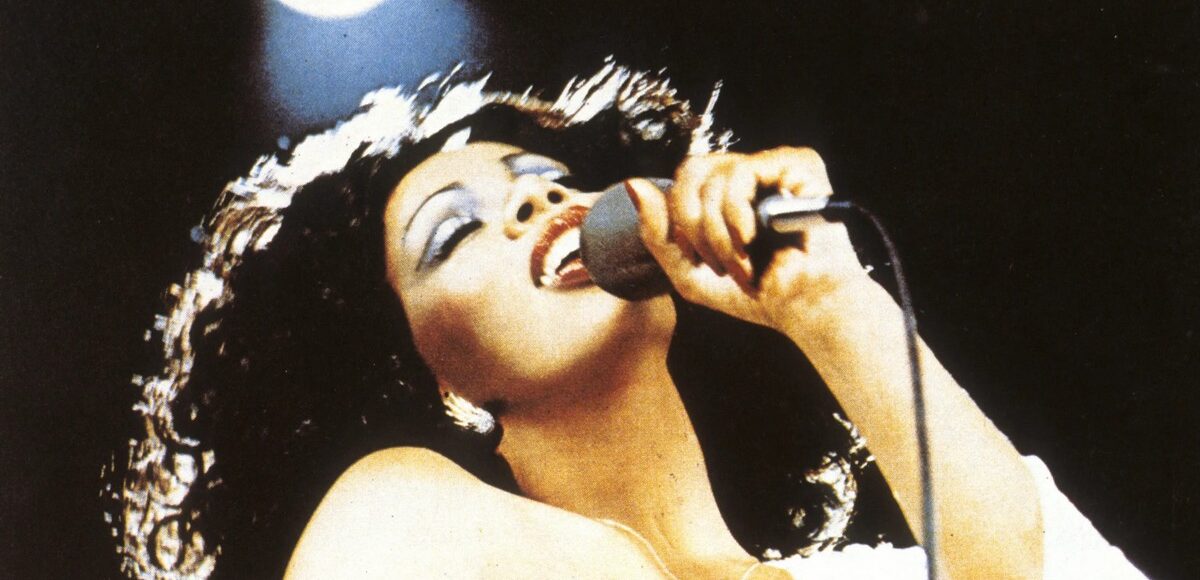
I Feel Love is built on a Moog modular sequence that never really climaxes: it loops, thickens, and holds. Giorgio Moroder and Pete Bellotte programmed the backing in Munich; Donna Summer sings above it with tight, almost detached phrases. Her voice does not tell a long story. It stays in the present tense of the title. The bassline is synthetic yet warm; the hi-hats tick like a machine that somehow swings. Released in 1977 on Casablanca, the single sat inside Studio 54 fever but was not a New York soul session. It was European electronics under an American disco star.
Summer had already shocked radio with Love to Love You Baby, the extended moan-and-groove hit. Church-choir control kept that record from collapsing into parody. On I Feel Love she goes cooler and more metronomic, which makes the seduction sharper. Boston-born, she had toured in Hair before the Munich partnership with Moroder and Bellotte. While U.S. dancefloors still leaned on orchestral disco and R&B rhythm sections, this track bet on sequencers. Brian Eno famously told David Bowie it sounded like the future of club music for the next fifteen years. The forecast was short; the influence ran longer.
DJs treated it as a tool as much as a song: endless mixes, later reissues, samples across house and techno. Kraftwerk’s chill and Chicago’s sweat both sit downstream of that pulse. There is no gospel shout at the end, no brass climax. Just Summer’s restrained vocal locked to circuitry. That restraint is why the record still works in 21st-century sets. It forecasts house and trance without needing those labels. Queen of Disco or not, Summer walked into electronic dance music’s future on this one single, recorded in Munich, shipped worldwide, and never retired from the booth.
I’ve heard the sound of the future… This single is going to change the sounds of club music for the next fifteen years.
(Brian Eno To David Bowie, 1977)
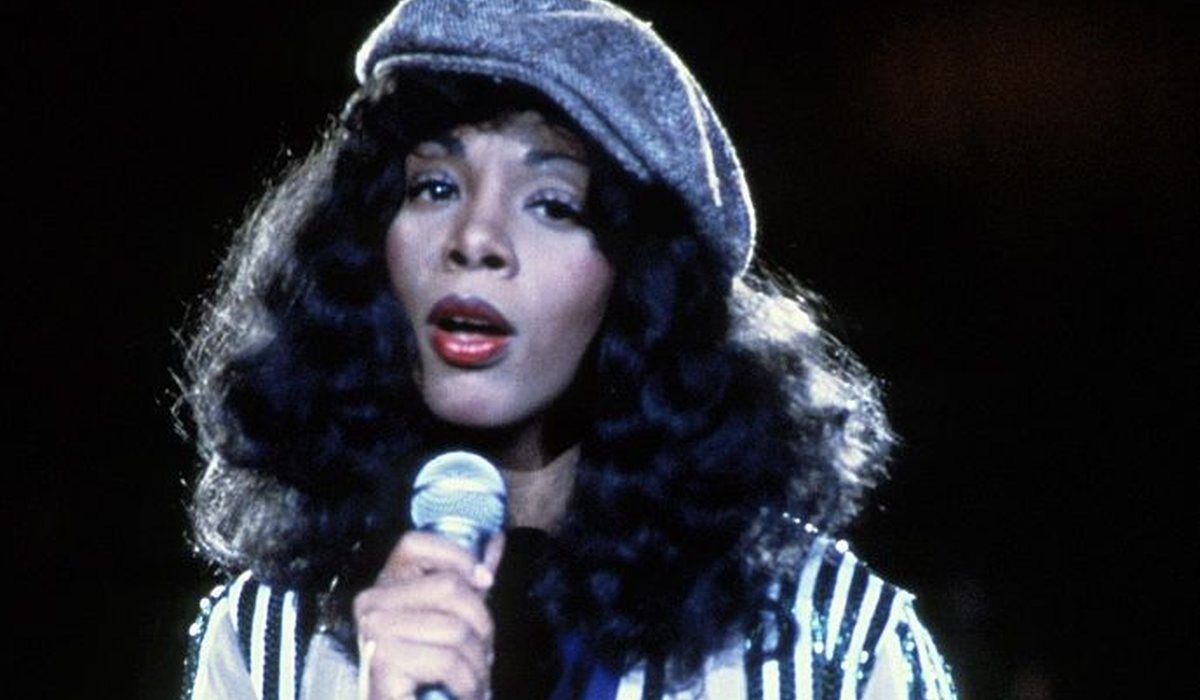
When the needle drops, there is little narrative to follow, only desire as repetition. Club culture kept the track in rotation through remixes and edits; pop historians keep pointing at the Moog bass as a before-and-after line. Summer did not produce the sequence, but she knew how to inhabit it without oversinging. That partnership (her phrasing, their programming) is the concrete fact behind the myth.
I Feel Love remains a teaching track for producers: how few chords you need if the groove and the vocal placement are right. Disco glitter around it faded. The loop did not. That is the legacy you can still cue at peak hour.