
Munich, Moroder, and a voice that outran the stereotype
LaDonna Adrian Gaines left Boston for Germany, married actor Helmut Sommer, and kept the stage name that stuck: Donna Summer. In Munich she met producers Giorgio Moroder and Pete Bellotte. The early Oasis and Casablanca singles already treated the dancefloor as a place for drama, not only for steps. Gospel training from church choirs sat beside European studio precision. That combination would define everything that followed.
Love to Love You Baby (1975) made her a name on both sides of the Atlantic with a seventeen-minute title track DJs treated as architecture. Casablanca pushed the image hard; Summer pushed back for songwriting credit and album concepts. Once Upon a Time (1977) was a double-album fairy tale in disco clothing. The label wanted a queen of the clubs. She wanted chapters she could stand behind.
“I Feel Love” (1977) was built on a Moog bassline that does not tire. Moroder’s sequencing and Summer’s controlled vocal made electronic disco feel inevitable rather than novelty. Clubs played the 12-inch until dawn; radio learned to live with the machine pulse. The song still turns up whenever someone needs to explain where synth-pop and techno found a shared ancestor.
Summer was never only a voice for hire. She co-wrote heavily, argued for album narratives, and pushed past the one-note disco queen label. Bad Girls (1979) put street characters and nightlife reportage into slick Casablanca packaging. “Hot Stuff” and “Bad Girls” hit hard on the American charts while “Dim All the Lights” showed she could still deliver a ballad without losing the beat underneath.
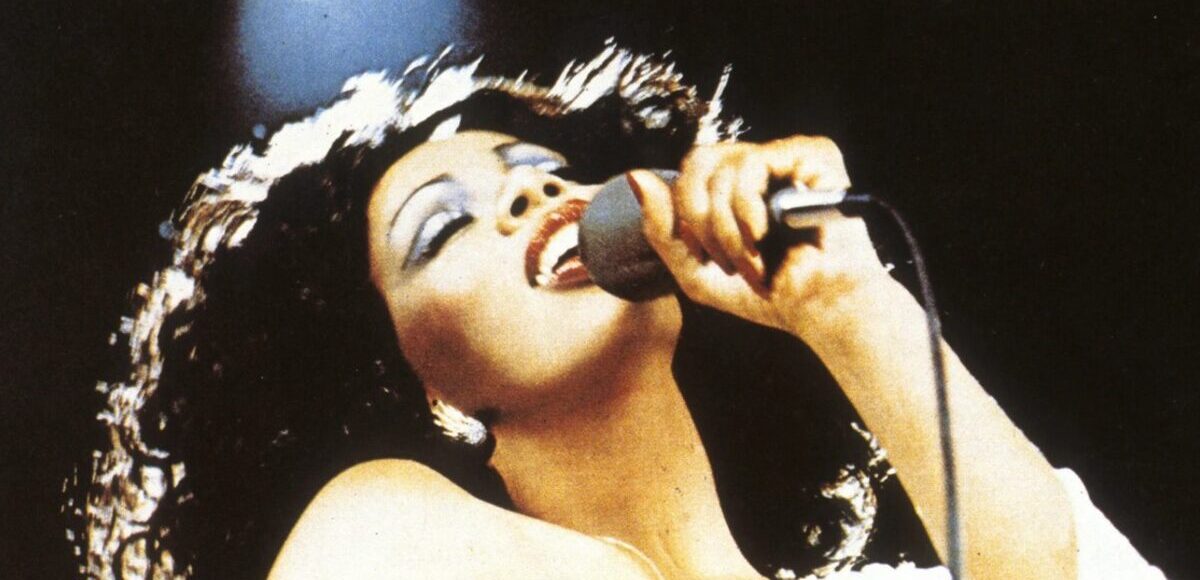
The four-on-the-floor was her public face; the register changes and gospel-trained power were the craft. Live, she could open a note wide and then cut it clean for the next phrase. Producers chased that control. So did audiences who came for the hits and stayed for the authority. Even at peak fame she talked about craft in interviews: breath, phrasing, when to let the track lead.
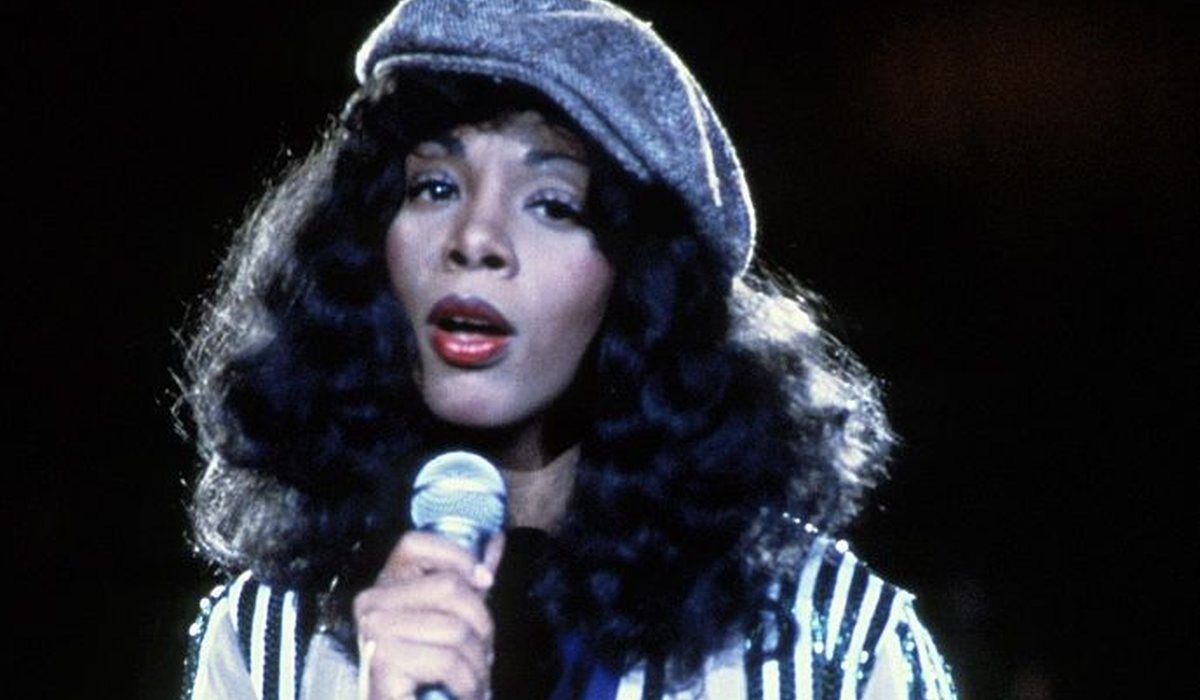
When disco backlash hit at the end of the seventies, Summer moved toward rock-tinged singles and adult-contemporary radio without erasing the Munich years. The Wanderer (1980) opened the Geffen years with a rock edge that confused some disco purists and freed her from a single tempo. She fought label battles, took religious turns that complicated her gay-club base, and kept releasing records that proved the voice outlasted fashion cycles.
She later settled legal fights, returned to dancefloors with producers who understood her range, and kept Christmas and gospel projects alongside club singles. The through-line was authorship: even when the arrangement was pure four-on-the-floor, the vocal decisions were hers. That is why “I Feel Love” still sounds like a person, not only a sequence.
Later decades brought awards, a Rock and Roll Hall of Fame induction after her death in 2012, and endless sampling of those Moroder-era grooves. Pop singers still quote her phrasing when they need a dance record to sound adult. Electronic producers still point at “I Feel Love” as a before-and-after line. Documentaries reframed her as a bridge between disco, synth-pop, and house rather than a period costume.
What separates Summer from Gloria Gaynor’s survivor anthem or Diana Ross’s crossover glamour is the Munich studio partnership and the co-writing credits on the biggest hits. She was not only interpreting; she was shaping the drama inside the grid.
Start with I Remember Yesterday for the Munich arc, Bad Girls for the peak charts run, and The Wanderer when you want the rock pivot. Add “I Feel Love,” “Hot Stuff,” and “On the Radio” to any playlist and you hear three temperatures of the same singer.
Disco had many stars. Few left a toolbox this complete. Summer made the pulse carry melody, drama, and a songwriter’s spine. That practical talk matches the records better than any crown.