




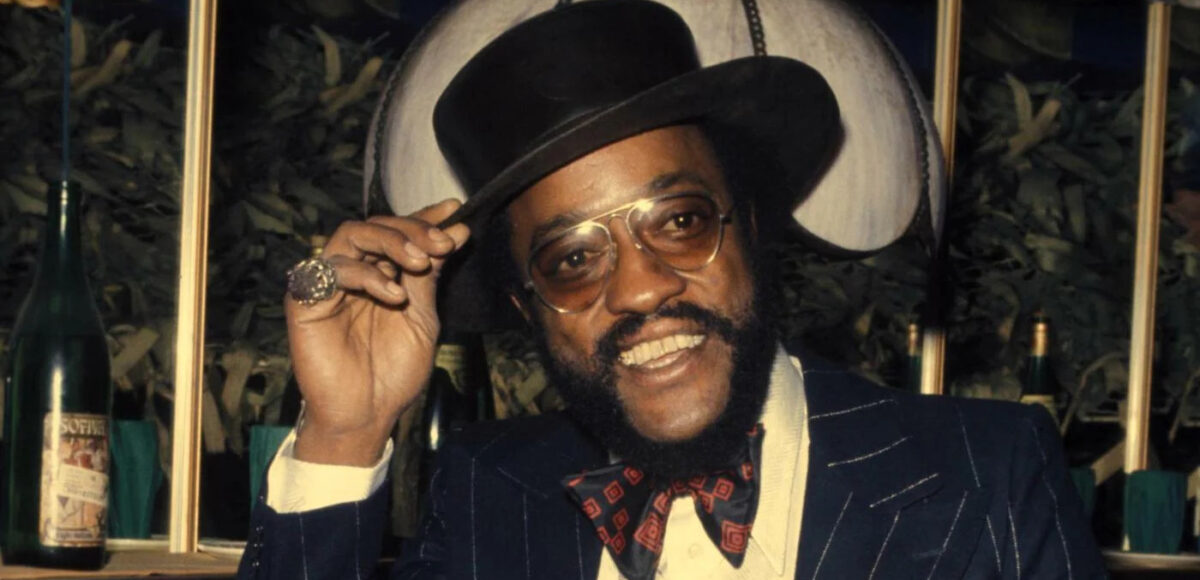
Sigma Sound 1972: Gamble & Huff slow Elton into Philly soul
Covering Elton John at the start of his superstardom took nerve. On the 1972 Philadelphia International album 360 Degrees of Billy Paul, Billy Paul slowed Your Song and recut it as Philly soul: warmer bass, softer drums, and a falsetto that sings Bernie Taupin’s lyric as a personal account rather than a polite English ballad. Kenny Gamble and Leon Huff produced. Joe Tarsia engineered at Sigma Sound Studios in Philadelphia. Arrangers on the wider album included Bobby Martin, Lenny Pakula and Norman Harris. Paul’s version runs past six minutes; Elton’s 1970 original was already a standard. 360 Degrees of Billy Paul, issued in 1972 on Philadelphia International, was shaped by Kenny Gamble and Leon Huff at Sigma Sound Studios; the album also carried Me and Mrs. Jones, the smash that overshadowed this quieter cover choice.
Paul already had the tools. The same album carried Me and Mrs. Jones, the Grammy-winning number-one that proved he could sell adult desire without camp. On Your Song he went the other way: a softer vocal, still direct, and still grounded in Gamble and Huff’s studio language. Strings and keys sit under the vocal instead of pushing the piano forward. He lengthens phrases, sits slightly behind the beat, and makes the love letter sound like a late-night take. The cover sits among other reinterpretations on the LP, Carole King’s It’s Too Late, Al Green’s Let’s Stay Together, a programme of songs filtered through Philadelphia’s house sound. Paul’s reading of Elton John and Bernie Taupin’s Your Song slows the tempo, opens space for strings and soft rhythm guitar, and treats the lyric as a late-night reading rather than a brighter piano-pop tempo.
The cover did not erase Elton’s version. It proved the song could travel genres. Soul DJs and later quiet-storm programmers kept Paul’s reading in rotation because it works as a slow-dance record with a named city sound: Sigma rooms, PIR polish, a baritone-to-falsetto singer who had already topped the charts that year. The arrangement does the quieter job: Philly soul’s polish gave the song a second accent without erasing the original melody. Radio leaned harder on Me and Mrs. Jones, but album listeners and later deep-soul diggers kept this cover.
Philly International was still defining its house sound in 1972: MFSB players, Sigma rooms, Gamble and Huff charts. Placing an Elton and Taupin song inside that system was a statement about repertoire, not filler. Paul’s reading sits near Am I Black Enough for You on the same LP, so the softer ballad stays next to the label’s tougher political songs. Quiet-storm radio in the 1980s and 1990s kept rediscovering the cover when programmers wanted familiar melody with Philadelphia warmth. The trail of this cover stays local and specific.
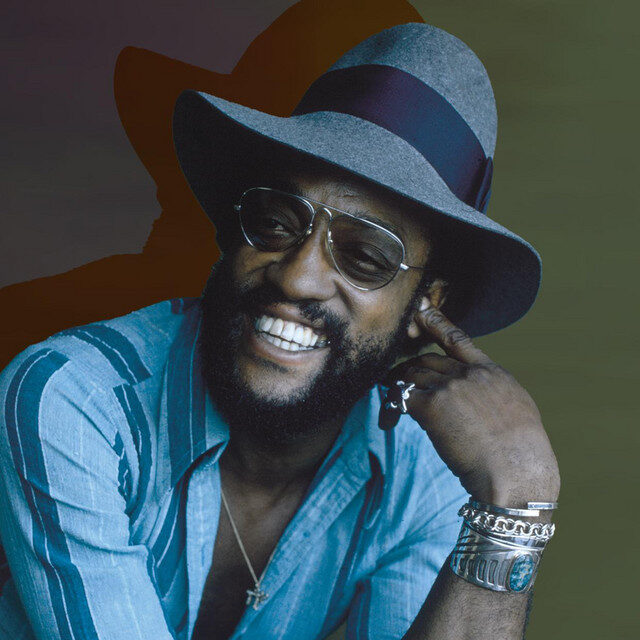
The track is a British pop ballad remade for Philadelphia radio after midnight. The recording is Paul’s voice, a calm rhythm section, and the Sigma Sound room. Remasters keep that warmth: voice upfront, arrangement patient, tempo slower than Elton’s. The slowed opening, Paul’s phrasing, and the Gamble & Huff room are the whole of this 1972 cover.
Elton John and Bernie Taupin wrote the song. Paul recorded his version in Philadelphia.

Alex | 9 October 2026
|
Solid chronicle. I forgot how sharp Billy Paul sounded on this one. Replay button abused.
Tom Riff | 9 October 2026
|
Anyone else think the live versions of Your Song are better? Studio still wins for me though. Needed that.
Yuki | 10 October 2026
|
Opened the article, heard the riff in my head before the embed loaded. Classic. Good piece.
Marc G. | 10 October 2026
|
Radio killed Your Song for me for years. Came back last month. Instant regret for waiting. Just saying.
Sofi | 11 October 2026
|
heard Your Song a thousand times. This reminded me why it stuck. Might be recency bias but I do not care today. Needed that.
Rita | 11 October 2026
|
Still puts Your Song on whenever I need a reset. Never gets old. Ok bye.
Ivan | 11 October 2026
|
Simple song, big feeling. Your Song still does that.
Amy | 12 October 2026
|
Still puts Your Song on whenever I need a reset. Never gets old. Just saying.
Ben | 13 October 2026
|
Not overrated. If anything people forgot how tight Your Song is. I am biased and fine with it.
Elena N. | 14 October 2026
|
I argued with my brother about Your Song for years. This is my exhibit A. Ok bye.
Carmen | 14 October 2026
|
This is the track I put on to test new speakers. Billy Paul never lies. Also the comments section on old forums was wild about this.
Ray | 15 October 2026
|
Kinda basic of me but Your Song is still top 5 Billy Paul for me. Sharing this in the group chat. Expect chaos.