
A jailbreak sung by someone who was not in the cell
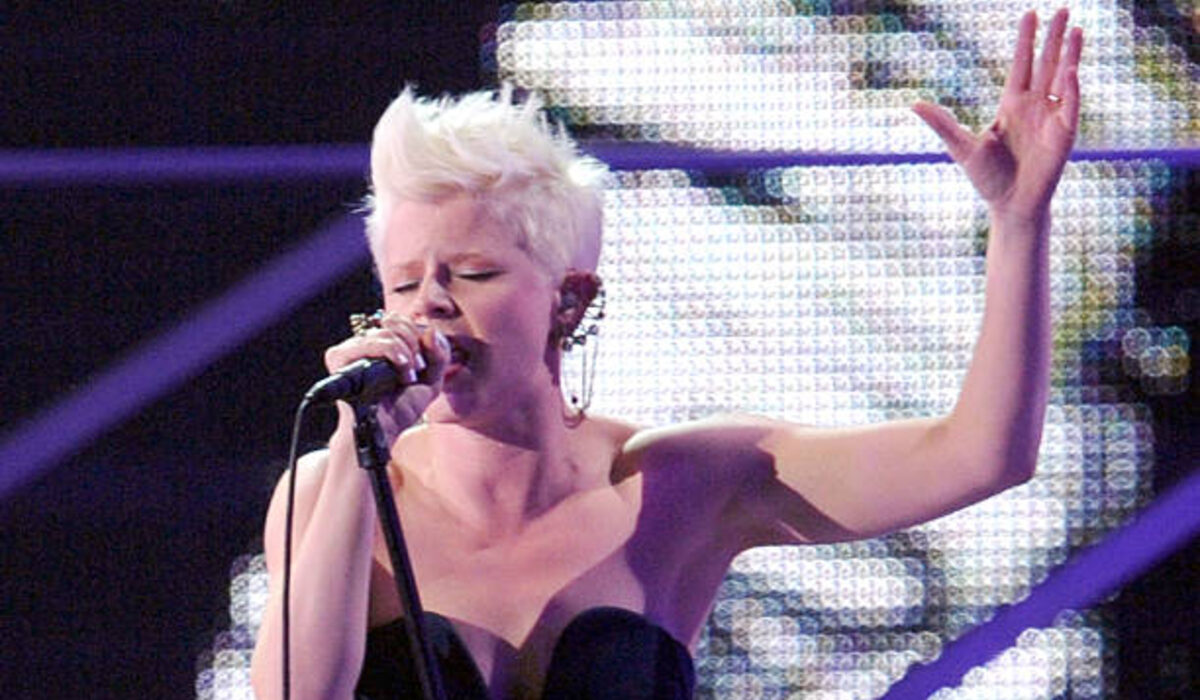
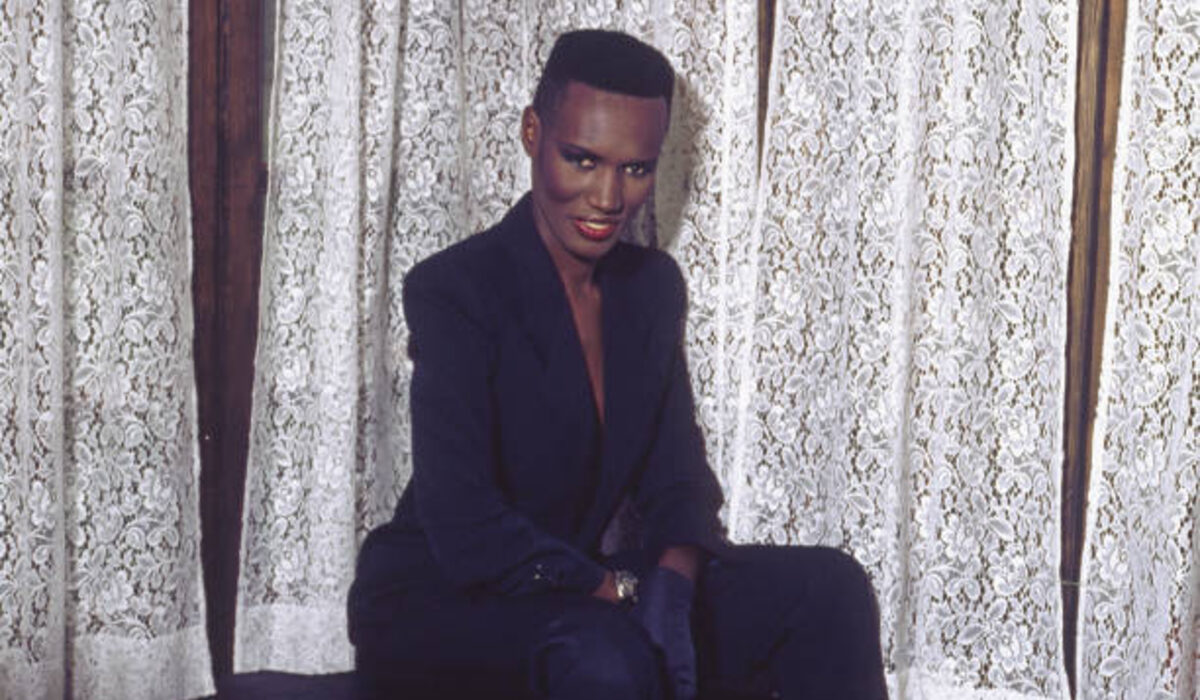
The tempo has been taken down until the threat can sit. Public Enemy’s Black Steel in the Hour of Chaos was a sprint and a manifesto. Tricky’s version, just Black Steel on the sleeve, is a room with the lights low and a young voice walking the same lyric as if she were reading it off a wall. Martina Topley-Bird does not imitate Chuck D. She declines the imitation, which is the cover’s whole argument. A drum loop, Indian in color, a bass that arrives late, guitar that scrapes rather than riffs. Tricky mutters at the edges, switch in, switch off, a man half in the song and half in the hallway. The escape is still in the words. The panic has been replaced by a stare.
It belongs to Maxinquaye, released in 1995, the record that made Tricky a name apart from Massive Attack. Mark Saunders co-produced and has described the session as a lesson in forgetting how records are made. Tricky wanted a cover. He started writing Chuck’s lines out for Martina, then stopped and told her that would be enough, repeat these. She sang to almost nothing, a tabla loop, and invented a melody with no map. Saunders thought it was not finished. Tricky thought it was. Later a band’s overdubs went on while he was out, and he came back, heard them, and added his own mutter in a rush. The first thing out of her mouth is what you hear. She was still a teenager. The album was named for his mother, Maxine Quaye, who died when he was small. The cover does not explain that. It only borrows a man’s rage and gives it to a voice the rage was not written for.
NME made Maxinquaye its album of the year, over louder British records that expected the prize. Black Steel was the track that proved the method in one gesture: slow a classic until the classic has to speak differently. On stage the song stayed unstable, Martina out front, Tricky in the shadow of his own arrangement, the guitar bursting and then withdrawing. He told The Guardian, years later, why a woman had to sing it. He was frustrated that writers as good as Rakim, Slick Rick and Chuck D were boxed as rappers. He wanted Martina to carry the lyric as appreciation. He has met Chuck. Chuck never commented. Tricky thinks he understood.
I got frustrated back in the day because the lyrics of rappers like Rakim, Slick Rick and Chuck D were so good yet they got put in their box because they were rappers. I wanted Martina, a female, to sing it to show my appreciation.
(Tricky, The Guardian, 2023)
The risk was disrespect, and the result was a second song that does not erase the first. You can still hear the jail. You cannot hear the original tempo without noticing what Tricky removed: the certainty, the crew, the shout. What he added was doubt, and a singer who had not been in that cell, which makes the cell more frightening. Saunders wanted to clean the hiss on the drum loop and never did. The hiss stayed, a grain the prettiness cannot sand off.
What remains is the stare. Black Steel still sounds like a letter read by the wrong person, which is to say the right one. The hour of chaos has been stretched until you can walk around inside it. Chuck’s lines survive the stretch. They just refuse, in this room, to raise their voice.