A throwaway painting that learned to drive
An oboe and a synthesizer collide in the first seconds, glamorous and slightly unhinged, and Bryan Ferry starts listing places as if a postcard had been cut up and thrown into the wind.
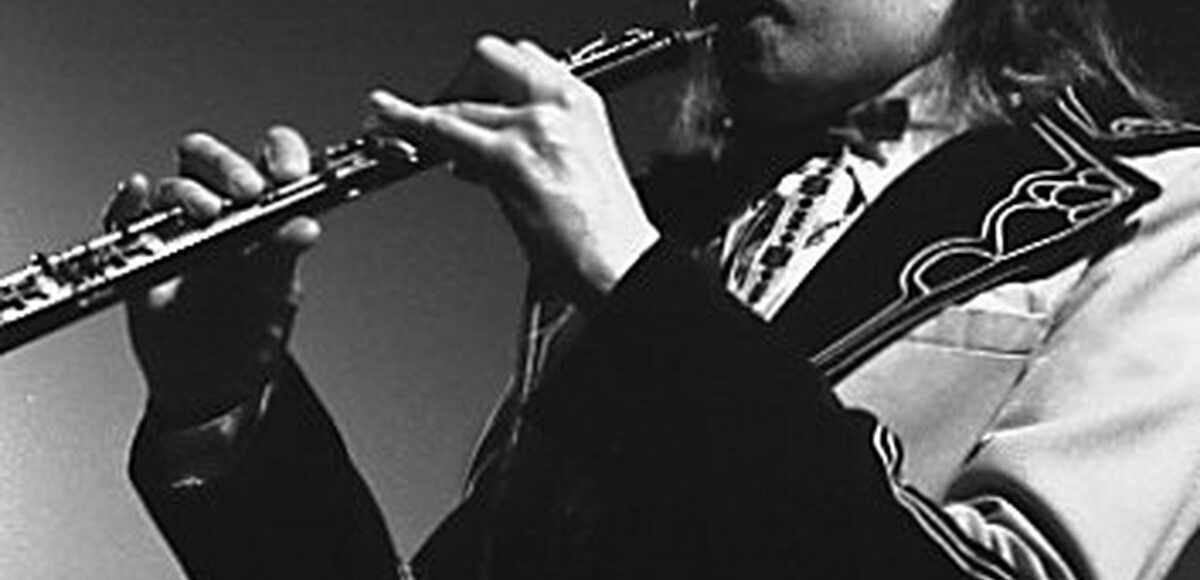
Virginia Plain was recorded in July 1972 at Command Studios in London, Peter Sinfield producing, and released in August as Roxy Music’s first single. It was not on the British pressing of the debut album, which had already come out and surprised Island by having no obvious hit. Ferry had an unfinished song. They cut it fast. A roadie rode a motorbike up and down outside so they could catch the engine. Brian Eno, still in the band, treats the VCS3 as a character, not a pad. Andy Mackay’s oboe is the other voice, nasal, elegant, unwilling to sit in a horn section. Phil Manzanera, Paul Thompson and Graham Simpson complete a group that sounds like an art school that has learned a backbeat. The single reached No. 4 in Britain.
The title belonged first to a watercolour Ferry had made in 1964, as a student in Newcastle under Richard Hamilton: a giant cigarette packet, a pin-up, a plain, a three-way pun on Virginia tobacco. He was living with someone who had helped Andy Warhol make the Marilyn screens, and thinking about the Factory from a northern city. The lyric keeps that scrapbook energy. Baby Jane, Acapulco, Rio, Route 66, a dance at the Union Hall. Ferry told Melody Maker that year that the painting was a throwaway, and that the song was made of throwaway lines. The throwaway became the way the country met the band. The album had been a rumour. The single was a costume you could hear.
The painting was a sort of throwaway watercolour, and the song has lots of little images and throwaway lines.
(Bryan Ferry, Melody Maker, 1972)
On television they looked like a manifesto and sounded like a party that had read the manifesto. Ferry in the tiger print, Eno in feathers, Mackay in a ruffled shirt, and a song with no chorus in the ordinary sense, only a title shouted as if it were one. They would smooth this energy later, on Avalon and the slow-burn ballads. Virginia Plain is the door slamming open. It lasts under three minutes and seems to visit four countries. The ending does not resolve so much as step out of the frame, the way a painting does when you notice the edge.
What remains is the pleasure of surface taken seriously. Ferry, who could have hidden behind irony, commits to the glamour. The bike, the oboe, the synth squeal, the American place-names said in a Washington voice: none of it is decoration added to a song. It is the song. A student painting from 1964, done to be discarded, named the record that made Roxy Music public. The plain in the title is still there, flat and bright, and the band is still crossing it at a speed that should not hold together, and does.