A tritone in Birmingham rain
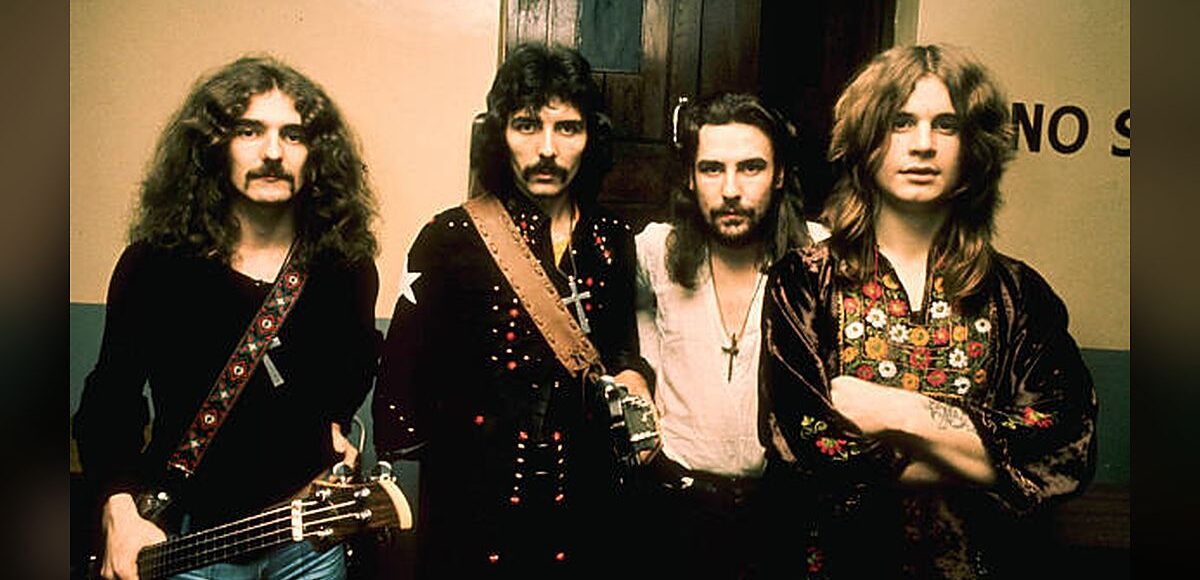
Birmingham, a city of factories and rain, late 1968. Four musicians who have been playing blues under names that do not fit, Polka Tulk, then Earth, stand across the street from a cinema showing a horror film. The film is called Black Sabbath. Geezer Butler will write a lyric out of a nightmare. Tony Iommi will play a riff that uses the tritone, the interval Western music once called the devil’s, not as a gimmick but as the only shape bleak enough. Ozzy Osbourne will sing it as if the nightmare were a job. Bill Ward will hit the kit like a man keeping a machine from walking out of the room. The blues club is still in their hands. Something heavier has just sat down on the riff and refused to leave.
Iommi’s hands are part of the origin, and not as romance. At seventeen, in a sheet-metal shop, he loses the tips of two fingers on his fretting hand. He builds thimbles, detunes the guitar so the strings yield, and in doing so invents a weight other players will spend decades trying to copy without the injury. The first album, Black Sabbath, is recorded fast, in a day by the often-told account, with Rodger Bain producing, and released on Friday 13 February 1970. The title track is the manifesto: rain, a bell, the tritone, a vocal that does not wink. N.I.B. and The Wizard show they can still swing. The swing is simply carrying more iron.
Paranoid, September 1970, is the one the world cannot avoid. The title song is written quickly because the album needs a short track, which is a useful joke about masterpieces. War Pigs is the real center, a protest that marches. Iron Man is a riff so clear a child can sing it and a guitarist can spend a life inside it. Fairies Wear Boots closes the door with a grin that still has dirt on it. They are not yet called the inventors of a genre in every newspaper. The newspapers will catch up. Master of Reality in 1971 downtunes further. Vol. 4 in 1972, recorded in Los Angeles, admits the cocaine in the title Snowblind and still finds Changes, a piano ballad that proves the bruise has a soft side. Sabbath Bloody Sabbath in 1973 is ornate. Sabotage in 1975 is angry at the business and better for it.
The classic four cannot hold. Ozzy is fired in 1979, a separation that will look, later, like two careers being born at once. Ronnie James Dio joins, and Heaven and Hell in 1980 is a different metal, more opera, still Iommi’s guitar as the law. Lineups will keep changing. Ward will leave and return. Butler will leave and return. The name, carried by Iommi, becomes a ship with a rotating crew and a recognizable hull. None of the later chapters erase the first six albums. They orbit them. Ozzy’s solo band, with Randy Rhoads and then a long American life, makes him a celebrity the Birmingham years never required. The riff does not need the celebrity. It already works.
In 1997 the original four play together again, and the reunion is not a costume party. It is a reminder of how little gear the sound actually requires: one guitar figure, one bass that moves like a second drummer, a voice that can sound frightened and threatening in the same line. 13, in 2013, produced by Rick Rubin, returns Ozzy, Iommi, and Butler to the studio without Ward, which is a wound the fans argue and the record does not fully heal. The End tour closes in Birmingham on 4 February 2017. It feels, then, like a last bow. It is not quite the last.
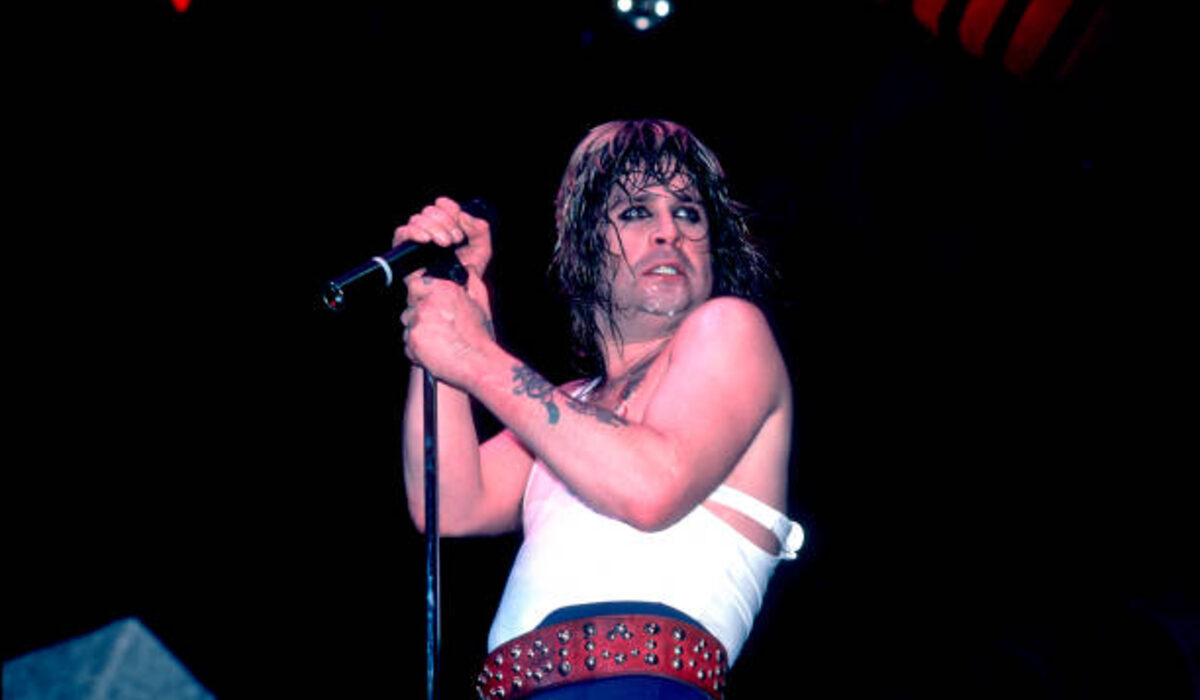
On 5 July 2025, at Villa Park in the city that made them, Back to the Beginning gathers the original four one more time, Ozzy seated, the riffs standing. He dies on 22 July, seventeen days later. The chronology matters because the group’s story was always about a body under pressure: Iommi’s fingers, Ozzy’s voice and his long survival, Ward’s swing, Butler’s lyric that took horror movies and factory dread and made them into songs people could shout. The shout outlived the singer. That is not a consolation. It is the shape of the work.
Black Sabbath’s cult is the cult of the first bruise. Other groups made metal faster, more technical, more theatrical. Sabbath made it heavy in the original sense: a weight you feel in the sternum. The tritone is no longer forbidden. It is a dialect. They spoke it before it had a dictionary, in a city that understood machines, and they left the rain in the recording. You can still hear it if you turn the volume up far enough to be honest.