Birmingham, a throne, and the long night
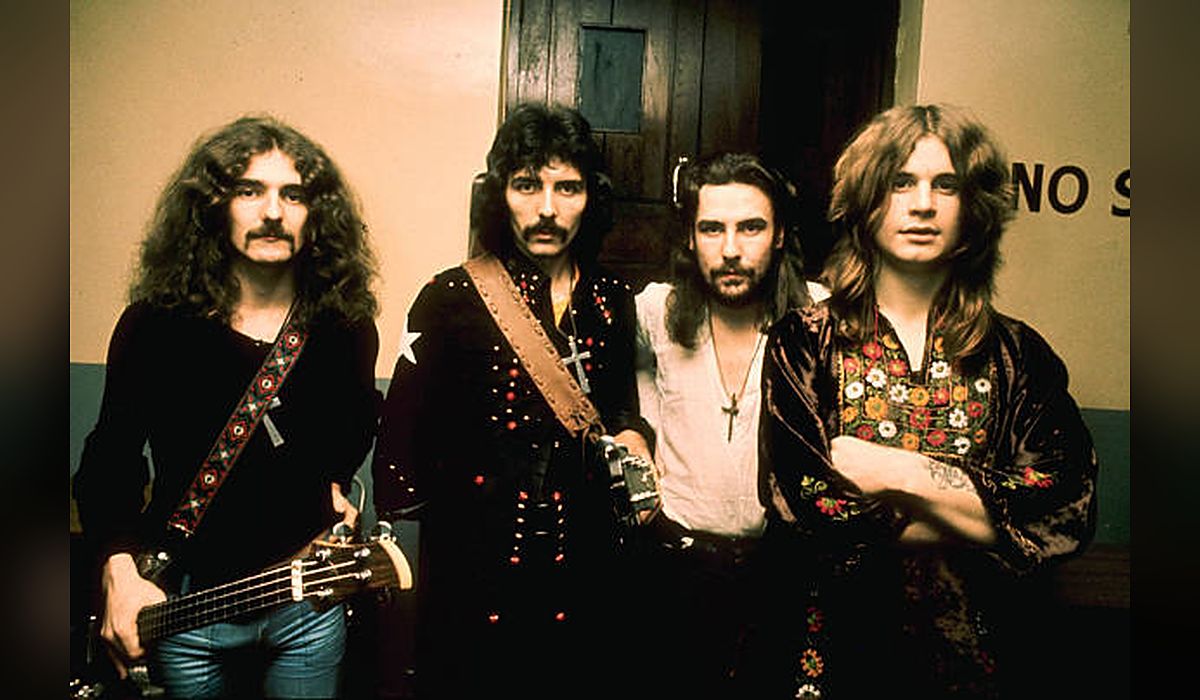
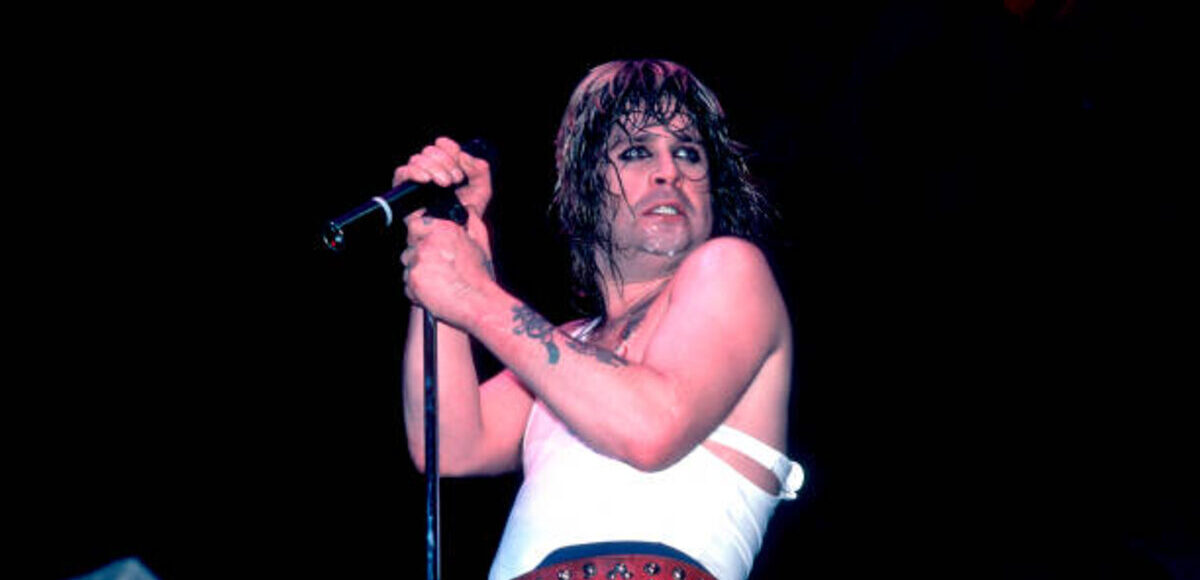
The farewell was a black throne at Villa Park, Birmingham, on 5 July 2025, a short walk from the Aston streets where John Michael Osbourne had learned to shout. He sat because the body would no longer carry a whole show, and he sang anyway. Black Sabbath, the band that had started in 1968 with Tony Iommi, Geezer Butler and Bill Ward, closed the night. Less than three weeks later, on 22 July 2025, he died at seventy-six. The throne was not a prop added by nostalgia. It was the last practical solution for a voice that had spent fifty years making dread sound like a chorus.
That voice was never a technician’s pride. It was a howl with a melody hidden inside it, flat in the way a siren is flat, which is to say useful. On Black Sabbath in 1970 the tritone and the rain announce a new weight, and Ozzy’s delivery on the title track sounds like a man reporting a haunting rather than performing one. Paranoid, the same year, gives the form its singles: War Pigs, Iron Man, Fairies Wear Boots. He did not write the riffs. He inhabited them, which is a singer’s job the guitarists in that band understood. The working-class Birmingham of the lyric is not scenery. It is the factory in the down-tuned string.
Sabbath pushed him out in 1979, a sacking that reads now like the start of the second act rather than the end. Sharon Arden, later Osbourne, took the management. Blizzard of Ozz in 1980 introduces Randy Rhoads, a guitarist who played like a classical student set loose in a horror film. Crazy Train and Mr. Crowley are the proof. Diary of a Madman followed in 1981. Rhoads died in a plane crash on 19 March 1982, and the records after that, Bark at the Moon, The Ultimate Sin, No More Tears in 1991 with Mama, I’m Coming Home, keep a singer who had to learn other hands on the riff without pretending the first hands had not mattered.
The name itself was a borrowed fright. Geezer Butler had written a lyric after a nightmare, and the band took Black Sabbath from the English title of a Mario Bava film, then downtuned until the riff felt like weather over Aston. Those early albums were made quickly, often in a few days, which is why Paranoid still sounds like a band that had not yet learned to decorate. Ozzy’s job was to stand in front of that weight and not wink. He winked later, constantly, on television. On the 1970 records he does not. The solo years kept both habits in the same throat: the horror-host grin, and the sudden straight reading of a line like the one in Mama, I’m Coming Home. Ordinary Man in 2020 and Patient Number 9 in 2022 showed the howl still reporting, thinner, guest-starred, and unwilling to retire the darkness into a sketch.
The public myth ran ahead of the albums and sometimes smothered them: the dove, the bat in Des Moines in 1982, the substances, the reality show that turned a family into a set. The Osbournes made him a comic character to people who had never sat with War Pigs. He allowed it, and he also kept singing the old songs as if the joke had not cancelled the night. Ozzfest put him at the centre of a touring metal economy he had helped invent. The voice thinned. The phrasing, that slightly late arrival on a note, stayed recognisable from the back of a field.
What the farewell clarified was the geography. Birmingham claimed him in the end because he had never really sounded like anywhere else. Put on the 1970 title track or Crazy Train and the howl is still a working instrument, not a costume of darkness. He learned the dark by living next to it, in a city of furnaces, and then he spent a lifetime charging admission to the sound. The throne was the last stage. The night around it was the one he had been singing since the beginning.