
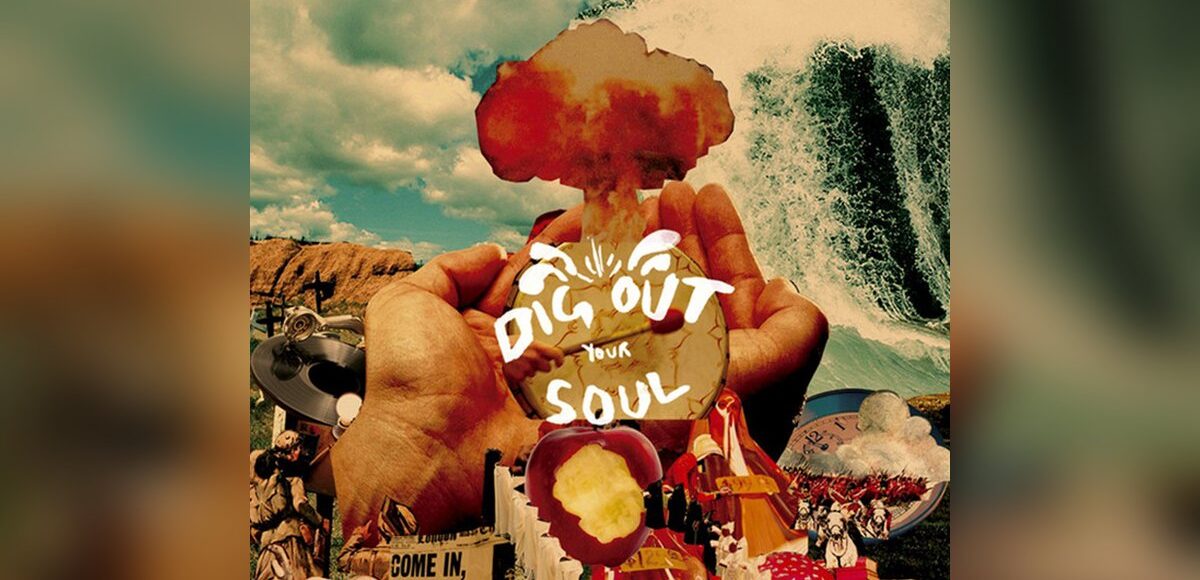
Big Brother, Abbey Road with Sardy
On 6 October 2008 Big Brother released Dig Out Your Soul, cut at Abbey Road with Dave Sardy between summer and Christmas 2007, then mixed at The Village in Los Angeles. Noel had to buy out a U2 booking in cash so Oasis could keep studio time. Zak Starkey drummed through the sessions as a full member. The line-up is Liam and Noel Gallagher with Gem Archer and Andy Bell, the post-Bonehead/Guigsy unit that had already made Don’t Believe the Truth with Sardy. Sardy brought his own Neve Melbourne sidecar into Studio 2 beside the EMI gear.
Noel still writes most of the record, but Liam contributes three songs and Archer and Bell one each (To Be Where There’s Life, The Nature of Reality). The sound leans psychedelic and groove-heavy: looped drums, drone guitars, less Britpop snap. The Shock of the Lightning is the lead single; Falling Down, Waiting for the Rapture, and (Get Off Your) High Horse Lady push the hypnotic side. Julian House’s collage sleeve (hands, mushroom cloud, bitten apple, “COME IN, COME OUT!”) matches the denser textures.
Promotion included a New York subway takeover and UK arena dates. The album hit number one in Britain. Within a year the Gallagher brothers’ public split would end the band after a Paris dressing-room walkout in August 2009, making this the final studio statement before decades of solo catalogues.
Abbey Road is the Museum. You sit there twenty minutes and then you still have to make the place sound good.
(Dave Sardy on recording Dig Out Your Soul at Abbey Road)
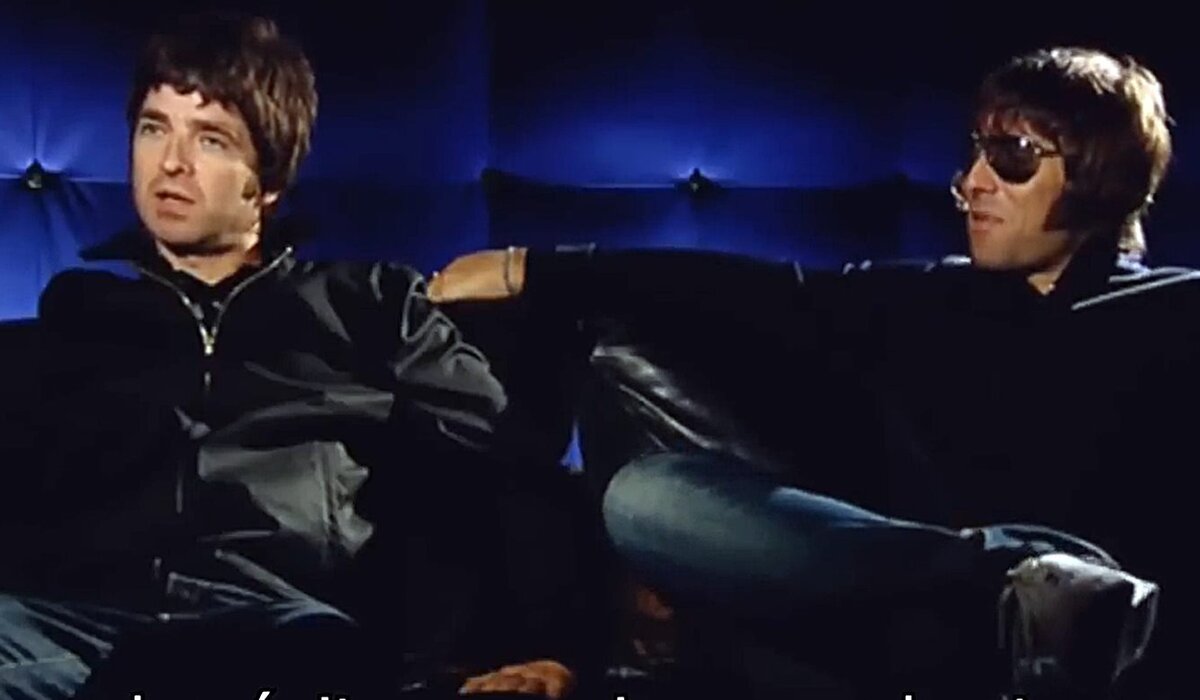
The Shock of the Lightning and later singles kept Oasis on daytime radio while the live set mixed new drones with Wonderwall-era hits. Critical reaction praised the heavier pulse more than late-period formula. US chart impact stayed modest next to the mid-90s peaks, but the UK audience still filled arenas for the tour.
Heard now, the album is the last studio chapter before the split: shared songwriting, Sardy’s low-end focus, and Abbey Road rooms instead of Creation-era farmhouses. It closes the Oasis catalogue with rhythm and colour rather than another race for the biggest chorus. Reunion talk years later still points back to this last finished batch of songs.