
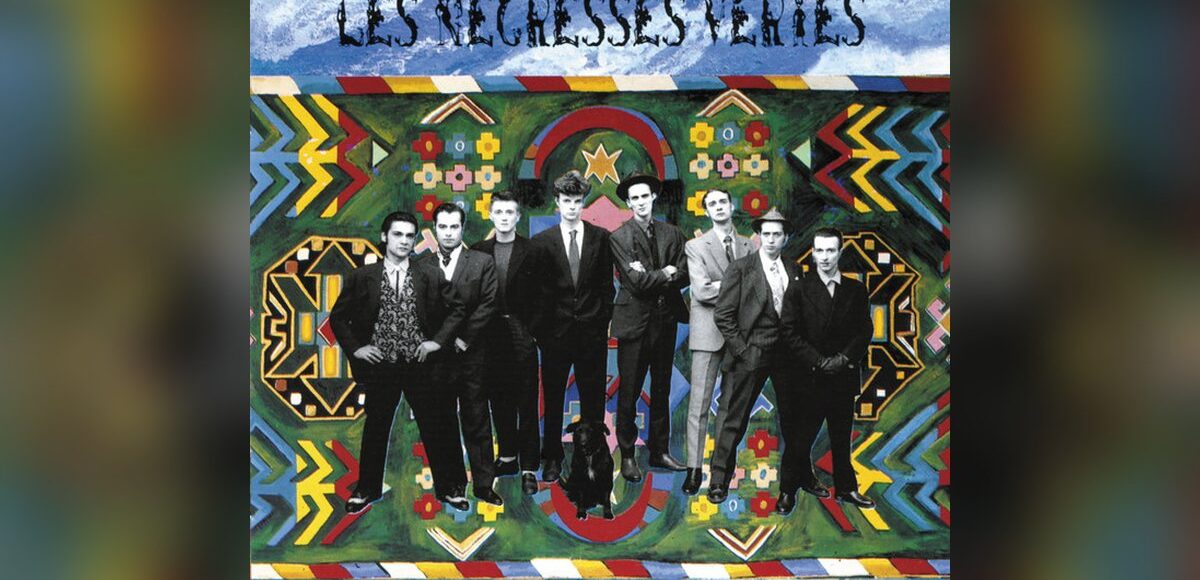
Studio Davout, accordion in the street
In late 1988, Mlah spilled out of Studio Davout like a street carnival that had somehow learned to keep perfect time. Accordion wheezed against trumpet, handclaps answered bass, and voices piled into choruses that sounded half tavern, half theatre. Les Négresses Vertes were not polishing a scene so much as letting Paris leak into the microphones: rag-and-bone poetry, Maghrebi shadow, musette swing, and a punk refusal to behave.
Produced by Clive Martin and Sodi, the debut landed on Delabel with fourteen tracks that refused a single passport. “La Valse” opens with a sideways elegance; “Zobi la Mouche” turns a fly into a trickster anthem, Noel Rota’s rapid-fire vocal cutting through brass that refuses to sit still. “Voilà l’été” stretches sunlight across the room, while “C’est pas la mer à boire” grins through hardship as if the groove itself were a survival skill. Three of the founders had come through the Zingaro horse circus; another had worked as a clown. You hear that pedigree in every lurch and flourish.
What makes Mlah endure is not exotic seasoning poured over French rock. It is architecture. Arrangements snap between solo confession and ragged collective shout. Melodies borrow from guinguette and then sprint toward something closer to gypsy punk before the English press had a clean name for it. The band played like a neighborhood that had decided to become an orchestra, imperfect on purpose, irresistible by design.
This group’s cultural roots are partly in Paris, partly in Algeria and Spain, with healthy amounts of influence from Nashville and urban America. To all these should be added the theatricality of circus music.
(Richard Foss, AllMusic)
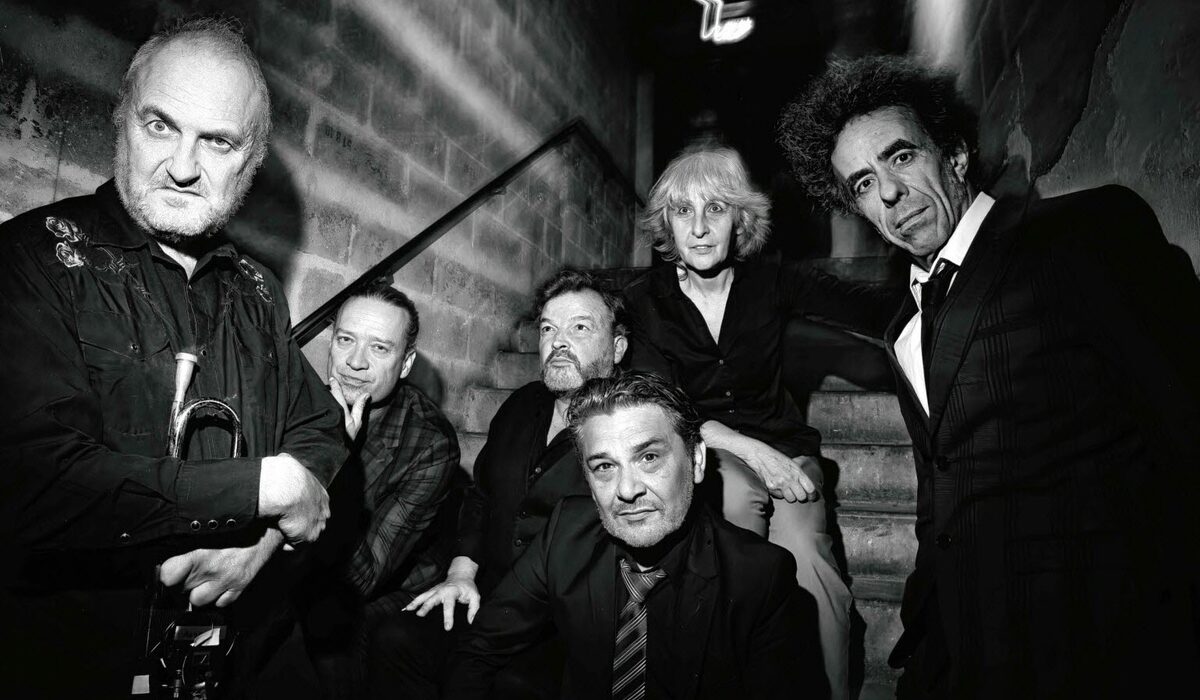
British and American critics took notice even when radio still treated French lyrics as a closed door. Singles found pockets of airplay; the record traveled because the rhythm did the translating. Inside France it became a reference point for a generation that wanted roots without nostalgia and festivity without soft focus. Philippe Manœuvre would later place it among essential French rock albums, which is another way of saying the carnival had entered the canon.
Listen again and the arrangement still does the work: accordion, brass, cheap percussion and Helno’s vocal cutting through. Mlah did not invent Parisian metissage, but it fixed a working band sound that later French alternative acts kept sampling and covering. The carnival image on the sleeve is optional. The Davout sessions are the fact.