Moog gloss, film cues, and French cool without hurry
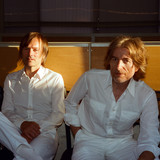
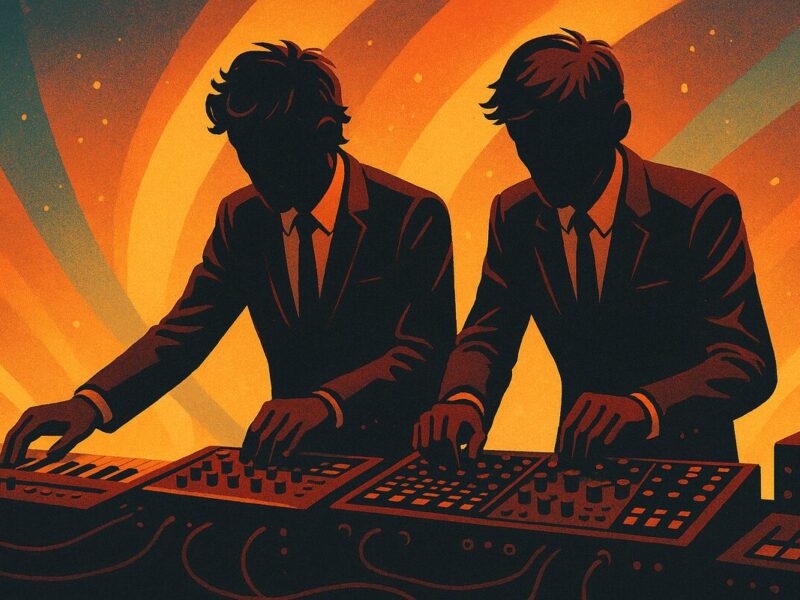
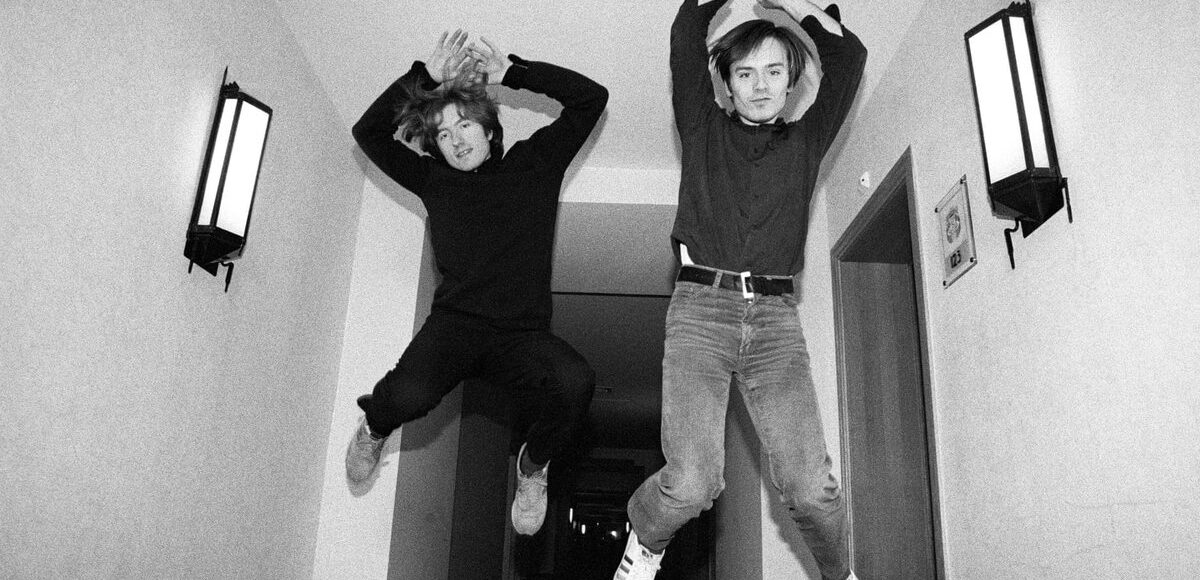
Nicolas Godin and Jean-Benoît Dunckel met as students in Versailles in the early 1990s, when French electronic music still meant either Detroit imports or homegrown techno at high BPM. They chose slower tempos, analog synthesizers, and a production style that sounded like a living room with good speakers rather than a warehouse. The name Air arrived with the EP Premiers Symptômes (1997), a collection of instrumentals and vocal sketches that announced their taste for Moog gloss and unhurried groove.
Moon Safari (1998) became the reference point. Recorded largely in Paris studios with guest vocals from Beth Hirsch on “All I Need” and “Kelly Watch the Stars,” the album wrapped disco bass, Fender Rhodes warmth, and whispered vocals in a mix that American and British press called “French touch” even before the label stuck nationally. “Sexy Boy” rode a vocoder hook onto MTV; “La femme d’argent” opened with a long instrumental glide that told listeners pacing mattered as much as melody.
Godin and Dunckel split composing duties without rigid roles: one might sketch a chord sequence on guitar, the other would reshape it on synthesizer. Their influences mixed Pink Floyd space, Serge Gainsbourg’s melodic cynicism, and 1970s library music without quoting any single source openly. Session musicians and occasional collaborators expanded the palette, but the duo kept final production control, which is why Air records feel like one continuous aesthetic even when guests sing.
The Virgin Suicides soundtrack (1999), written for Sofia Coppola’s film, tightened their cinematic side. Short cues and recurring motifs showed they could score emotion with fewer minutes than a pop album allows. Talkie Walkie (2004) and Pocket Symphony (2007) continued the soft-machine approach with more live drums and guitar, while Le voyage dans la lune (2012) revisited silent-film orchestration for a restored Georges Méliès project.
Touring brought a full band: drums, guitar, and extra keyboards to reproduce layers that began in the studio as two people and a rack. Festivals from Coachella to European summers placed their sound beside rock bands without forcing volume competition. Air never chased EDM drops; they kept mid-tempo as a statement. Lost in the Stars (2012) and subsequent remix projects showed they were comfortable letting other producers stretch their stems while the core melodies stayed recognizable.
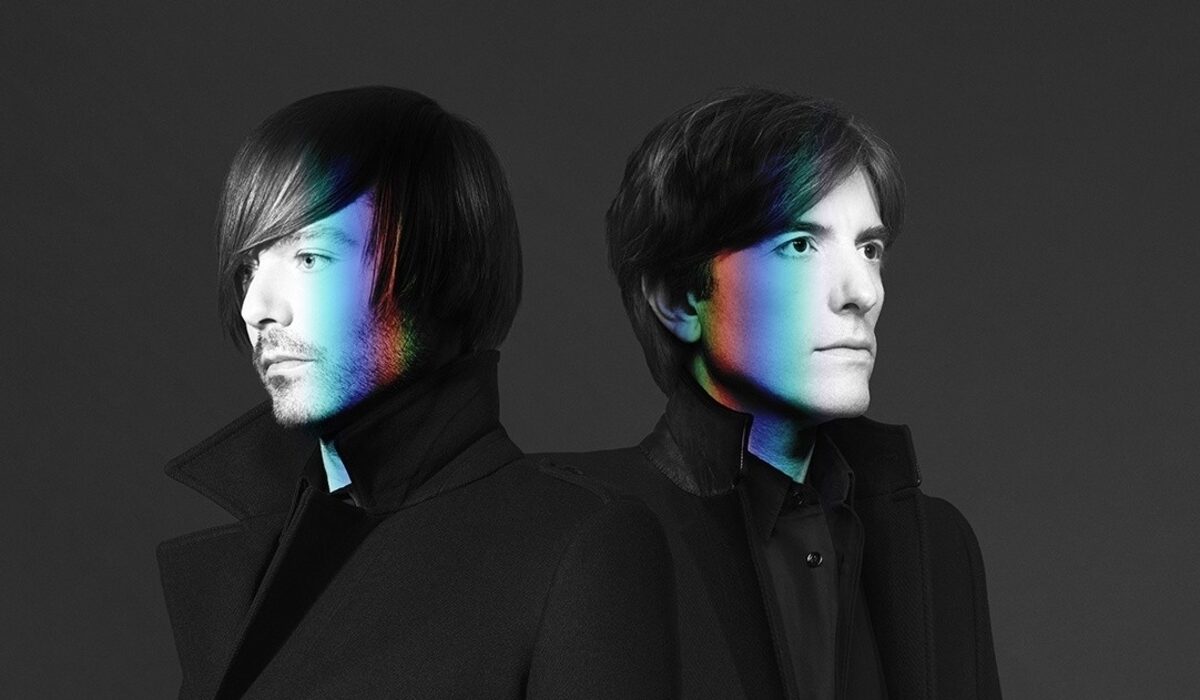
French media sometimes treated them as export ambassadors, which undersold how local their harmonic choices remain. Chords move with European pop patience; vocals stay close in the mix even when synthesizers shimmer widely.
Listen for the filtered bass on “Sexy Boy,” Rhodes chords that breathe before the beat enters, vocoder lines treated as melody instruments, and the long intros that reward headphones. Compression is gentle; space is part of the arrangement.
Entry points: Moon Safari front to back on a quiet evening, The Virgin Suicides for film length, Premiers Symptômes for instrumentals. Compared with Daft Punk in the same era, Air chose lounge warmth over sample-heavy house. Compared with Zero 7 or Morcheeba in British trip-hop, they kept more analog synth sheen and fewer hip-hop breaks.
Air’s catalogue matters because it proved electronic pop could feel intimate at festival scale, and because Godin and Dunckel treated tempo as luxury rather than urgency. The jokes about French cool undersell the craft: these are meticulously voiced chords designed to survive repeat listens at low volume, whether you discover them through Moon Safari or a film cue years later.
That patience is why the records still work for listeners who want electronic music without adrenaline: a Versailles duo who built a world where synthesizers sigh instead of shout, and where every chorus arrives because the groove made room for it. Queue Moon Safari on vinyl or streaming at modest volume and the album still feels like a deliberate invitation to slow down, which was the point from the first Moog chord.