Nile Rodgers, Bernard Edwards, Studio 54
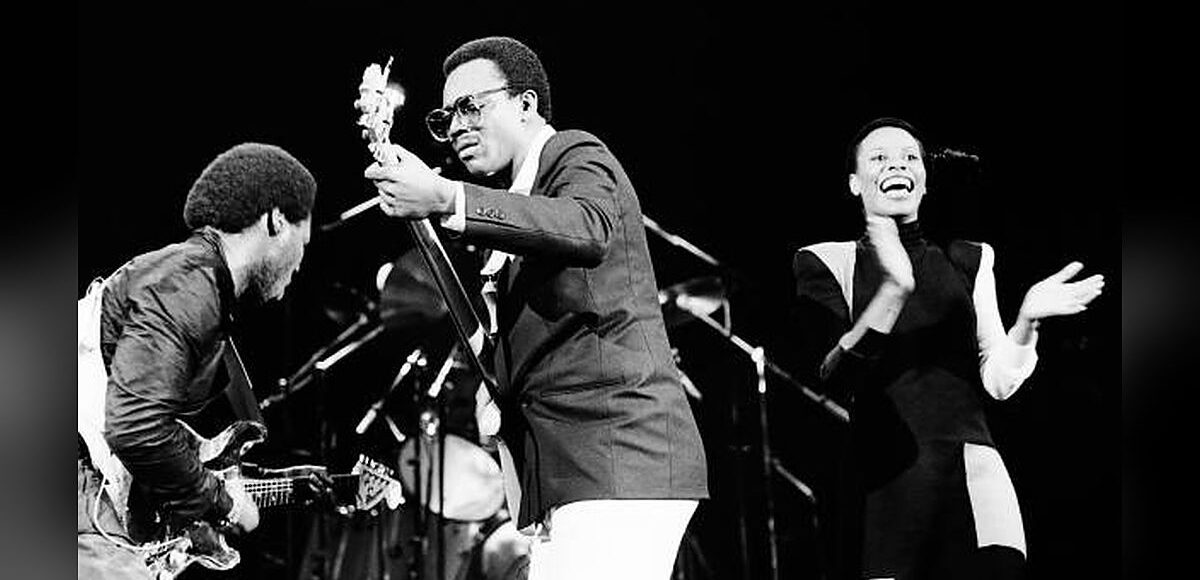
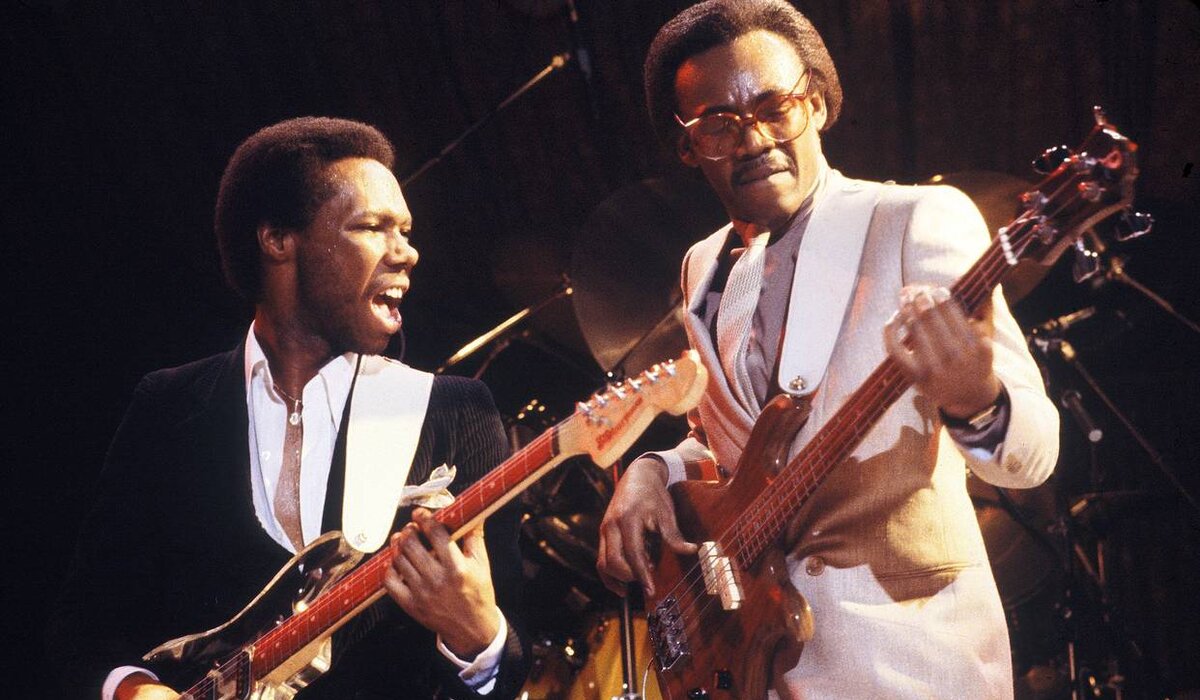
Chic formed in New York City in 1976 around guitarist Nile Rodgers and bassist Bernard Edwards, two musicians who had spent years in the city’s session circuit before deciding that what they were hearing in clubs deserved a proper musical framework. Tony Thompson joined on drums; Norma Jean Wright sang lead initially, then Alfa Anderson and Luci Martin took over the vocal duties. The group signed to Atlantic Records in 1977.
‘Dance Dance Dance (Yowsah Yowsah Yowsah)’ broke through that same year. ‘Everybody Dance’ followed, then ‘Le Freak’ in 1978, which became one of the best-selling singles in Atlantic Records’ history. The song was reportedly born out of a New Year’s Eve when Rodgers and Edwards were turned away at Studio 54’s door, the frustration converted into a riff that now sounds inevitable. ‘Good Times’ (1979), built on a bass line so precisely constructed that it became foundational to hip-hop’s first wave, completed what was arguably the most concentrated run of dance-floor hits any act delivered in that period.
The Chic groove has a specific architecture worth understanding. Edwards’s bass lines do not fill space; they carry the harmonic argument of each track while Rodgers’s rhythm guitar interlock with them, creating a conversation between the two instruments that other disco acts rarely matched. The productions are immaculate: strings and horns arranged to Rodgers and Edwards’s specifications, dry percussion, layered vocals that support rather than compete with the groove. The mix prioritizes midrange clarity, which is why these records play as well on small speakers as in large rooms.
The Studio 54 origin story illustrates something real about the band’s position. Chic was not a pure product of the disco establishment: Rodgers had been listening to jazz, to Gil Scott-Heron, to Roxy Music, and the intelligence of those influences sits in the chord voicings and the refusal to let arrangements become predictable. The group shared the dance floor with Donna Summer and the Bee Gees but came from a different place musically, one closer to the jazz-funk tradition than to the straight pop-disco pipeline.
Production work extended the band’s reach well beyond their own records. Rodgers and Edwards produced ‘We Are Family’ and ‘He’s the Greatest Dancer’ for Sister Sledge in 1979. Diana Ross’s ‘Upside Down’ and ‘I’m Coming Out’ followed in 1980. In 1983, Bowie’s Let’s Dance gave Rodgers a rock production credit that changed how the wider music industry thought about him. Madonna’s ‘Like a Virgin’ (1984) completed the pivot: by the mid-1980s, Rodgers was one of the most in-demand producers in pop, regardless of genre.
The disco backlash of 1979 cut Chic’s commercial run short, as it did for most acts associated with the genre. Risque (1979) and Real People (1980) performed below the peak years, and the group disbanded in 1983. Edwards died in 1996 following a concert in Tokyo. Rodgers reformed versions of Chic for live touring and continued recording, eventually bringing the group back to wider attention in the 2010s with collaborations including Pharrell Williams on ‘Get Lucky’ and later Dua Lipa.
Comparing Chic to their contemporaries clarifies what made them distinct. The Bee Gees operated with singer-songwriter instincts translated into disco; Earth, Wind and Fire brought a deeper jazz and soul vocabulary; Donna Summer and Giorgio Moroder pushed toward electronic production. Chic was arguably the most precise of the lot: the tightest rhythm section, the cleanest arrangements, the most explicit attention to the bass-guitar relationship as the core of the music. The bass line of ‘Good Times’ appears in Queen’s ‘Another One Bites the Dust,’ in Sugarhill Gang’s ‘Rapper’s Delight,’ and in dozens of subsequent records, which is a concrete measure of musical influence that charts alone cannot provide.
Start with C’est Chic for ‘Le Freak’ and ‘I Want Your Love.’ Risque contains ‘Good Times.’ The Chic Organization box set covers the Sister Sledge productions alongside the group’s own recordings. For Rodgers’s later work, Bowie’s Let’s Dance connects the disco period directly to the 1980s pop mainstream. These records hold up because the construction is sound: the groove interlocks at every level, and there is nothing in the production that does not earn its place.