From Smile to Live Aid
In July 1985 at Wembley, Freddie Mercury walked Live Aid like a living room and dragged 72,000 voices into the chorus. Twenty minutes. No costume change. Brian May’s Red Special cut through the PA while Roger Taylor and John Deacon locked the floor. The broadcast made the band look inevitable. The catalogue behind that set had been built the hard way.
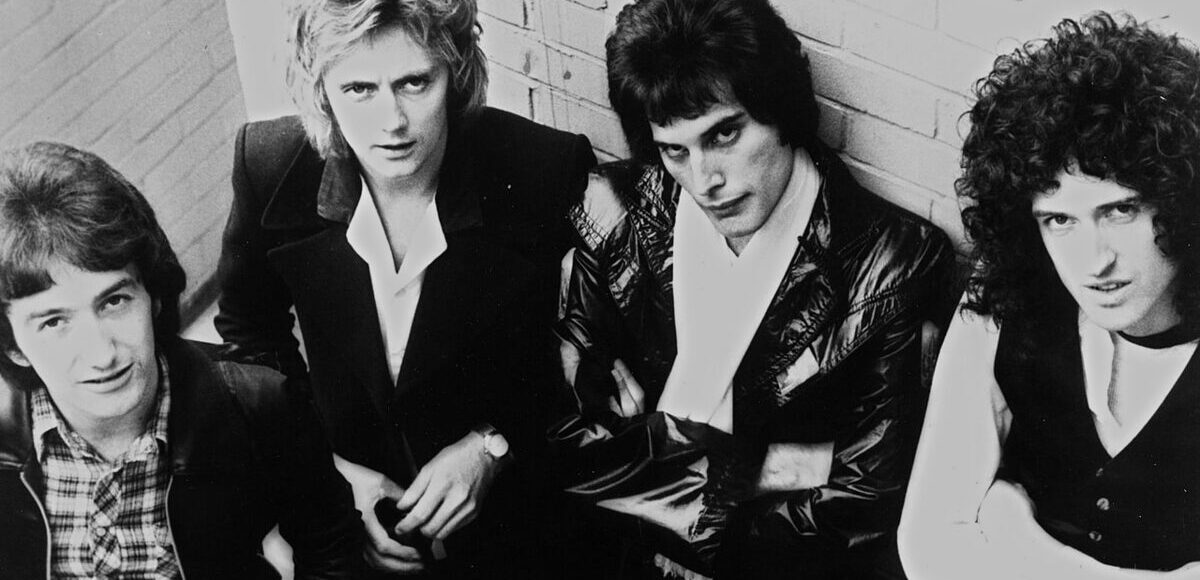
Queen grew out of Smile in London in 1970: Mercury, May, and Taylor, then Deacon on bass in 1971. The debut Queen landed in 1973 on EMI and Elektra, produced with Roy Thomas Baker and John Anthony. Early shows were glam with muscle, not just glitter. Queen II (1974) stacked vocal overdubs until the stereo field felt crowded on purpose. Glam, hard rock, and music-hall wit sat in the same setlist without apology.
Sheer Heart Attack the same year put “Killer Queen” on the charts and proved they could write a hit without thinning the arrangements. A Night at the Opera, November 1975, was the gamble. “Bohemian Rhapsody” ran nearly six minutes, refused a clean verse-chorus shape, and still went to number one in Britain after a film clip shot at Elstree. May’s multi-tracked guitars and Mercury’s stacked vocals were studio craft sold as spectacle.
A Day at the Races followed in 1976. News of the World (1977) gave arenas “We Will Rock You” and “We Are the Champions”, two chants built for concrete and cigarette smoke. Jazz (1978) and The Game (1980) stretched the palette: disco pulse on “Another One Bites the Dust”, rockabilly wink on “Crazy Little Thing Called Love”. Hot Space (1982) pushed further into dance and divided the room. The band kept touring bigger rooms anyway.
The Works (1984) restored guitar weight with “Radio Ga Ga” and “I Want to Break Free”. Live Killers (1979) and later live sets kept the arena versions on vinyl while the studio kept moving. By The Miracle (1989) and Innuendo (1991), writing credits were often shared four ways, a late-career democracy after years of separate song banks. Chart geography mattered: Britain loved them early; America took longer until The Game. South America and Japan filled football grounds before some US markets did.
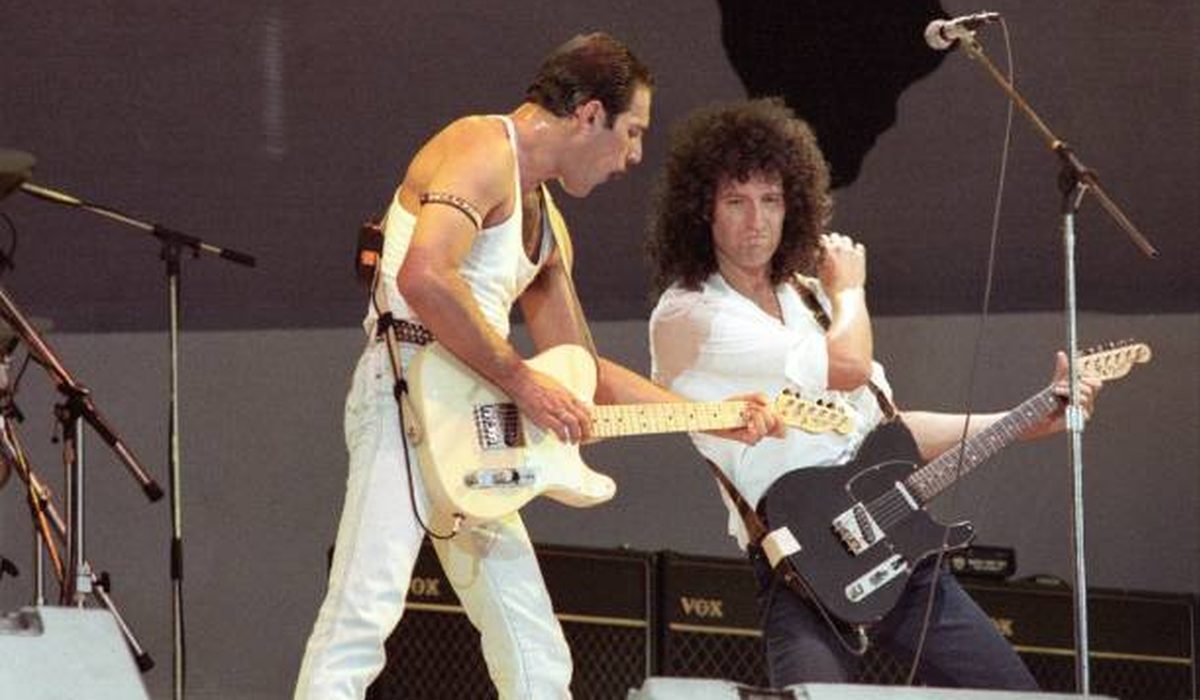
Mercury’s stage craft was athletic: microphone stand as partner, call-and-response as structure. May’s harmonies answered in stacked thirds. Taylor’s snare cracked like a timekeeper for theatres that had become sports venues. Deacon held the centre without demanding the spotlight, the rare stadium bassist happy to disappear into the hook. May’s homemade Red Special and Mercury’s refusal to leave a melody half-finished were the serious craft beneath the capes.
After Mercury’s death in 1991, Made in Heaven (1995) closed the studio story with vocals he had left behind. May and Taylor later carried the name onstage with Paul Rodgers, then Adam Lambert, treating the hits as working repertoire rather than a museum loop. Films and reissues kept the catalogue loud; the records still explain why.
Listen for stacked vocals that still leave room for a guitar line to answer, drum patterns built for stomp-along, and bass that anchors arena hooks without showboating. The production grows denser across the 1970s, then breathes again when dance rhythms enter in the 1980s without erasing the band feel.
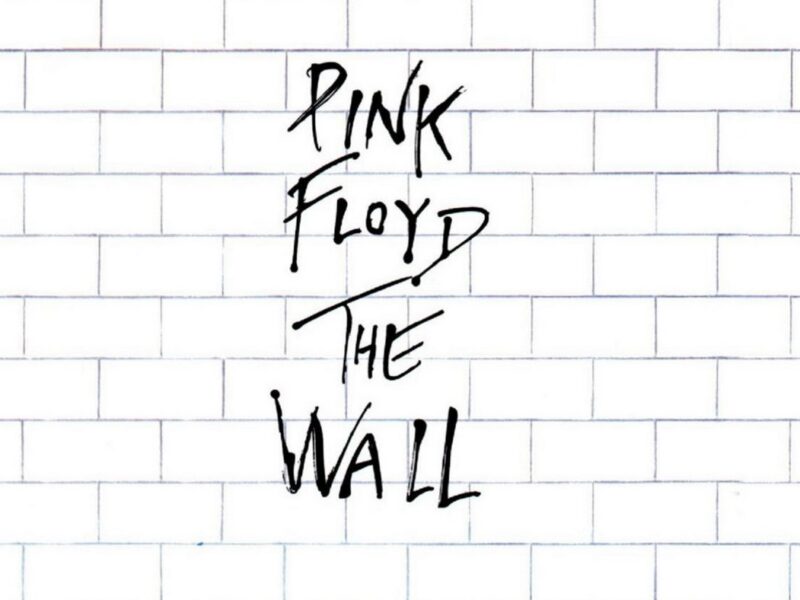
If you want a way in, start with A Night at the Opera for the studio gamble, then News of the World for the chants, then The Game for the American breakthrough. Cue “Bohemian Rhapsody” beside “We Will Rock You” and the double skill is obvious. Next to Led Zeppelin’s blues weight or Pink Floyd’s concept sprawl, Queen chose theatrical songs that still resolve like rock singles.
What holds is the pairing of spectacle and craft: a plot, a hook, and a guitar that can answer a choir. Queen did not invent the stadium. They treated it like a room that needed a melody worth learning before the lights came up. The songs that survive every remaster argument are the ones that work with a piano, a guitar, and a crowd that already knows the next syllable.