Rockfield, 24 August 1975, a gap where the opera would sit
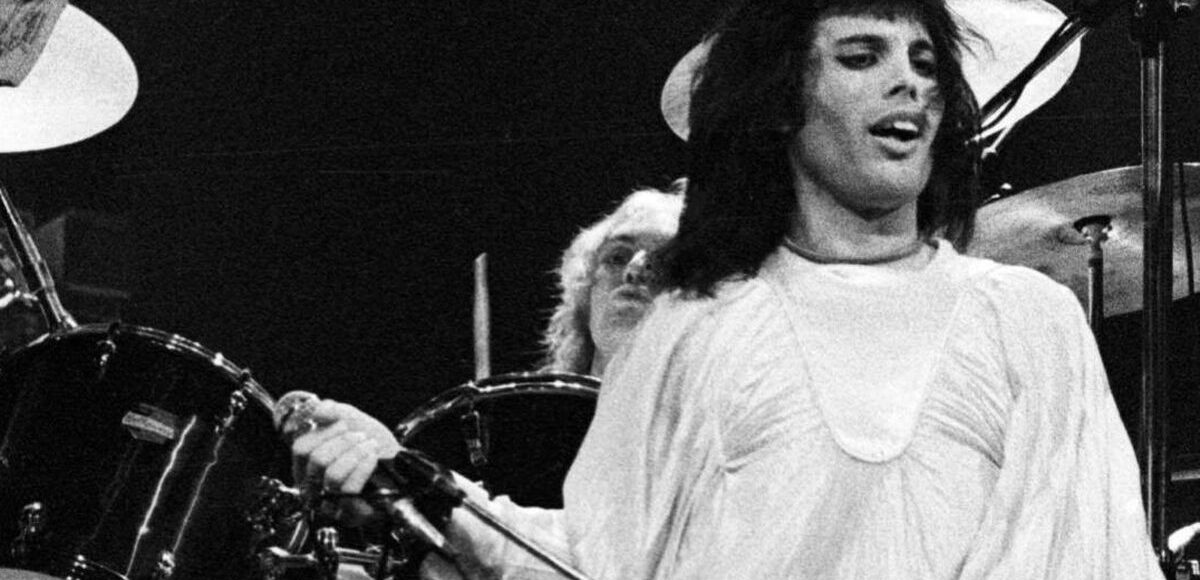
On 24 August 1975, at Rockfield Studio 1 in Wales, Queen began Bohemian Rhapsody with a gap left for the opera section. Freddie Mercury had written it in his flat in Kensington through the spring and summer, and he arrived near Monmouth with the map already in his head. The band had rehearsed at Ridge Farm and at Penrhos Court. Roy Thomas Baker was producing with Queen. Mercury played the opening on the piano, then stopped. The opera was not on the tape. It was a hole he expected the producer to hear.
The hole took the rest of the sessions. About three weeks of work, on 16-track, moved between Rockfield, the Roundhouse, Sarm East, Scorpio Sound and Wessex. The opera was built by bouncing and splicing, because the machine could not hold the pile of voices in one pass. Reports from the sessions put the vocal overdubs near 180. Mercury, Brian May and Roger Taylor sang those parts. May played guitar, Taylor the drums, John Deacon the bass, Mercury the piano and the lead vocal. The sleeve of A Night at the Opera would later state that no synthesisers had been used. The voices were doing that work.
EMI released the single on 31 October 1975. Kenny Everett played it fourteen times across two days on Capital Radio. The album followed on 21 November. In Britain the single sat at number 1 for nine weeks and was the Christmas number 1. In the United States it peaked at number 9 the next year. Baker’s memory of the Rockfield playback is the useful one: a beginning, an announcement, and a silence he was meant to fill in his head before anyone had sung it.
He played me the beginning part and said, “Right, now this is where the opera section comes in,” and he’d leave a gap and I’d have to imagine this dramatic opera style segment.
(Roy Thomas Baker, quoted by Jeff Collins, BBC Wales)
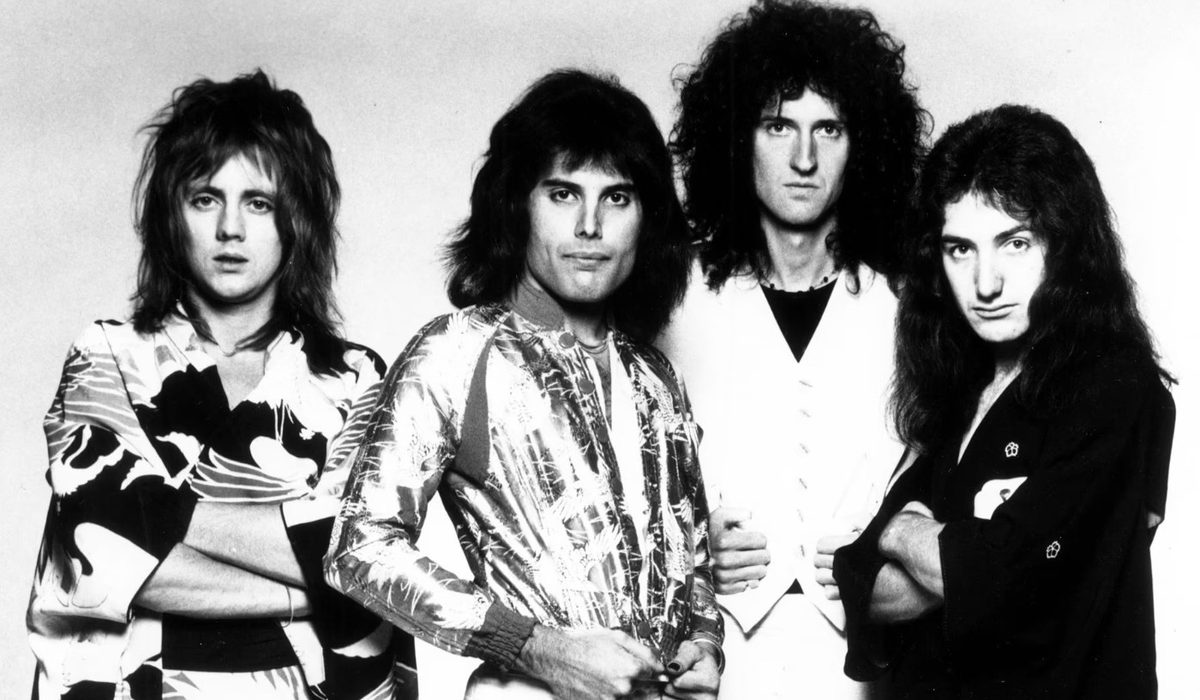
The video was shot on 10 November 1975 at Elstree by Bruce Gowers, in about four hours, for something near £4,500. Gowers later put the figures a little lower, closer to three hours and £3,500. Four faces, the diamond formation, the opera sung into the lens: that is the clip. It did not invent the song. It showed the faces that had already sung the splices.
After Mercury’s death the single went back to number 1 in Britain for five weeks in 1991. Wayne’s World in 1992 sent it up the American chart again, this time to number 2. None of that changes the tape from August 1975: a ballad, a gap, and a guitar solo that has to carry the listener back out. The nine weeks at number 1 were the public result. The work was the gap Baker was asked to hear before it existed.