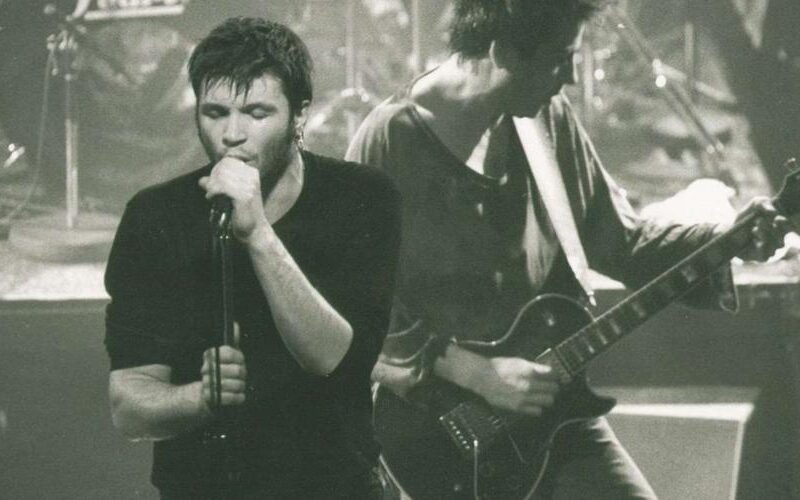

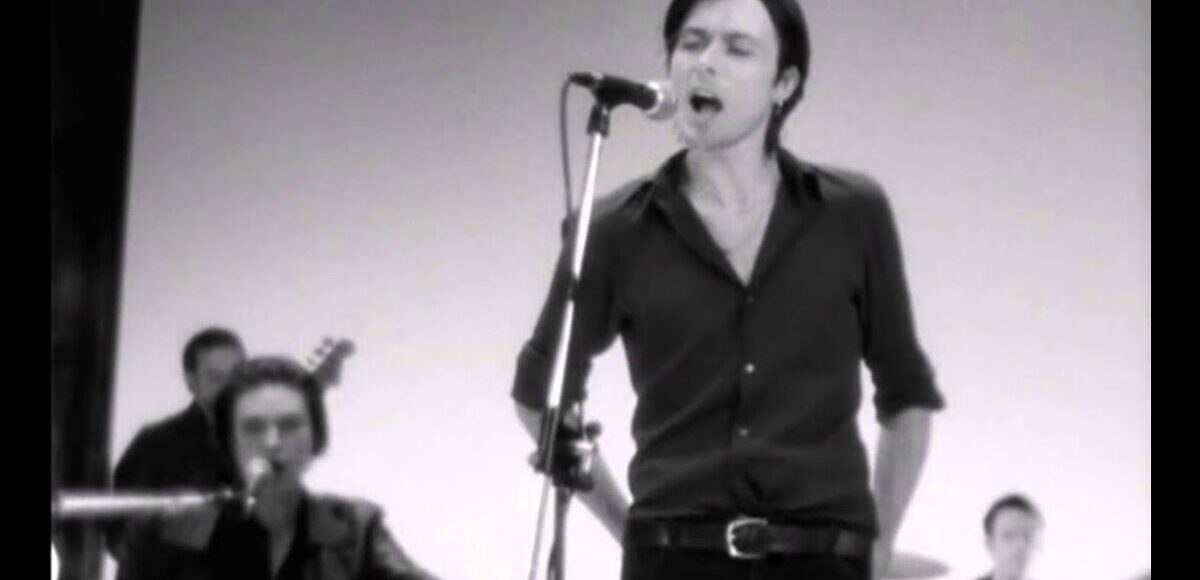
Brett’s howl, Butler’s guitar, then Oakes and a second act of hooks
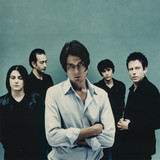
Brett Anderson and Bernard Butler were already writing together in London in the late 1980s before Suede had a name or a label. Mat Osman, who had been at school with Anderson, took the bass. Simon Gilbert came in on drums. The early songs mixed Bowie’s androgynous glam with the Smiths’ guitar economy and Morrissey’s English outsider mode, filtered through Anderson’s particular London: bedsits, borrowed glamour, the texture of a city seen from a window when you can’t afford the entry price.
Nude Records issued “The Drowners” in May 1992. The press responded immediately. NME put the band on their cover before they had released an album, which built pressure around the debut before it existed. Suede (1993) arrived with Butler’s layered guitar, a teenager playing with unusual authority, and Anderson’s vocal pitched somewhere between a howl and a croon. “Metal Mickey” and “Animal Nitrate” kept the chart momentum. The album won the Mercury Prize. Britpop had not yet been named; Suede’s theatrical indie rock was already on the magazine covers.
Dog Man Star (1994) was the more ambitious record, and the costlier one to make. Anderson and Butler’s working relationship fractured during the sessions; Butler left before the album was finished, though his guitar work stays on the record throughout, particularly on the orchestrated passages. Anderson’s lyrics widened the frame: suburbia, desire, drugs, English light. The album sold less than the debut and remains the most discussed record in their catalogue, the one the following generation often names first.
Richard Oakes joined as Butler’s replacement. He was eighteen. Neil Codling came in on keyboards. The reconstituted band made Coming Up (1996): shorter songs, sharper hooks, explicit pop intent. “Trash” was a minor-key anthem with a chorus that cut easily. “Beautiful Ones” and “Saturday Night” hit the UK top ten. The critical wing thought it a commercial retreat; the sales confirmed a different reading. Oakes’s guitar was efficient rather than ornate, and the dynamic between him and Anderson settled into something more workmanlike than the Butler years.
Head Music (1999) maintained the chart run, “Electricity” and “She’s in Fashion” kept the radio presence, while personal excesses within the band began affecting the recording schedule. A New Morning (2002) arrived quieter and more uncertain, and the group split in 2003. Anderson released solo material. Butler, who had already made albums with David McAlmont, worked on production and returned to the conversation periodically.
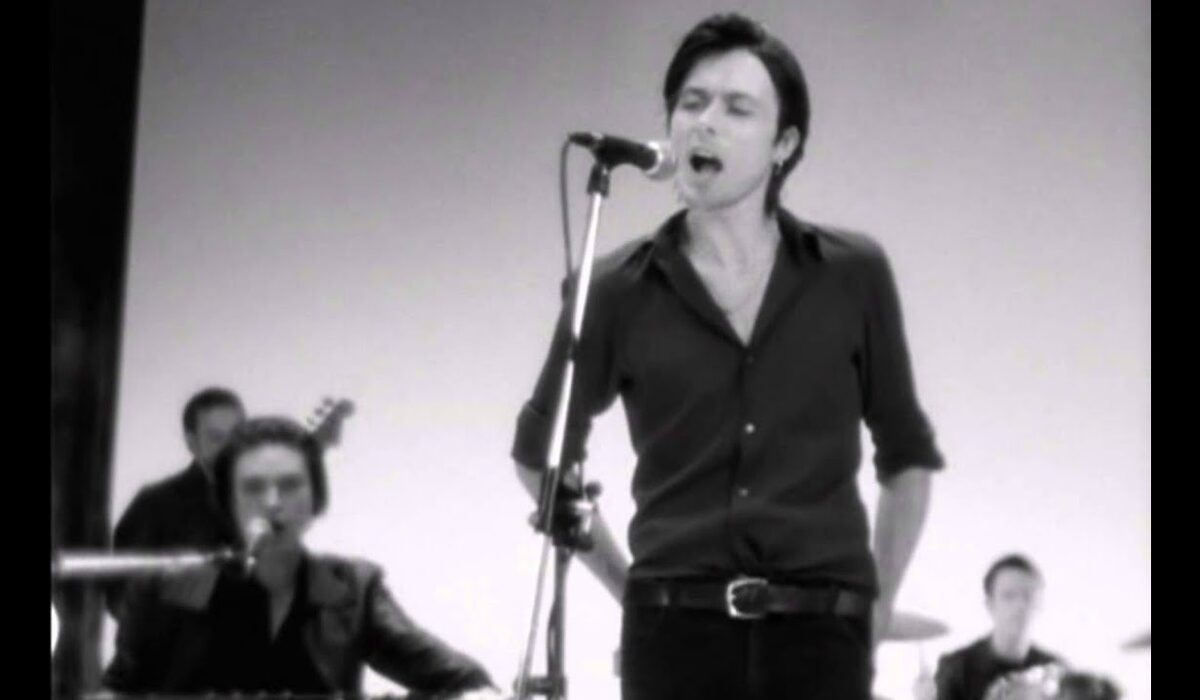
In 2010, the lineup of Anderson, Osman, Gilbert, Oakes, and Codling reformed. Bloodsports (2013) was sharper than most observers expected after a decade away. Night Thoughts (2016) arrived with a companion film. The Blue Hour (2018) went back toward Dog Man Star’s orchestral ambition. Autofiction (2022) stripped the production deliberately bare, and Antidepressants (2024) kept the band in the room. The reunion produced five albums across a decade, an unusual second run that stands on its own rather than simply reviving the first.
The American market received them as The London Suede, after a trademark dispute with a US country act of the same name. That meant the early breakthrough ran largely without US album chart exposure, and several of the significant records reached American listeners through later reassessment rather than original release cycle.
What drives the music is Anderson’s voice, a stretch of vowels and a theatricality that never fully relinquishes camp, against a guitar that works for drama rather than virtuosity. Whether Butler or Oakes held the six-string, the priority was the dynamic: loud-quiet-loud, emotional sweep, the lyric given space to land. This distinguished Suede from Blur’s angular art-rock and from Oasis’s straight-ahead classicism. The emotional excess was the point, not a side effect.
Start with Suede (1993) for the debut energy and Butler’s guitar at full intensity. Dog Man Star for the ambition and the writing at its most developed. Coming Up for the pop efficiency of the second lineup. Bloodsports to prove that the reunion was not purely ceremonial.