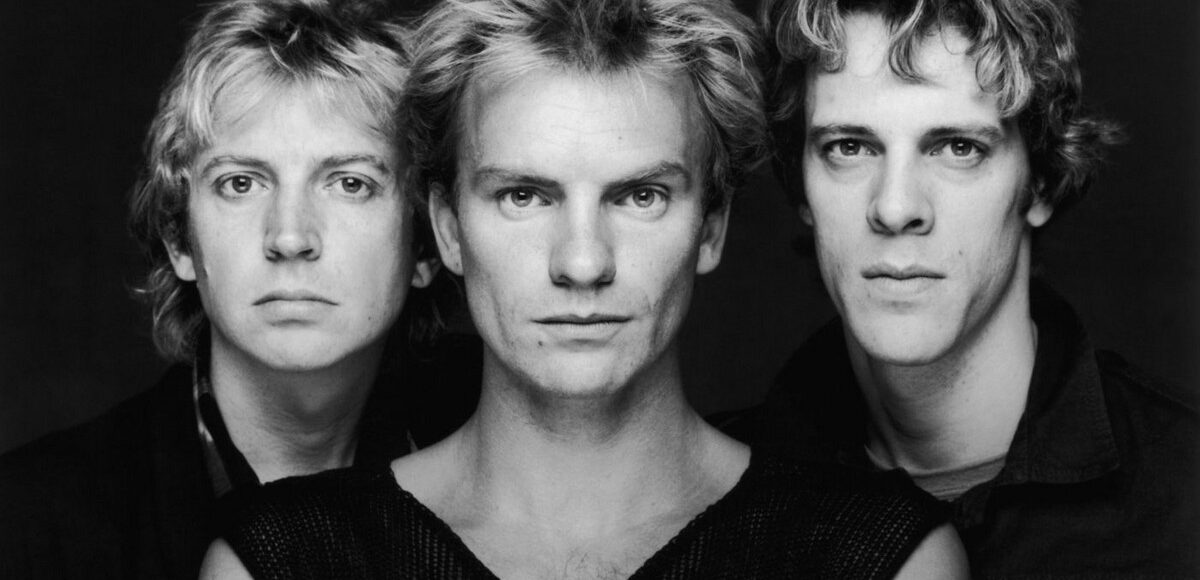
From Roxanne to Synchronicity: reggae space, rock hooks, and a trio that held together by friction
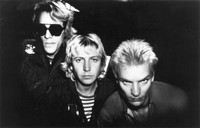
In early 1977, Stewart Copeland, an American-born drummer who had been playing with the British group Curved Air, placed an ad in Melody Maker looking for musicians. Gordon Sumner, a bass player and singer who went by the name Sting, answered. Andy Summers joined later that year, replacing two guitarists who were not working in the format. To fulfill a commitment for a chewing-gum advertisement that needed young people who looked like they were in a band, the three bleached their hair blond. The visual shorthand stuck well past the commercial.
Copeland’s drumming background was plural: American schooling in rock, reggae off-beats absorbed from his time working with Eberhard Schoener on electronic sessions, and a jazz economy that came from listening as much as from conservatoire training. Summers had played with Kevin Coyne, Zoot Money, and the Animals and knew how to use chorus and delay to give a single guitar line thickness without filling every gap in the arrangement. Sting, a schoolteacher and trained musician from Wallsend in northeast England, wrote bass lines that moved horizontally and independently while his voice worked the top register.
Outlandos d’Amour (1978), recorded quickly and cheaply, carried “Roxanne” and “Can’t Stand Losing You.” American radio was slow to move on both; British and European rooms came first. The production was dry and close: low reverb, the tempo gaps left open, the reggae off-beat in the rhythm section audible without being labeled. Reggatta de Blanc (1979) and Zenyatta Mondatta (1980) then stacked UK number ones with sustained speed: “Message in a Bottle,” “Walking on the Moon,” “Don’t Stand So Close to Me,” and “De Do Do Do, De Da Da Da” all arrived within two years.
The reggae influence was structural rather than decorative. Copeland’s hi-hat patterns borrowed from Jamaican riddim practice: the accent on the off-beat, space left around the bass line, a snare that arrived clean rather than in a reverb wash. It gave the songs a bounce that straight new-wave tracks lacked and a clarity that full-band rock would have obscured. “Walking on the Moon,” slow and genuinely spacious, makes the principle plain: a rhythm section that knows where not to play is more interesting than one filling every bar.
Ghost in the Machine (1981) added horn arrangements and denser production without collapsing the trio silhouette. “Every Little Thing She Does Is Magic” was built on a lighter arrangement and a tempo different from the reggae-rock template, and became one of their biggest singles on those terms. Synchronicity (1983), produced with Hugh Padgham at AIR Studios and Pathé Marconi in Paris, pushed further into studio clarity: clean textures, a production informed by what Peter Gabriel and Phil Collins were making at the same time. “Every Breath You Take” spent eight weeks at number one in the United States.
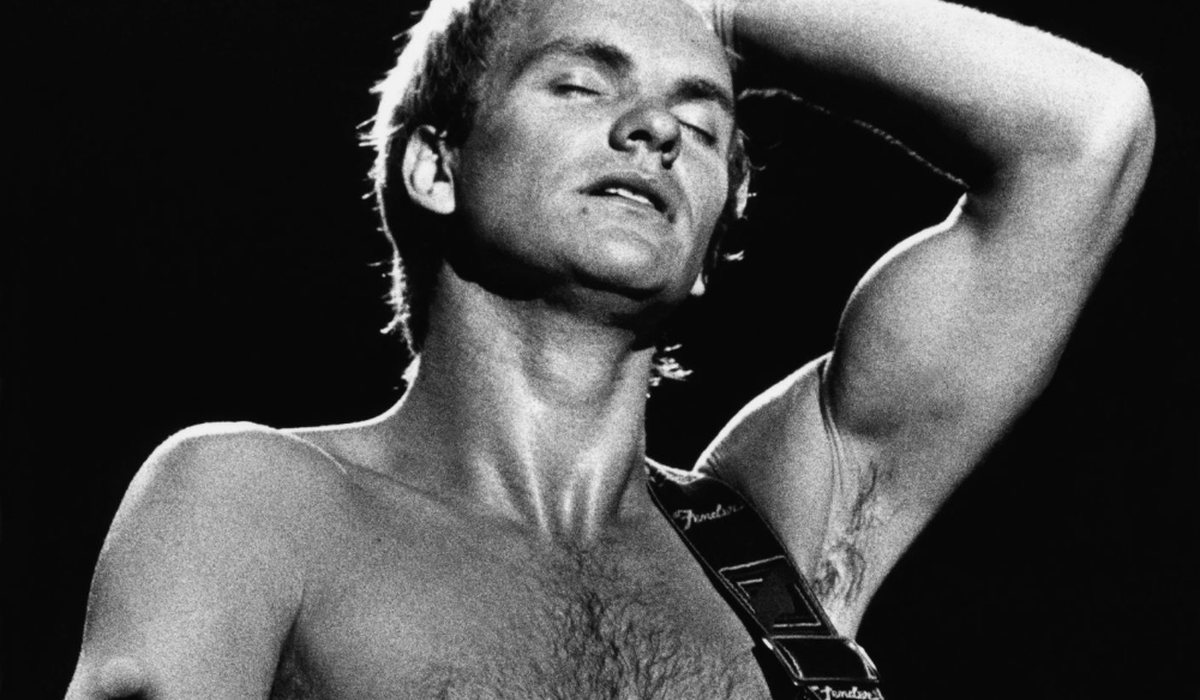
The friction inside the band was well documented and audible. Three writers in a format that put one name on the marquee produced tension during sessions and on tour. Copeland and Sting’s disagreements over arrangement direction and writing credit made recordings difficult toward the end. The Synchronicity tour was their last. Sting went solo with jazz-pop inflections and significant commercial success. Copeland scored films and opera and composed for orchestras. Summers continued recording and writing, including collaborations with Robert Fripp.
A reunion world tour in 2007 and 2008 became one of the highest-grossing tours of that period. Three short albums and a clear run of singles had produced enough material to fill arenas forty years later without leaning on nostalgia packaging. The trio did not extend the reunion into a new studio record, and the door has stayed closed since.
Distinct from contemporaries: less angular than Wire or the Gang of Four, less purely electronic than Soft Cell or Ultravox, less confrontational than the Clash. Closer in format to XTC or Elvis Costello and the Attractions, but more commercially focused and better suited to the transatlantic market. What set them apart within that group was the rhythm section’s genuine musicianship: Copeland and Sting were creative players with strong individual ideas, not simply competent professionals.
Start with Outlandos d’Amour for the raw, cheap original. Synchronicity for the polished peak and the chart context. The middle albums, Reggatta de Blanc and Zenyatta Mondatta, show the reggae-rock hybrid in its most productive working form. “Roxanne,” “Message in a Bottle,” and “Every Breath You Take” are the three songs that follow the group everywhere, and each is slightly different in approach and in feel, which is part of what makes them useful as entry points rather than just radio staples.
Five albums in five years, then silence, then a brief and lucrative return. The Police are a case study in bands that chose economy over longevity. The songs stay in heavy rotation because the arrangements still work: room left in the mix, bass line audible and moving, chorus delivered without excess, tension between the players audible in the groove.