




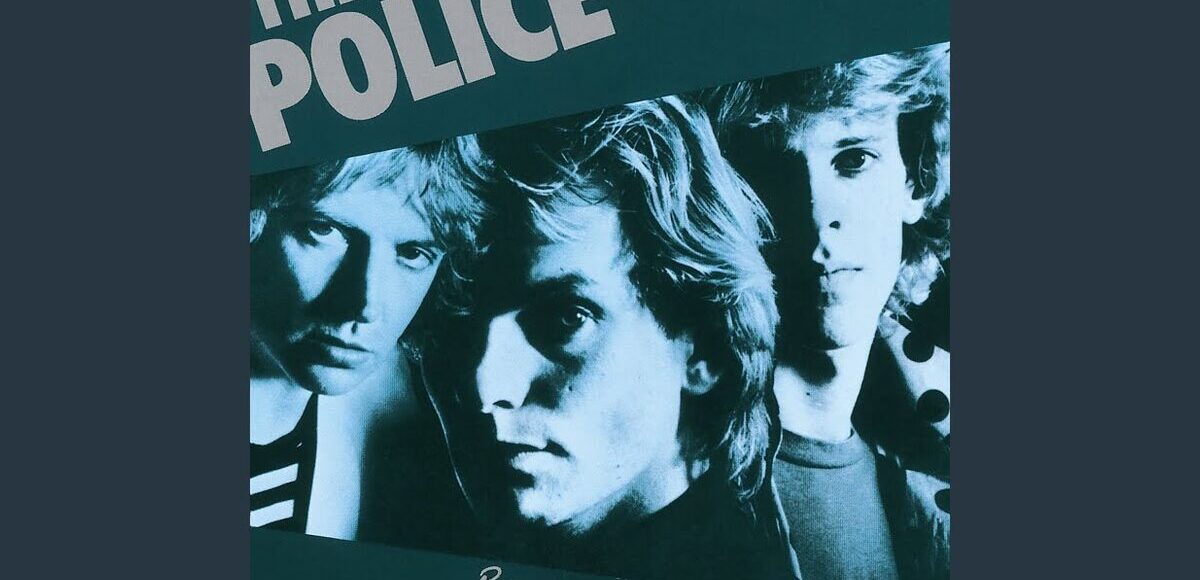
1979 Reggatta deep cut rooted in Last Exit
Bring On the Night sits mid-album on The Police’s 1979 A&M release Reggatta de Blanc, while the trio were deep into reggae-leaning space and restrained mixes. Andy Summers spreads chiming chords with lots of air. Stewart Copeland’s drums dodge the obvious heavy backbeat. Sting sings low, almost conversational. The bones come from his earlier Newcastle band Last Exit. Rewritten with fewer notes and more silence, the melody has room to sit instead of racing toward a shout chorus.
Lines like “The afternoon has gently passed me by” fix the song in insomnia and waiting. In 1979 Britain sat between punk’s hangover and a colder political climate. The Police answered with taut songs that implied strain without speechifying. This track does not demand attention the way Message in a Bottle does. It arrives quiet and stays at a calm walking pace. Bass steps carefully. Guitar hangs. The vocal never raises to arena size. You absorb it more than you sing along.
Years later Sting rebuilt the song onstage with jazz textures for the Bring On the Night live project (1985 and 1986), proving the harmony already had stretch. The studio version keeps the tension in how few parts speak at once. Copeland’s kit sketches around the vocal rather than hammering a dance floor pattern. Summers leaves gaps between chords. That economy is the point of the album’s reggae-informed writing: leave space, trust the silence, let one guitar figure carry mood.
Reggatta de Blanc gave the band UK No. 1 singles and a clearer international profile after Outlandos d’Amour. Deep cuts like this one show why album buyers stayed for more than the hits. The Police could do radio hooks and still place a twilight piece that refuses to hurry. Later cover versions and live jazz readings underlined the same truth: the chord sequence was built to travel. The 1979 tape remains the leanest statement of that idea.
Context around the album helps explain the mood. The trio recorded fast and lean after the surprise success of the first record, with producer Nigel Gray at Surrey Sound. Reggae patterns were not costume; they were a way to leave gaps in rock arrangements that still had to work on UK radio. Bring On the Night is one of the clearest results of that choice. No harmonica solo, no sax break, no stacked shout. Just bass, drums, guitar, and a vocal that stays plain about the late hour.
The title symbolizes embracing darkness to find inner strength.
(New York Times, 1985)
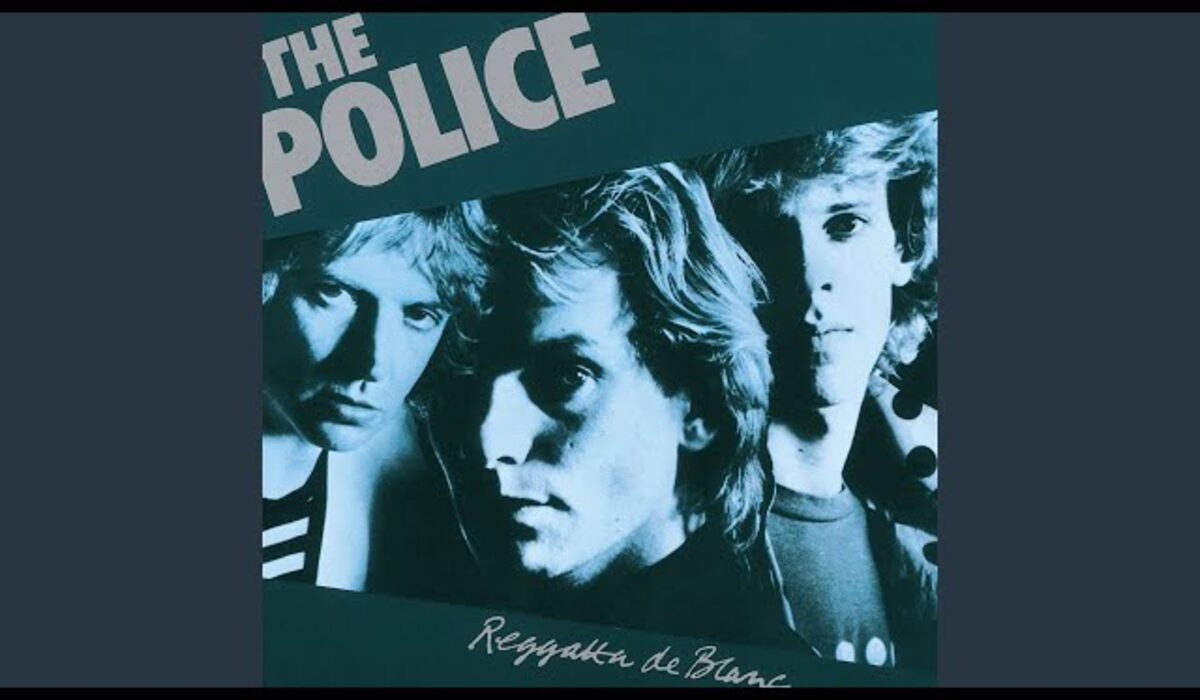
Play Bring On the Night between two louder Police singles and the set drops in volume and pace. Sting’s later big-band versions are instructive, but the trio cut is still the document: three players, careful drums, and a lyric that waits rather than argues.
It was never the single they led with. It shows how much air Reggatta could hold when the band left silence in the arrangement.


Noah | 12 October 2026
|
Not my usual lane but Bring On The Night got me. Fair enough.
Dan | 13 October 2026
|
The production notes here made me replay Bring On The Night twice. Nice catch.
Rita | 14 October 2026
|
Short take: the groove on Bring On The Night still feels unfair. Also the comments section on old forums was wild about this.
Bruno | 15 October 2026
|
My dad played The Police in the car. Bring On The Night is basically my childhood commute. I told my coworker and they shrugged. Their loss. Good piece.
Ray | 15 October 2026
|
I argued with my brother about Bring On The Night for years. This is my exhibit A.