
Vince Taylor cover that opens London Calling
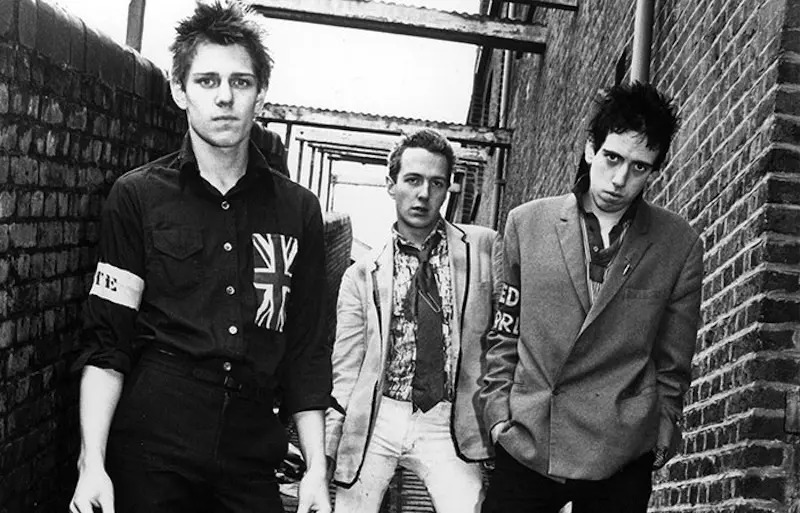
It opens with a guitar snarl that leaves no warm-up. Within seconds you are inside The Clash’s take on Brand New Cadillac, the 1959 Vince Taylor rockabilly number they parked near the front of London Calling (1979). This is not a polite tribute set in mothballs. Mick Jones’s guitar chugs like a car with the rev limiter ignored. Joe Strummer yelps the lyric as if the shiny Cadillac is also a class joke and a getaway plan. Paul Simonon’s bass stays locked and mean. Topper Headon’s drums keep the straight-ahead push. The double LP was already stretching punk into reggae, soul, and newsreel politics; this cut is the cold start that proves they could still do short, rude, and blues-adjacent without a committee meeting.
The Clash rarely dealt in nostalgia as a career plan. Their brief was forward: musical, political, street-level. Yet Brand New Cadillac works as a salute to early rock ‘n’ roll filtered through late-70s London diesel, squat amps, and Wessex Studios pressure. It is short, loud, and unashamed. Under their arrangement the lost-lover plot reads more like speed, money, and alienation wearing leather. Strummer’s voice sits half thrilled, half betrayed, which keeps the cartoon lyric from staying cartoonish.
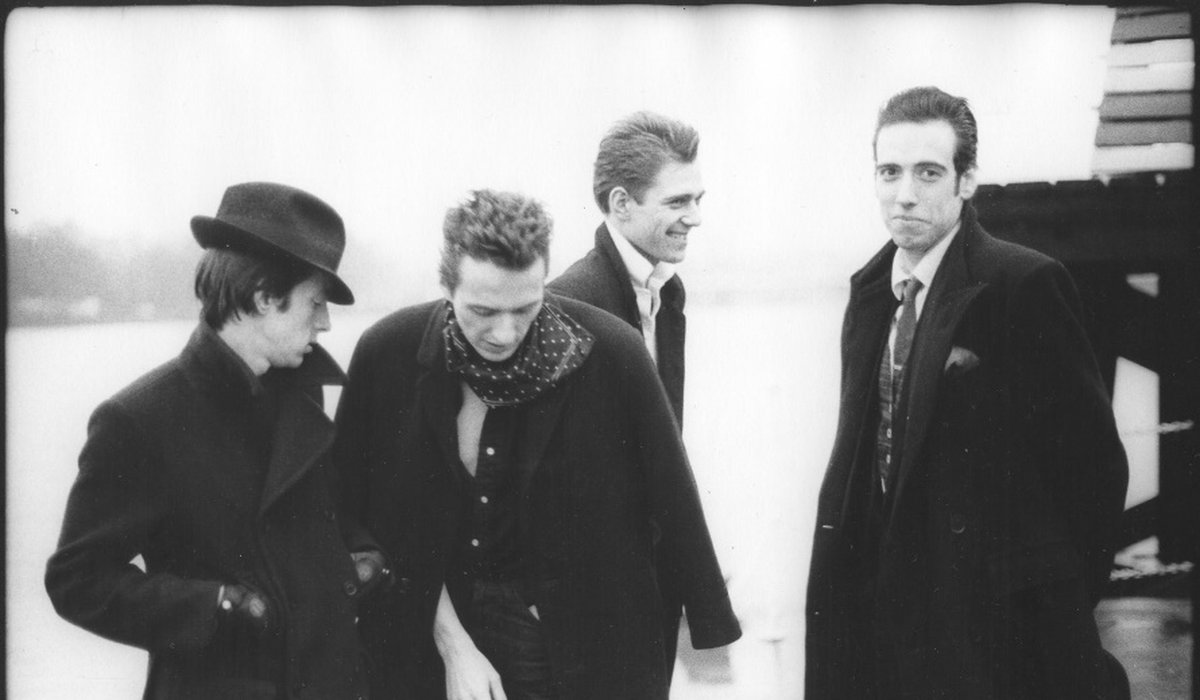
It was not even meant for the album as a polished set piece. The band ran it as a studio warm-up; producer Guy Stevens hit record without a formal take announcement. What you hear is essentially a first pass. Stevens was famous for chaos in the room, furniture included, when he wanted nerve over neatness. That instinct stuck on tape: the song still sounds one corner away from leaving the road, which is why it still wakes up a side of London Calling that could have drowned in ambition and overdubs.
By 1979 punk was already splitting into new wave, post-punk, and two-tone. Brand New Cadillac sits on that hinge: a 1950s shell with 1970s urgency. Four working-class Londoners turn borrowed chords into a live-set weapon. Live, crowds lost it not because the single charted as a flagship hit, but because the tempo and riff left no space to stand politely between songs about unions, radio clamps, and Spanish bombs.
The track also sketches the band’s method in miniature: stolen parts, extra fury, no single lane. No manifesto required when the adrenaline per second is this high. On London Calling it remains the proof that The Clash could honor rockabilly without sanding off the scrape, and that Guy Stevens’s messy instinct sometimes beat a third take every time.