
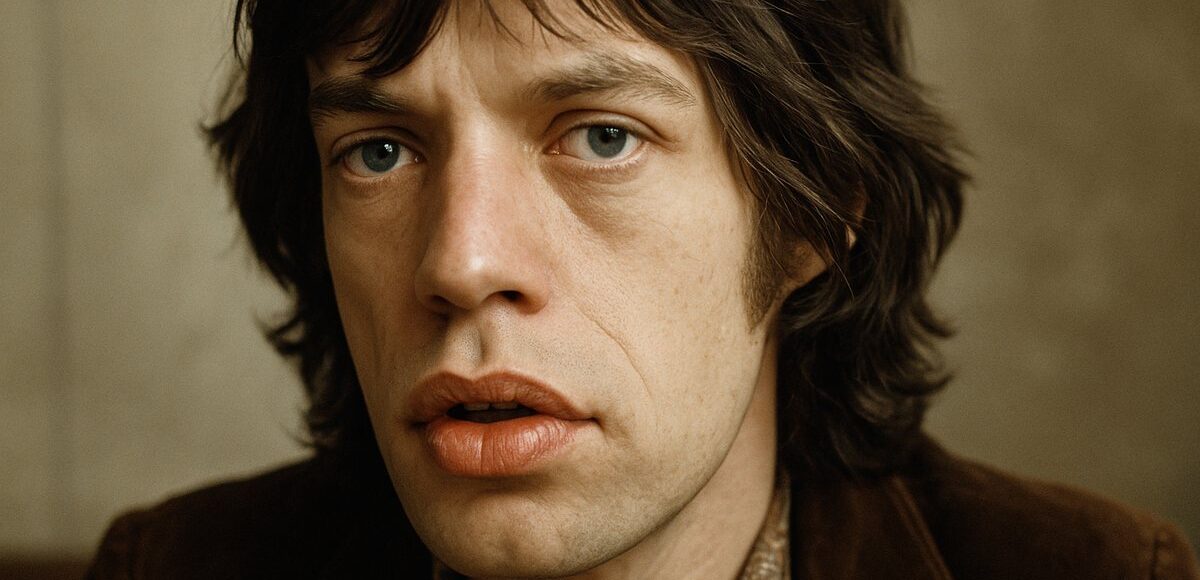
London 1962 onward: Chess covers, Jagger’s bark, Richards’ open-G, and a catalogue that kept touring
In London in 1962, Mick Jagger, Keith Richards, Brian Jones, Bill Wyman, and Charlie Watts locked a blues and R&B repertoire into a working band that refused to stay a club act. They covered Chuck Berry and Muddy Waters with an urgency that sounded like theft and tribute at once. By 1965, “(I Can’t Get No) Satisfaction” turned a fuzz riff into a generational complaint. The Stones were never the polite face of the British Invasion. They were the sneer next to it.
Jagger and Richards grew up in Dartford, reconnecting on a train platform over blues records. Jones assembled the early lineup and named the group after a Muddy Waters song. Watts brought jazz discipline to the drums. Wyman held the bass until 1993. That core, once Ron Wood replaced Jones after 1969, became one of the longest-running engines in rock.
Their first original streak ran through Aftermath (1966) and Beggars Banquet (1968), where Richards’ open-G tuning and Jagger’s lyrics about class, sex, and violence found a British voice for American roots. Let It Bleed (1969) and Sticky Fingers (1971) added gospel undertow, country sidemen, and Mick Taylor’s fluid lead guitar. Exile on Main St. (1972) recorded in chaos in France still ranks as the benchmark double album for dirty swing.
Influences stayed visible on every setlist: Chicago blues, soul horns when they wanted radio, reggae touches on Some Girls (1978), dance flirtation on Dirty Work (1986) whether fans liked it or not. The band absorbed trends without pretending to be young. Jagger studied movement and media; Richards treated the riff as daily craft.
The 70s brought stadiums, drug headlines, and Taylor’s departure. Wood’s slide-friendly style changed the live attack without ending the juggernaut. Tattoo You (1981) proved they could still mint hits with “Start Me Up” and “Waiting on a Friend.” The 80s and 90s mixed solo side projects with massive tours branded as corporate events, yet the stage remained the proof.
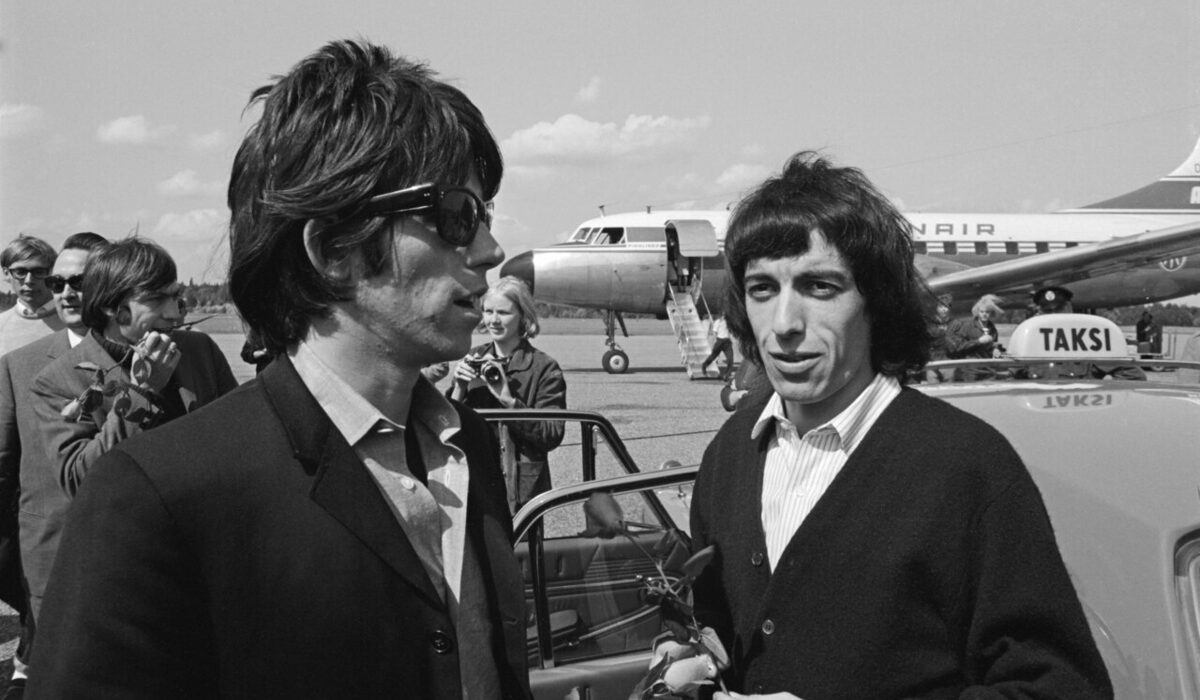
Sonically, listen for Richards’ rhythm guitar chopping against Watts’ straight time, Wood or Taylor filling leads, and Jagger’s bark-plus-croon switching within a verse. Records from the 60s and early 70s often feel close and mono-heavy; later productions add polish but the live band still wins arguments in arenas.
Entry points are generous because the catalogue is deep. Beggars Banquet and Let It Bleed for the classic run. Sticky Fingers for swagger and slow blues. Exile on Main St. when you want the messy double. Some Girls for the disco-blues collision. Add “Gimme Shelter,” “Sympathy for the Devil,” “Jumpin’ Jack Flash,” and “Tumbling Dice” to one playlist and you hear four decades of the same attitude.
Beside The Beatles, the Stones shared chart dominance but traded studio invention for road grit. Beside The Who, they shared British rebellion but with less opera and more Chicago shuffle. What distinguishes them is endurance: the same two songwriters and a rhythm section identity still selling stadiums sixty years after the Crawdaddy Club.
They deserve attention because they kept blues-based rock in the mainstream far longer than almost any peer. The records document how cover bands became authors, how authors became brands, and how brands still sound alive when Richards hits an open chord and Watts counts in. That continuity is rare, and it is still clearly audible on any live album where the tempo never rushes.
Documentaries and reissue campaigns in the 2000s and 2010s reframed the catalogue for listeners who knew the hits before the album sides. Hyde Park broadcasts, stripped club shows, and blues tribute nights with guest guitarists all pointed to the same truth: the songs survive because the groove is conservative, the riffs stay portable, and the lyrics still bite when Jagger chooses to mean them.