




Bay Area 1967-71: Stand!, Woodstock, then Riot slows the groove
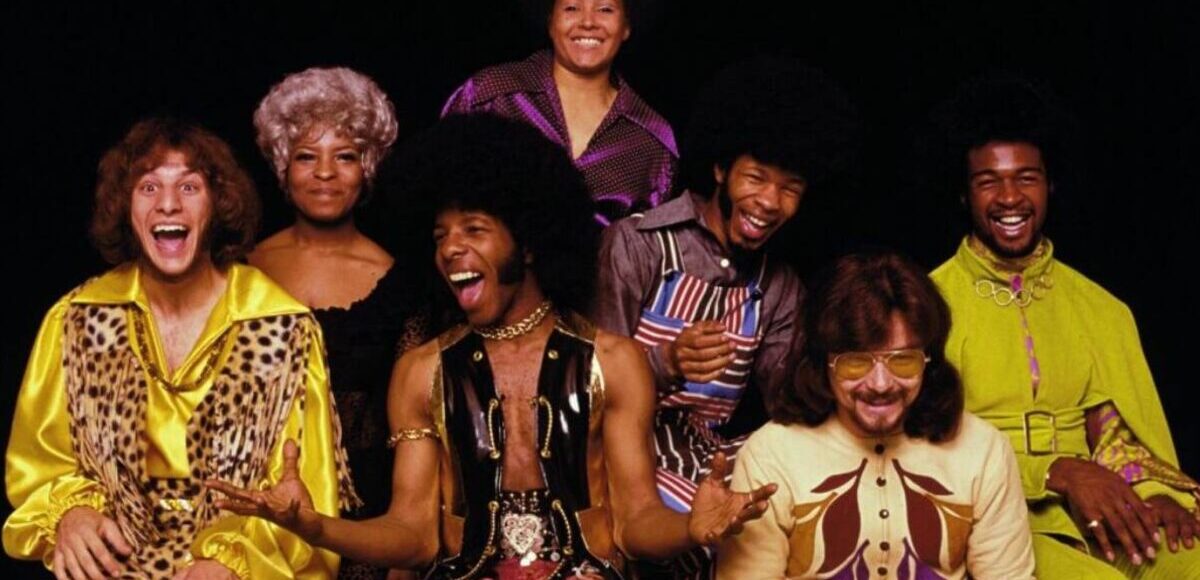
Sylvester Stewart arrived in the San Francisco Bay Area with a background in radio deejaying, record production, and enough musical theory to hear, in 1967, a gap that blues rock and straight soul were not covering. He assembled Sly and the Family Stone around a concept that was unusual enough to be noticed immediately: a multiracial, mixed-gender group where everyone played, everyone sang, and the roster read like a family. Freddie Stone, his brother, on guitar. Rose Stone, his sister, on keyboards and vocals. Larry Graham on bass. Cynthia Robinson on trumpet. Jerry Martini on saxophone. Greg Errico on drums.
The debut A Whole New Thing (1967) on Epic Records showed the idea before the public was fully ready for it. Dance to the Music (1968) was the breakthrough: the title track sent a simple instruction to dancers and made the instruction itself the hook. Life (1968) arrived quickly in the same year. By Stand! (1969), the band had found the version of themselves that would outlast everything else: an album that opened with the ten-minute “Sex Machine” and contained “I Want to Take You Higher”, “Everyday People”, and “Sing a Simple Song” within its run, each one engineered to work as a dance record, a statement of intent, and a radio single simultaneously.
“Everyday People” reached number one on both the pop and R&B charts, making a point that Sly had built into the band’s structure from the beginning: music that treated integration as a working practice rather than a press release. The bass lines, the horn stabs, the vocal stacks that called and responded across the full range of the group’s voices, the parts were arranged so the record already sounded like a room dancing.
Woodstock in August 1969 put the band on the global stage. Sly and the Family Stone played at around 3 a.m. to an audience of hundreds of thousands, and the performance, captured on film and on the Woodstock soundtrack, remains one of the clearest demonstrations of what the band could do at full energy. The rhythm arrangements locked together and came apart and locked again. Cynthia Robinson’s trumpet cut through the bass and drums. Sly moved between instruments and microphone with the ease of a bandleader who trusted every member on stage.
There’s a Riot Goin’ On (1971) was the pivot and the shock. Where Stand! had been an open, celebratory record, Riot was murky, claustrophobic, and recorded largely at home with drum machines sitting alongside live players. “Family Affair” reached number one as a single that sounded exhausted rather than triumphant, which was its own kind of honesty. The production was thick, slow, and deliberately difficult in places. It remains one of the stranger and more influential American albums of the decade, and a model for the slower, more uneasy funk that came after.
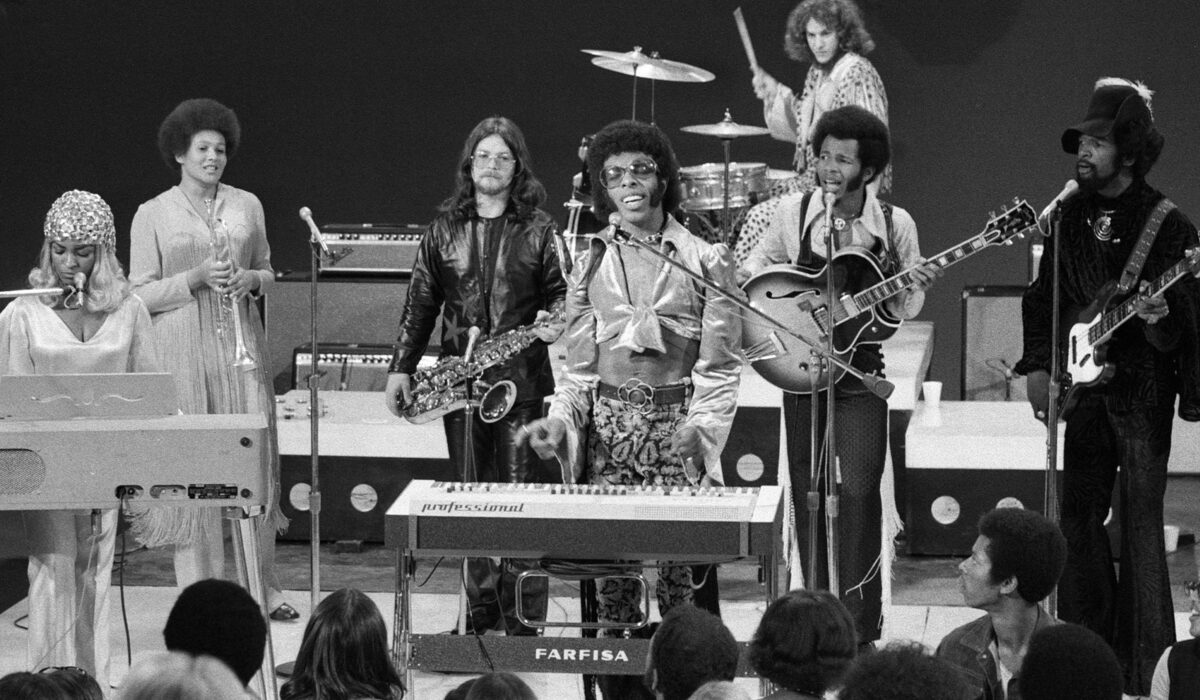
Fresh (1973) and Small Talk (1974) continued the run, though Sly’s reliability was becoming a recurring issue. Missed concerts, erratic behaviour in and out of the studio, and lineup changes, including Larry Graham’s departure in 1972, changed the band’s chemistry. Graham’s slap bass technique, developed partly in response to the Family Stone’s specific onstage sound system setup, went on to define the rhythmic vocabulary of disco and funk throughout the decade and to influence every bassist who came after him. After he left, that bass sound left with him.
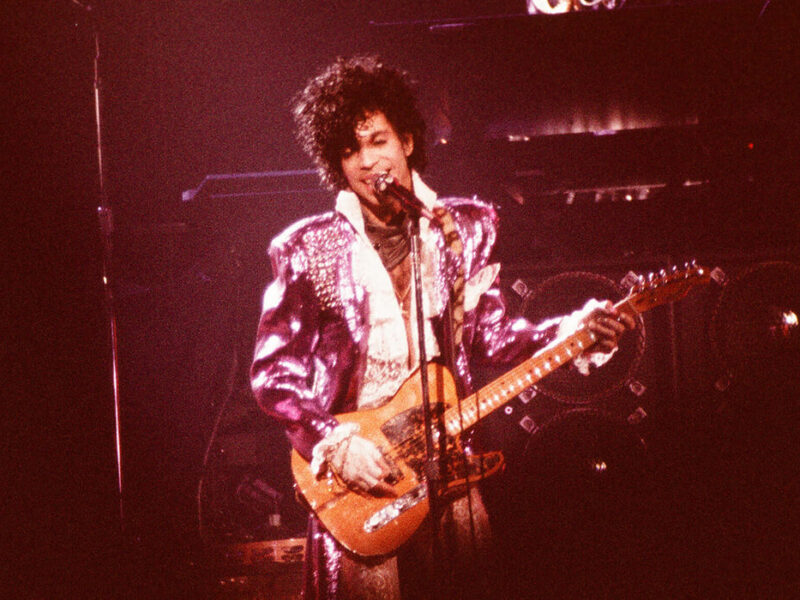
The influence of the early Epic run radiated outward in several directions. Prince absorbed both the racial politics and the rhythmic architecture of the Family Stone’s arrangements; Parliament-Funkadelic, George Clinton’s expanding universe, took Sly’s communal performance concept and pushed it into theatrical territory. Hip-hop producers from the 1980s onwards sampled the group extensively, particularly the isolated drum breaks and bass patterns from Riot and Fresh, creating a second life for the catalogue in a genre that was still being invented when Sly’s most productive period ended.
Stand! and There’s a Riot Goin’ On are the two records that still define the band. Stand! is open and loud, with the horns and the voices arranged for a dance floor. Riot, two years later, is slow and murky, and it does not dance the same way. The group released both close together. Later players kept going back to each of them, and both records stayed the references people use, not side notes in the catalogue.
Start with Stand! for the full, daylight version of the Family Stone, and listen to “I Want to Take You Higher” to understand what a large band playing together with real collective momentum sounds like. Move to There’s a Riot Goin’ On for the contrast, and to Fresh for something in between. “Everyday People” is the short one, and it still says a lot in very little time. It hit number one on the pop chart and the R&B chart, named the situation in plain language, and the groove is why it stayed on the radio and on the dance floor.

Maya | 5 October 2026
|
Gateway band for a lot of friends. Me too, not ashamed. Also the comments section on old forums was wild about this.
Marie-Claire | 6 October 2026
|
I like when writers talk players, not just myths. Good job here. Coffee got cold while I finished the article. Acceptable.
Priya | 7 October 2026
|
Saw Sly & The Family Stone once. Messy, loud, worth it. This piece nails the vibe.
Sam W. | 8 October 2026
|
Saw Sly & The Family Stone once. Messy, loud, worth it. This piece nails the vibe. That is all.
Alex | 9 October 2026
|
Sly & The Family Stone taught me to listen for the rhythm section first. Fight me.
Anne | 10 October 2026
|
sly & The Family Stone taught me to listen for the rhythm section first. Might be recency bias but I do not care today.
Bea | 11 October 2026
|
Short take: Sly & The Family Stone still sounds like a band, not a brand. I told my coworker and they shrugged. Their loss.
Marc G. | 11 October 2026
|
This made me pull three albums in a row. Productive evening.
Diego | 12 October 2026
|
Underrated catalog honestly. People only quote the obvious singles. Might be recency bias but I do not care today.
Sofi | 13 October 2026
|
sly & The Family Stone taught me to listen for the rhythm section first. Coffee got cold while I finished the article. Acceptable.
Olivier | 14 October 2026
|
Still one of the few bands where every era of Sly & The Family Stone has a door in. Replay button abused.
François | 14 October 2026
|
I keep rediscovering sides of Sly & The Family Stone I slept on. Annoying and great. Also the comments section on old forums was wild about this. Needed that.
Rita | 14 October 2026
|
Put on a random Sly & The Family Stone deep cut after this. Paid off. Replay button abused.
Ben | 15 October 2026
|
My older sibling forced Sly & The Family Stone on me. Best bullying ever. I told my coworker and they shrugged. Their loss.
Rosa | 16 October 2026
|
Put on a random Sly & The Family Stone deep cut after this. Paid off.