
Tea, oranges, and the mind’s hand
A nylon-string guitar keeps a patient pulse, and the voice arrives already tired in the most precise way, as if it had walked to the river before the tape started. Suzanne does not raise its volume to prove intimacy. It names a room, a harbour, a woman feeding tea and oranges, and lets the distance do the work of desire. The melody barely climbs. It circles, the way a person circles a fact they have decided not to touch.
Leonard Cohen recorded the song in 1967 at Columbia Studio E in New York with producer John Simon, for Songs of Leonard Cohen, released that December. Judy Collins had already cut it in 1966 on In My Life, which is why the composition reached ears before the author’s own album did. The Suzanne of the lyric was Suzanne Verdal, then living in Montreal near the St. Lawrence after her separation from the sculptor Armand Vaillancourt. Cohen has always kept the scene physical and the contact mental: boats passing, a loft, a body known by attention rather than by possession. Simon’s production leaves the guitar almost bare. The song does not need a drummer to feel like a room with a window open on water.
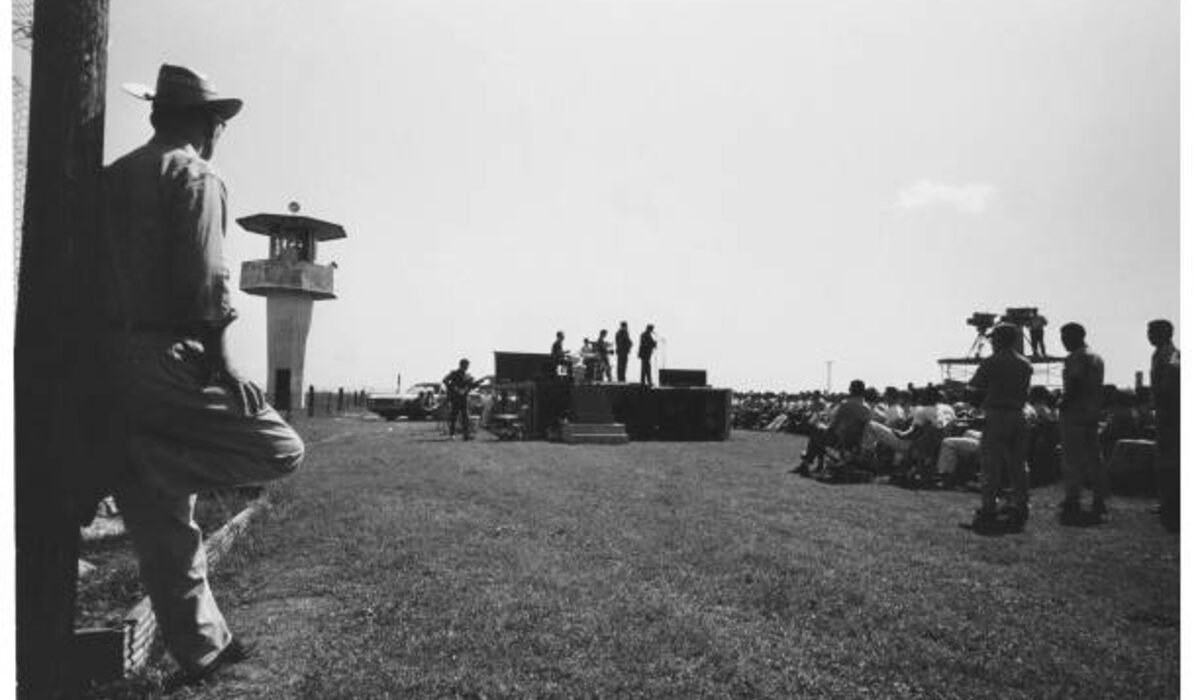
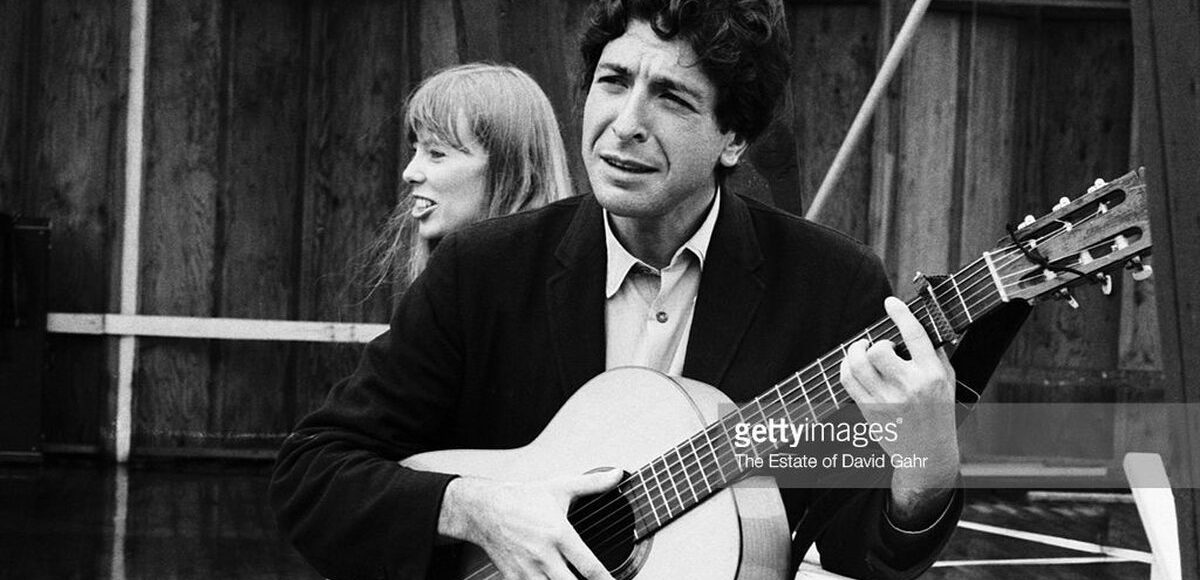
In concert the piece became a rite of quiet. Cohen sang it seated, the chord shape hardly moving under his fingers, while audiences supplied the hush that studios have to invent. He changed little. The refusal to dramatise was the performance. Where other singers of the late sixties reached for lift, he trusted a near-spoken line and a harbour light. The religious second verse, Jesus as a sailor, does not break the spell. It widens the same river.
We were never lovers of the flesh but on a very deep level we were.
(Suzanne Verdal, The Guardian, 2008)
Listeners mistook the calm for confession and the confession for a love affair. Verdal, years later, described a closeness that stopped short of sex and still felt like a union, which is exactly the temperature of the recording. The song travelled by other voices, Collins first, then a long line of interpreters who added polish Cohen had declined. None of them improved the original’s odd courage: a hit that whispers, a portrait that will not claim the sitter.
What remains is the ethics of the distance. Suzanne taught a certain kind of writer that detail can be more erotic than climax, and that a city can be a chord. Montreal is in the damp of the lyric. So is the decision to leave the perfect body where it was, and to let the song be the only hand that arrives.