




Viva la Vida, 2008: three movements, no chorus, ninth try named 42
Piano and strings open quietly, close to rehearsal volume. The tempo then changes, Jonny Buckland’s guitar comes in, and the last section stacks loops, drums, and more piano. 42, from Viva la Vida or Death and All His Friends (2008), leaves the usual verse-chorus shape. There is no chorus to sing back on a first listen. The band had spent about two years trying to finish a song without verses or chorus. This was the take that finally worked.
Brian Eno shaped the album sessions, pushing the four toward colour and risk rather than another polished radio copy. By late February 2008 they were mixing in their North London headquarters while Eno had briefly left for U2 work. Rolling Stone caught Chris Martin calling Buckland back to recut guitar after someone said the middle of 42 sounded like Radiohead. “There’s nothing wrong with sounding like Radiohead,” Martin said. “It’s just, when I hear it in my head, that’s not how it sounds.” He told MTV the title was his favourite number, and that every failed attempt at the same idea had also been called 42. Buckland used an ostrich tuning, all strings to F, which gives the middle section a tight, unusual sound.
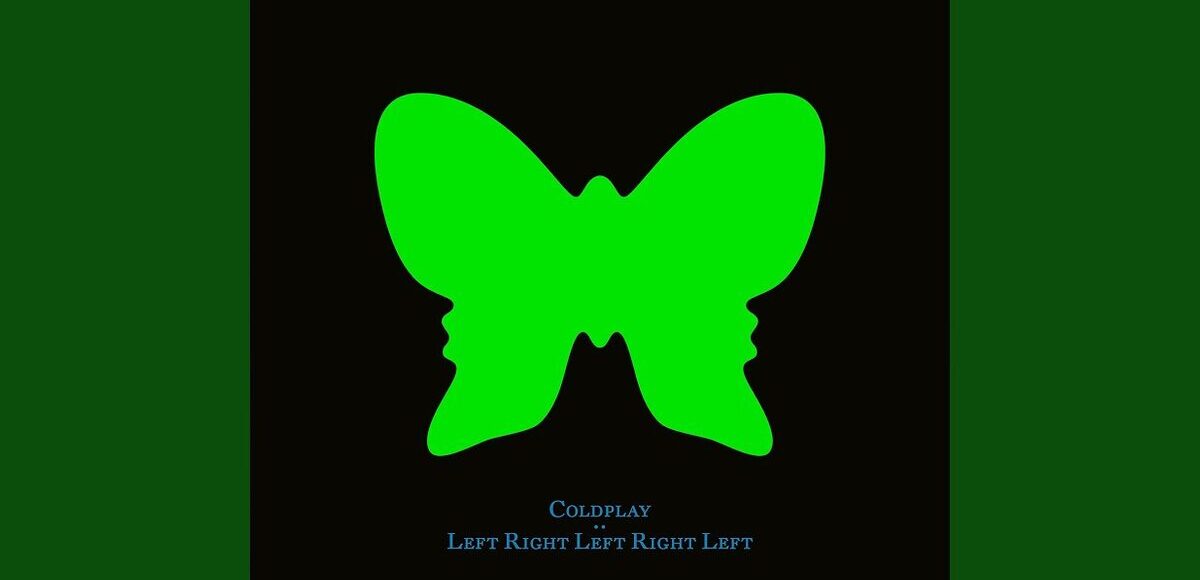
A live take from Madrid in 2008 landed on the free live album LeftRightLeftRightLeft the following May. On the Viva tour the song sat near the front of the set: piano first, then the rock middle, then the stacked ending that needed the PA to stay clear. Television slots such as Later… with Jools Holland put the three-part shape in front of a studio audience that had to follow the turns without a chorus to lean on. Buckland’s middle section still uses the ostrich tuning, every string set to F.
Buckland described the three-part shape as intentional: no chorus, just sections that change pace and volume. Death-and-afterlife lyric fragments sit over a rhythm that does not settle on a tidy pop chorus. Festival sets sometimes played the middle section on its own.
We’ve been trying for about two years now to record a song that didn’t have any chorus and didn’t really have any verses… and 42 was the only time we were able to do it successfully.
(Jonny Buckland, on 42)
Critics noted the Brian Eno influence and the ambition in the arrangement. Fans learned the structure by playing the album twice. The track never needed to be a single to matter inside the Viva cycle: Coldplay played it in arenas, and the crowd had no chorus to sing along to.
On another play the piano still opens 42. The guitar entrance still changes the pace. The last minute still does not turn into a chant. On Viva la Vida or Death and All His Friends the song stayed an album track, one of the cuts on a record that sold in large numbers. The three sections follow in order once they are familiar: piano and strings, Jonny Buckland’s guitar, then loops, drums, and more piano. It is the Viva cut for listeners who follow that shape rather than a chorus.

Ivan | 8 October 2026
|
Bass line on 42 is the whole argument. Rest is decoration.
Noah | 9 October 2026
|
Short take: the groove on 42 still feels unfair. Might be recency bias but I do not care today. Anyway.
Kofi | 9 October 2026
|
People sleep on how weird 42 actually is. This article gets it.
Rosa | 10 October 2026
|
read this, then put 42 on loud. That was the move. Sharing this in the group chat. Expect chaos.
Pierre | 10 October 2026
|
People sleep on how weird 42 actually is. This article gets it. Also the comments section on old forums was wild about this.
Sofi | 11 October 2026
|
still puts 42 on whenever I need a reset. Never gets old.
Amy | 12 October 2026
|
Not overrated. If anything people forgot how tight 42 is. Sharing this in the group chat. Expect chaos. Anyway.
Chris | 13 October 2026
|
I never knew that detail about the session. Changes how I hear the intro.
Ben | 13 October 2026
|
First time I heard 42 was on a burned CD. Still got the scratches in my head. Also the comments section on old forums was wild about this.
Fatima | 15 October 2026
|
Heard 42 a thousand times. This reminded me why it stuck.
Rita | 15 October 2026
|
Simple song, big feeling. 42 still does that.
Greg | 16 October 2026
|
Not my usual lane but 42 got me. Fair enough. Just saying.