




ZTT, Fairlight pulse, BBC ban to No. 1
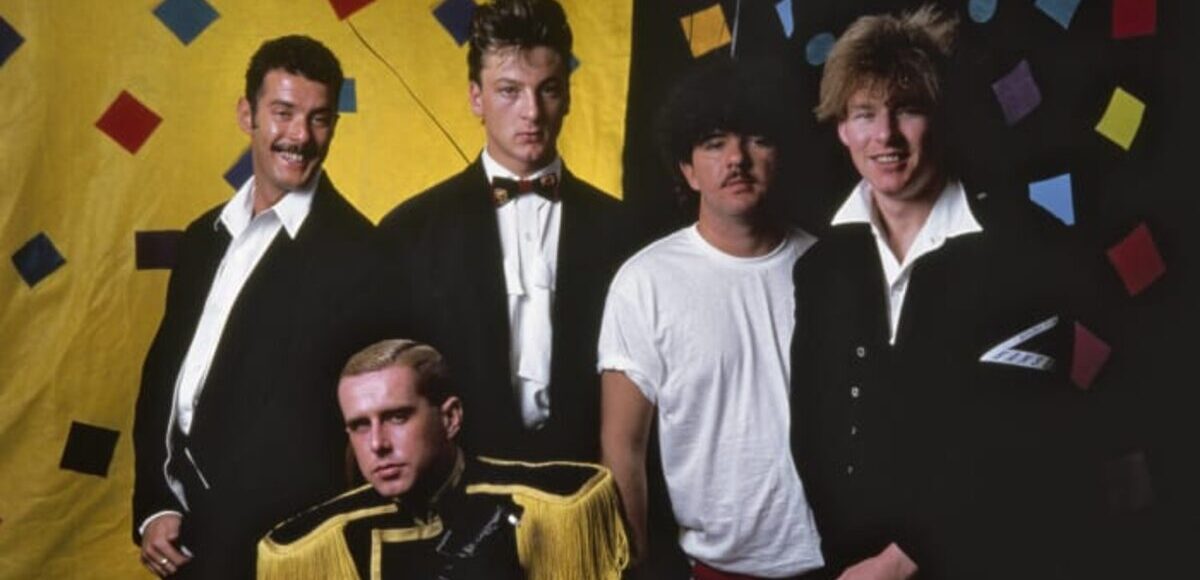
In May 1983 Trevor Horn signed Frankie Goes To Hollywood to his new label Zang Tuum Tumb after seeing them play Relax on Channel 4’s The Tube at the Liverpool State Ballroom. Holly Johnson sings lead; Paul Rutherford adds vocals; Brian Nash, Mark O’Toole, and Peter Gill complete the lineup. Horn and the ZTT team rebuilt the song across several versions: a live-band attempt, a Blockheads-assisted session, and finally a Fairlight-driven cut with session players including Steve Lipson and Andy Richards, Johnson’s vocal on top. The swimming-pool splash sampled at the Manor survived into the finished mix. ZTT released Relax in October 1983; the album version on Welcome to the Pleasuredome (1984) is often tagged Relax (Come Fighting).
What you hear is a low, pumping synthesizer rhythm, a hard snare, and Johnson’s repeated command to “relax.” Horn’s production stacks effects and edits until the single feels like a club machine more than a five-piece demo. Multiple 12-inch mixes followed, including the long Sex Mix packed with sound effects. The 7-inch edit that climbed the charts keeps the hook front and centre at radio length while the bass sequence never lets go.
The single sat in the lower UK charts for weeks, then jumped after a 5 January 1984 Top of the Pops appearance. On 11 January Radio 1’s Mike Read stopped the record mid-spin over the sleeve and printed lyrics; the BBC widened the ban across daytime outlets. Sales surged. Relax hit No. 1 for five weeks, sold more than two million copies in Britain, and later won the 1985 Brit Award for Best British Single. It reached the US Top 10 in 1984. With Two Tribes and The Power of Love, Frankie matched Gerry and the Pacemakers as the second act to take their first three UK singles to No. 1.
Relax, don’t do it / When you want to go to it.
(Holly Johnson / Frankie Goes To Hollywood, lyric from Relax, 1983)
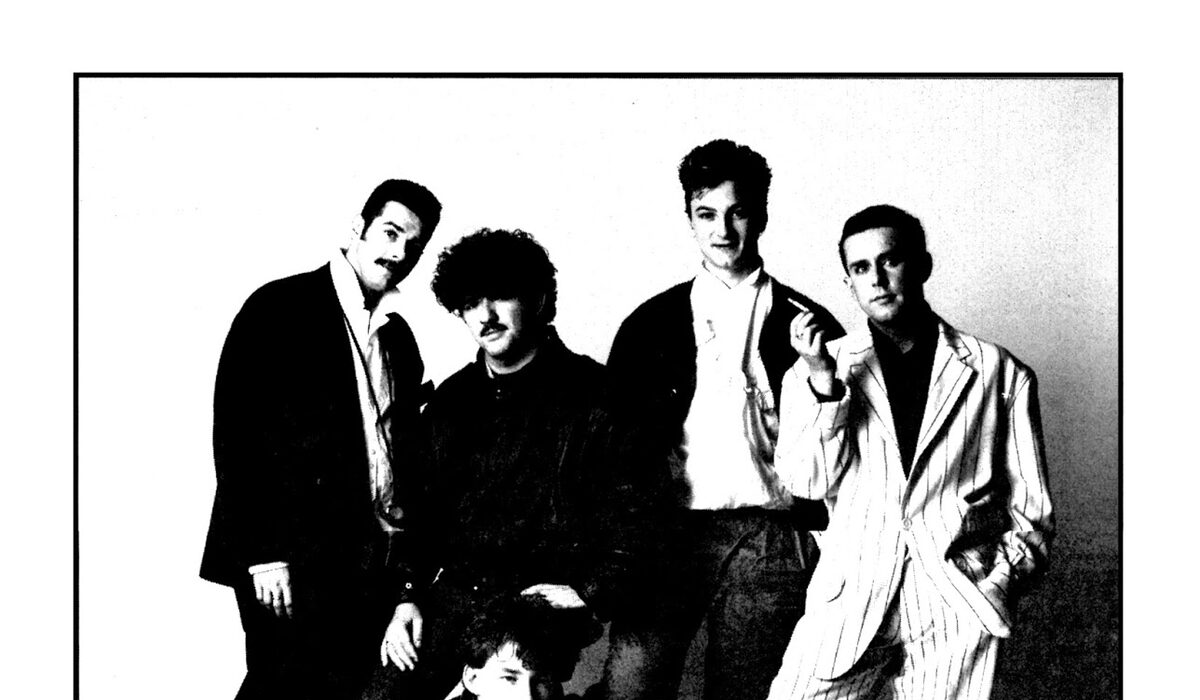
Paul Morley’s ZTT campaign and Yvonne Gilbert’s controversial sleeve art made the ban part of the story, but the Horn mix is what held the dancefloor. Welcome to the Pleasuredome then arrived with million-plus advance orders in the UK.
Play the original ZTT 7-inch or the album Come Fighting cut before later remixes. The Fairlight pulse and Johnson’s vocal explain how a Liverpool band and a producer at full stretch turned a ban into five weeks at No. 1.


Louise | 6 October 2026
|
Opened the article, heard the riff in my head before the embed loaded. Classic. Fight me.
Nina Bass | 7 October 2026
|
Still puts Relax (Come Fighting) on whenever I need a reset. Never gets old. I told my coworker and they shrugged. Their loss.
Anne | 7 October 2026
|
Still puts Relax (Come Fighting) on whenever I need a reset. Never gets old.
Tom Riff | 8 October 2026
|
Ok but who else puts Relax (Come Fighting) on at 1am and feels seen? I told my coworker and they shrugged. Their loss. Replay button abused.
Sofi | 9 October 2026
|
I came for Frankie Goes To Hollywood, stayed for how clean this write-up is. Relax (Come Fighting) hits different after reading. Also the comments section on old forums was wild about this.
Inés | 10 October 2026
|
I always skip to Relax (Come Fighting) on the album. Guilty. I told my coworker and they shrugged. Their loss.
Mike B. | 11 October 2026
|
I always skip to Relax (Come Fighting) on the album. Guilty. Coffee got cold while I finished the article. Acceptable.
Yuki | 12 October 2026
|
I never knew that detail about the session. Changes how I hear the intro. Fight me.
Jacques | 13 October 2026
|
Heard Relax (Come Fighting) a thousand times. This reminded me why it stuck. Also the comments section on old forums was wild about this.
Noah | 13 October 2026
|
Anyone else think the live versions of Relax (Come Fighting) are better? Studio still wins for me though. Might be recency bias but I do not care today.
Sam W. | 14 October 2026
|
People sleep on how weird Relax (Come Fighting) actually is. This article gets it. Sharing this in the group chat. Expect chaos.
Bruno | 15 October 2026
|
Ok but who else puts Relax (Come Fighting) on at 1am and feels seen?
François | 16 October 2026
|
Short take: the groove on Relax (Come Fighting) still feels unfair. Needed that.
Amy | 16 October 2026
|
The production notes here made me replay Relax (Come Fighting) twice. Nice catch. Good piece.