
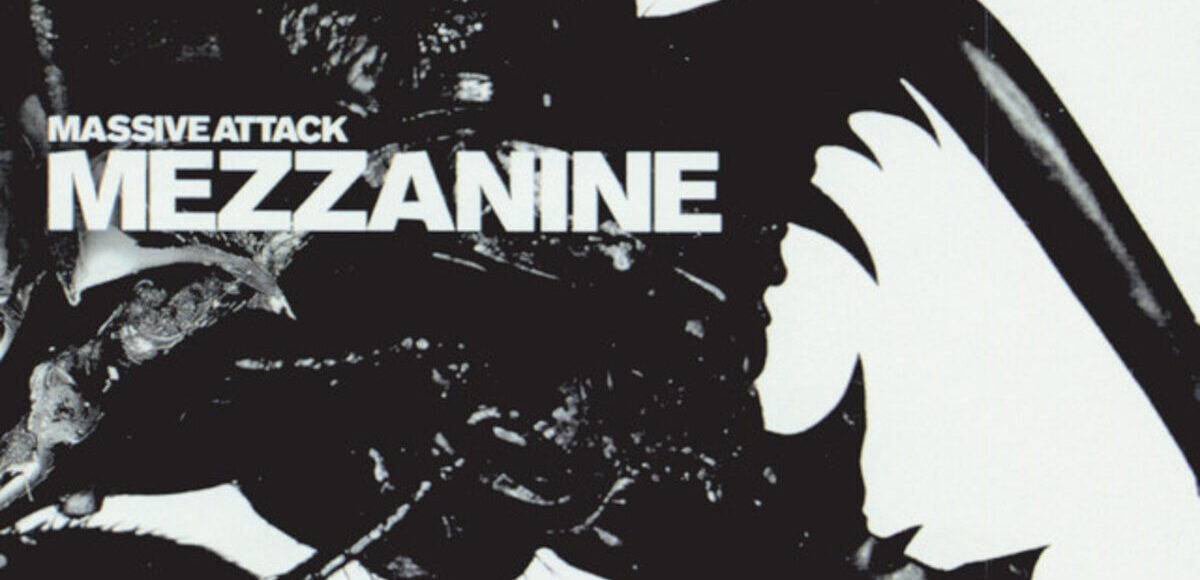
Fraser vocal, harpsichord tick on Mezzanine
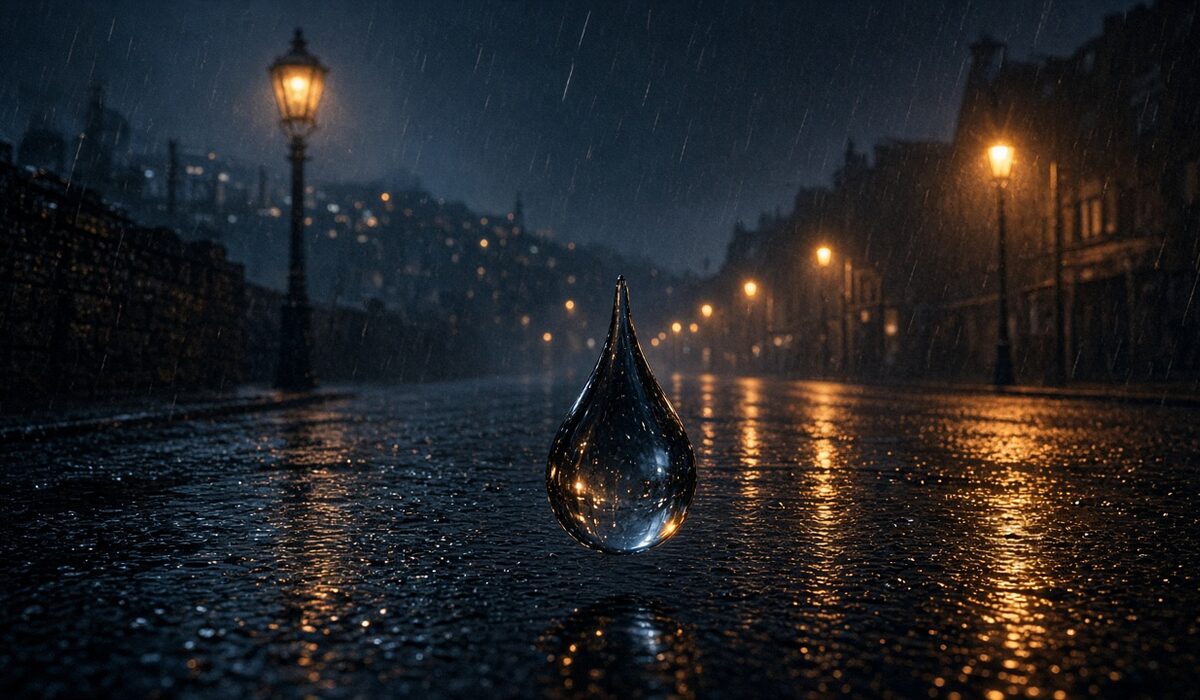
Teardrop ticks in on a small metallic harpsichord figure and a drum pulse closer to a resting heartbeat than a club kick. Elizabeth Fraser’s voice enters already inside the mix, high and light. The 1998 single from Massive Attack’s Mezzanine moves slow: bass low, melody circling grief without a slogan. Fraser wrote while the Bristol trio worked with Neil Davidge between their rooms and Christchurch Studios. Andrew Vowles had floated a Madonna demo idea; Robert Del Naja and Grant Marshall wanted Fraser, whose Cocteau Twins phrasing could bend a line without a big hook.
She later told The Guardian the song felt tied to Jeff Buckley; she had been thinking of him when the lyric arrived, letters out, weird timing. That personal fact sits under the public life of the track: radio, the House TV theme’s later association for a generation, and trip-hop’s mainstream doorway. Nothing hurries. The arrangement leaves space unfilled. Massive Attack’s dark guitar period on Mezzanine still leaves this cut oddly tender.
Producers still point at the harpsichord-and-voice blend as classical timbre inside Bristol dub and hip-hop craft. Fraser’s one-take presence (or close to it in feel) keeps the human center. Del Naja/Marshall/Vowles frames stay dark and dry. The single carried the album onto daytime radio without turning the mood into chillout wallpaper.
That was so weird. I’d got letters out and I was thinking about him. That song’s kind of about him. That’s how it feels to me anyway.
(Elizabeth Fraser, The Guardian, 2009)
Credits you can recite: Fraser, Massive Attack, Davidge, Mezzanine, 1998. TV licensing expanded the audience; the original mix remains the serious listen. When someone needs Bristol trip-hop with a named guest and a harpsichord you can hum, this is the cue.
Named grief source, steady pulse, collaboration documented. That is enough.
Mezzanine’s darker guitar period confused fans who wanted only Blue Lines haze; Teardrop bridged the camps with a soft vocal inside the gloom. Fraser’s Cocteau Twins résumé told serious listeners the vocal would not be a pop cameo for hire. Davidge’s production kept the harpsichord audible in a mix that could have buried it under dub bass. Later TV use expanded the audience until some hear the theme before the band; the corrective is always the album context and Fraser’s Buckley remark.
Bristol trip-hop’s global brief often reduces to a few singles. This one earns its place with named personnel, a dated studio map, and a lyric origin that is personal without being press-release vague. Slow pulse, metallic tick, guest voice: the recipe is copyable only if you also hire someone with Fraser’s grain. Most cannot. That scarcity keeps the original in circulation.