




Trident 1971: six minutes for Maxine and the highway
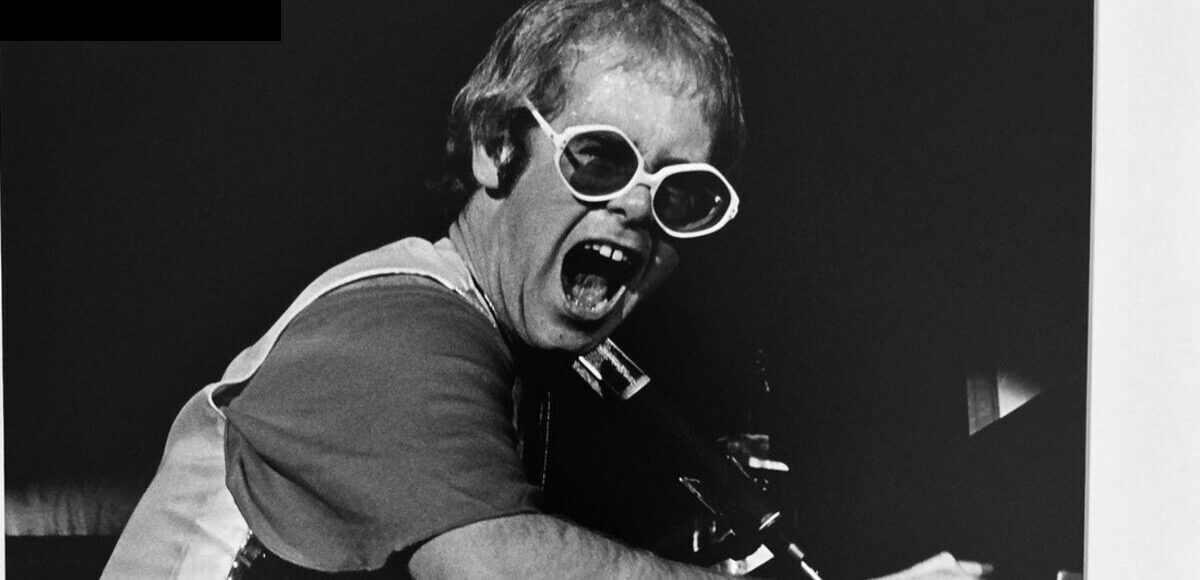
Tiny Dancer opens Elton John’s November 1971 album Madman Across the Water and it takes its time. Written with Bernie Taupin and produced by Gus Dudgeon at Trident in London, the cut runs past six minutes: a patient piano figure, Paul Buckmaster’s strings blooming in layers, BJ Cole’s steel guitar gliding at the edges, and a band that already included Dee Murray, Nigel Olsson, and Davey Johnstone on the wider sessions. Uni/DJM issue it as a US single in February 1972. It stalls short of a chart smash, then grows for decades on FM and in rooms full of people who learned the chorus late. That delayed life is part of its character: a ballad whose audience arrived over the years, not in the first week.
Taupin wrote the lyric after watching Maxine Feibelman, his first wife, work as a seamstress and “seamstress for the band” on the early American tours. Blue jeans, LA freeways, Jesus freaks on the boulevard: California seen by a young English lyricist who had only just landed. Elton’s vocal stays conversational until the chorus lifts; the arrangement never panics into a short-radio shape. That patience is the point. Later edits trim it for airplay; the album cut keeps the full walk from verse to coda, and that is the version that still runs the long way, from verse to coda.
Live, the song migrates from Old Grey Whistle Test intimacy to arena sing-along without changing its bones. Almost Famous (2000) puts Tiny Dancer in front of a new generation: a bus full of players mouthing “hold me closer.” The recording itself never needed myth. It is studio craft from a year when Elton released three albums and still found space for a patient portrait: the steel guitar answers the piano if you stay with it.
Uni issued the US single in February 1972 with little chart heat at first; FM and later concert rooms did the long work. Davey Johnstone’s guitar and BJ Cole’s steel answer the piano without crowding Buckmaster’s strings. Remasters keep the Trident air dry enough that Elton’s voice still sits forward for six-plus minutes.
I was kind of portraying Maxine as this tiny little girl. She was a dancer, and she was this little blonde freckled girl. She was Tiny Dancer.
(Bernie Taupin, on the lyric’s subject, various interviews)
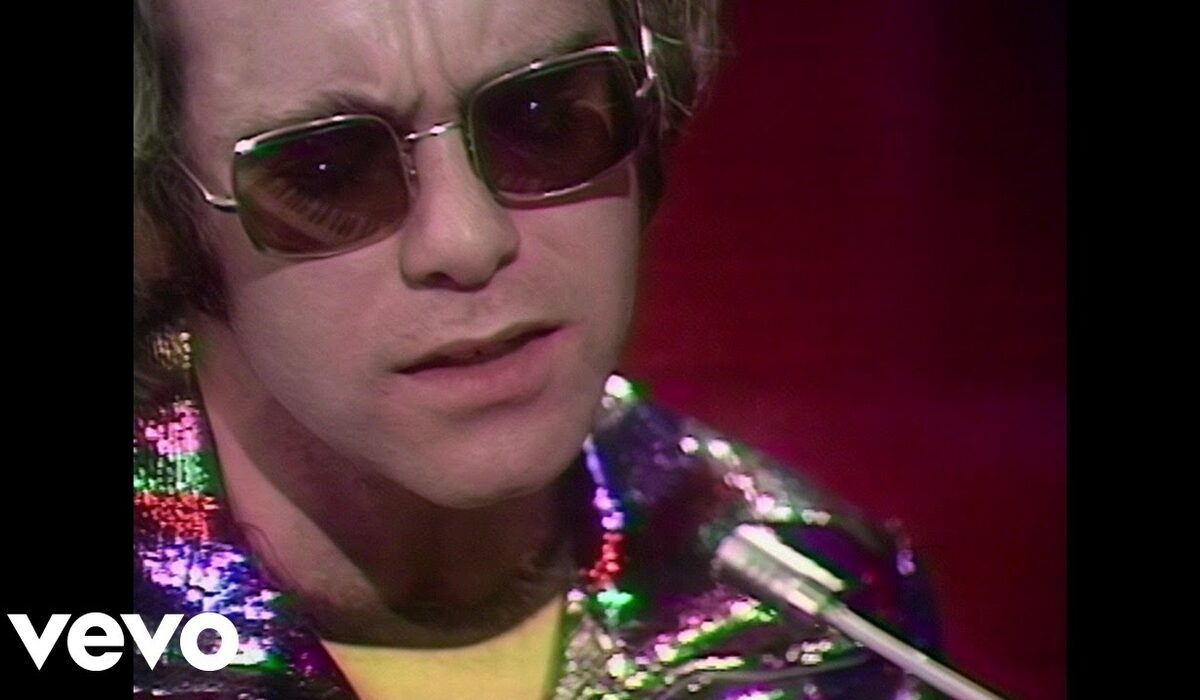
Charts and certifications catch up long after 1972. Remasters keep Buckmaster’s strings clear and the piano dry enough to sit under Elton’s voice without syrup. Return to Tiny Dancer and the details are still concrete: a California night, a seamstress on the road, a chorus for people who learned the words years late.
Beside Rocket Man and Your Song, it remains the Taupin/John ballad that rewards length. Six minutes in 1971 was the time the portrait took, from the verse through the coda. Put the album cut on and let the steel guitar answer the piano: the song still runs long, which is why it keeps finding new listeners. That delayed chart life is the song’s later record: a ballad that found its listeners slowly, long after the single.

Pierre | 10 October 2026
|
Cool. Now I want the deep cuts around Tiny Dancer too. Good piece.
Hélène | 11 October 2026
|
Cool. Now I want the deep cuts around Tiny Dancer too. Might be recency bias but I do not care today.
Diego | 11 October 2026
|
Not my usual lane but Tiny Dancer got me. Fair enough. Might be recency bias but I do not care today.
Carmen | 11 October 2026
|
I came for Elton John, stayed for how clean this write-up is. Tiny Dancer hits different after reading. Coffee got cold while I finished the article. Acceptable.
Léa | 12 October 2026
|
Anyone else think the live versions of Tiny Dancer are better? Studio still wins for me though. That is all.
Amy | 13 October 2026
|
Heard Tiny Dancer a thousand times. This reminded me why it stuck. Coffee got cold while I finished the article. Acceptable.
Maya | 13 October 2026
|
This is the track I put on to test new speakers. Elton John never lies.
Jacques | 13 October 2026
|
read this, then put Tiny Dancer on loud. That was the move. Also the comments section on old forums was wild about this. That is all.
Sam W. | 14 October 2026
|
Read this, then put Tiny Dancer on loud. That was the move. I told my coworker and they shrugged. Their loss.
Mike B. | 14 October 2026
|
I argued with my brother about Tiny Dancer for years. This is my exhibit A. Coffee got cold while I finished the article. Acceptable. Needed that.
Paulo | 15 October 2026
|
Solid chronicle. I forgot how sharp Elton John sounded on this one. Sharing this in the group chat. Expect chaos.