
Loop already damaged, and that is the point
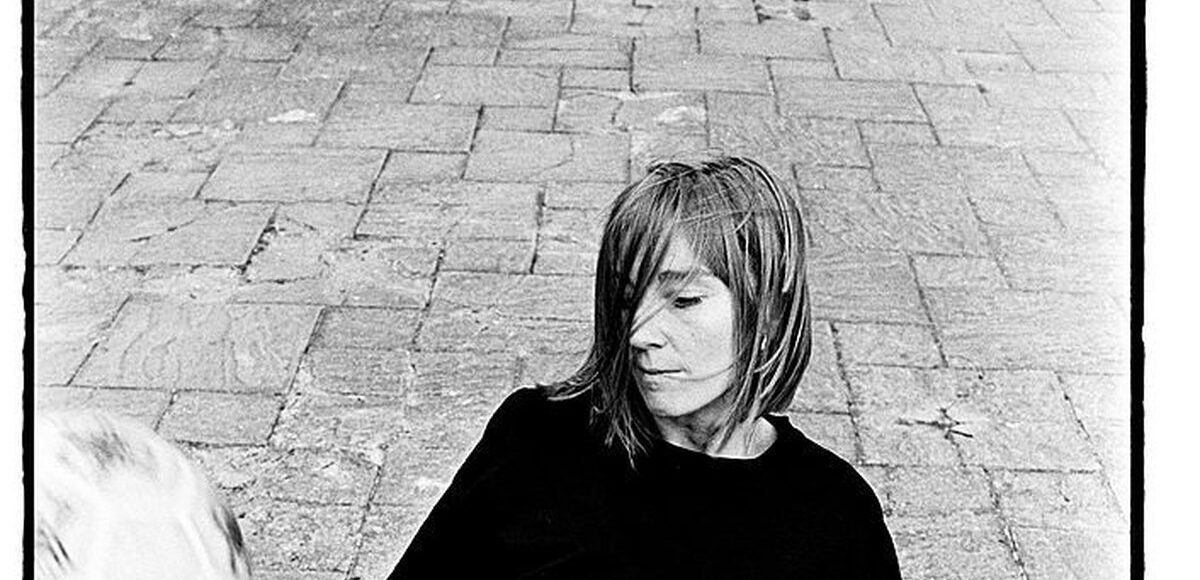
The loop arrives already damaged, and that damage is the point. A string figure from Isaac Hayes turns under a beat that refuses to hurry. Beth Gibbons does not enter like a guest: she sits in the worn groove as if she had been waiting there. Glory Box, the last song on Portishead’s Dummy and a single in early 1995, moves at the pace of a sample nobody cleaned. The vocal is frayed and exact. Desire here is not a blush. It is a demand for space.
Geoff Barrow built the track from a copy of Hayes’s Ike’s Rap II that had warped, cheap vinyl left in the sun. He told the story years later: quiet playing, a huge close-miked voice, a chilled band. Recorded in Bristol while Portishead assembled Dummy in 1994, with Adrian Utley on guitar and Barrow at the sampler, the song keeps the crack in the source instead of polishing it. Utley’s solo leans out of tune on purpose. Gibbons wrote into that unease, not over it.
The lyric is often misread as nostalgia for dutiful womanhood. Gibbons was plainer. The line that matters is the one about moving over and giving some room. A glory box, in the old phrase, is the chest of linen a woman packed for marriage. The song borrows the object and turns it into a complaint. The video places her in a club that looks decades older than the record, watched by men who do not know what to do with her. The guitar keeps misbehaving. The loop never apologises.
The key line in the song really is move over and give us some room, because I do think women are very much taken for granted.
(Beth Gibbons, The Independent on Sunday, 1994)
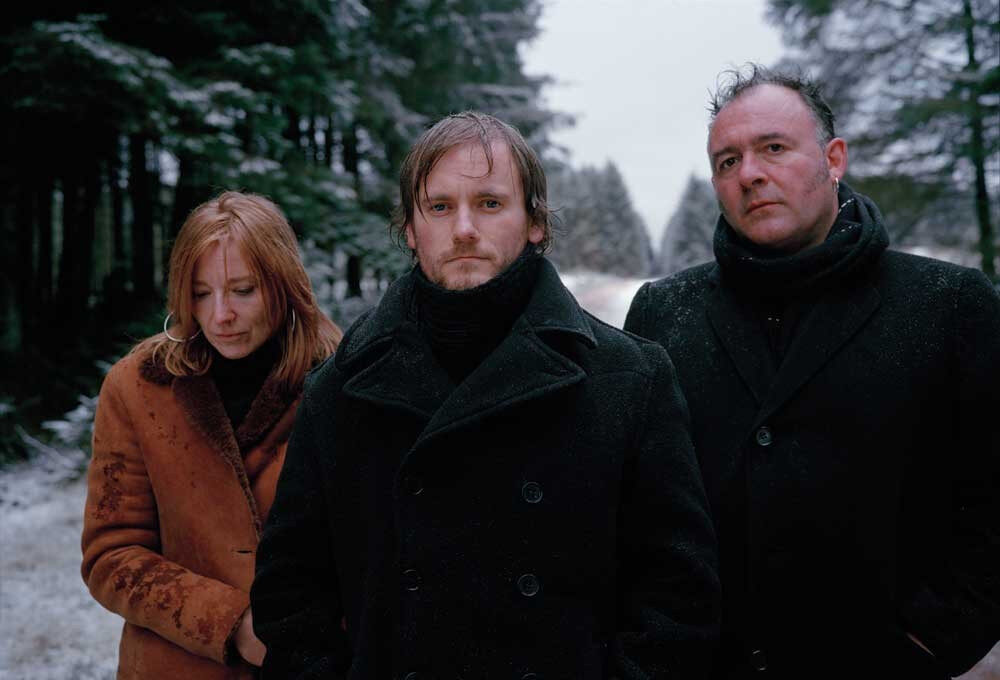
Britain took the single into the top twenty. Dummy took the Mercury Prize and, unwillingly, gave a name to a Bristol sound the group would spend years refusing to repeat. On stage the track could turn harsher, the loop louder, Gibbons more exposed. The studio cut stays low. What radio heard as mood was, in the vocal, a negotiation. She is not asking to be adored. She is asking not to be used up.
What remains is the grain of that warped disc. Digital perfection would have sanded off the cheap plastic, the sun, the hush of Hayes’s band. Glory Box still sounds like a private argument held in public, slow enough that every consonant matters. The demand has not dated. Move over. The room was never only yours.