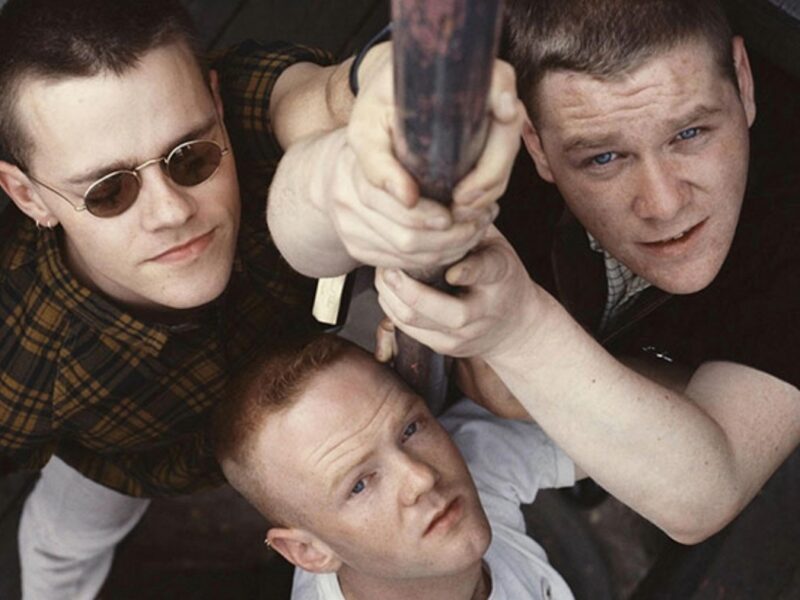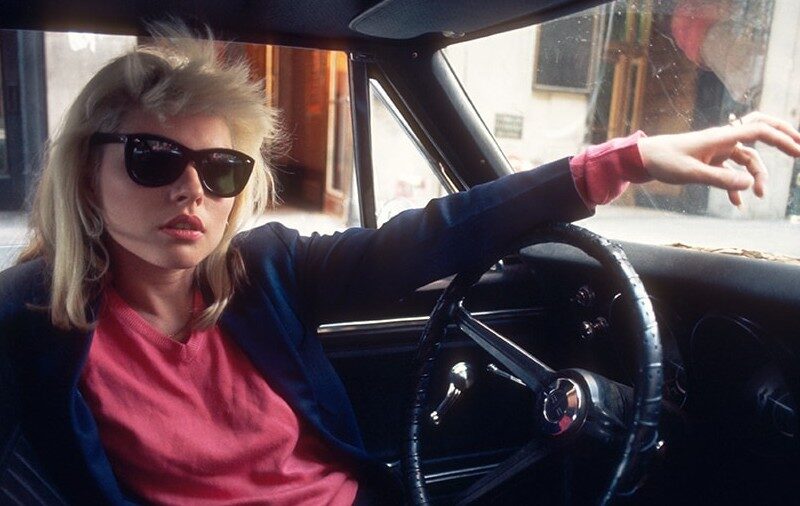


Thin bright tease before the room knows
The intro is a tease: a thin bright line, a voice already calling hey boy, hey girl, before the room knows the price. Then the beat falls in with the weight of a truck that meant to. Hey Boy Hey Girl is not subtle about the drop, and the lack of subtlety is the composition. Tom Rowlands and Ed Simons, the Chemical Brothers, had spent the nineties proving a dance record could carry rock drama without borrowing the haircut. Here the drama is the gap between the shout and the impact. Superstar DJs, here we go, the line says, half joke, half starting gun. You are in it before you have agreed.
Surrender appeared in 1999, produced by the pair themselves, the album where big-room instinct and home listening stopped pretending to be rivals. The track was built as a single festivals could use as a door, and it did. Britain took it high in the charts. The vocal hook is a sample turned into a command, chopped until the command feels like the band’s own throat. Rowlands’s synths do not decorate the drop. They are the drop: a chord that occupies the chest and then lets the drums finish the sentence. In interviews around the record they described the aim without romance: a physical record, fun, large, still theirs. The nineties had filled with copies of their earlier kicks. This one was the original updated, unwilling to be out-shouted by its children.
The video put the shout in a city of flares and bodies, honest about the use and slight about the making. In a field the track is a meeting point. People who do not know the album know the fall. That is a kind of success the Brothers have accepted and occasionally side-eyed, because the albums are stranger than the drops. Surrender has quieter rooms. This song is the corridor between them, the one you remember when you try to explain the night. Live, they play it late enough that the tease still works, even on people who have heard the tease a hundred times. Anticipation, repeated, does not wear out if the impact is rude enough.
We made Hey Boy Hey Girl to play in a club at 2am on a Saturday night, but we wanted someone to feel that same energy in their car on a Tuesday afternoon.
(Tom Rowlands, NME, 2019)
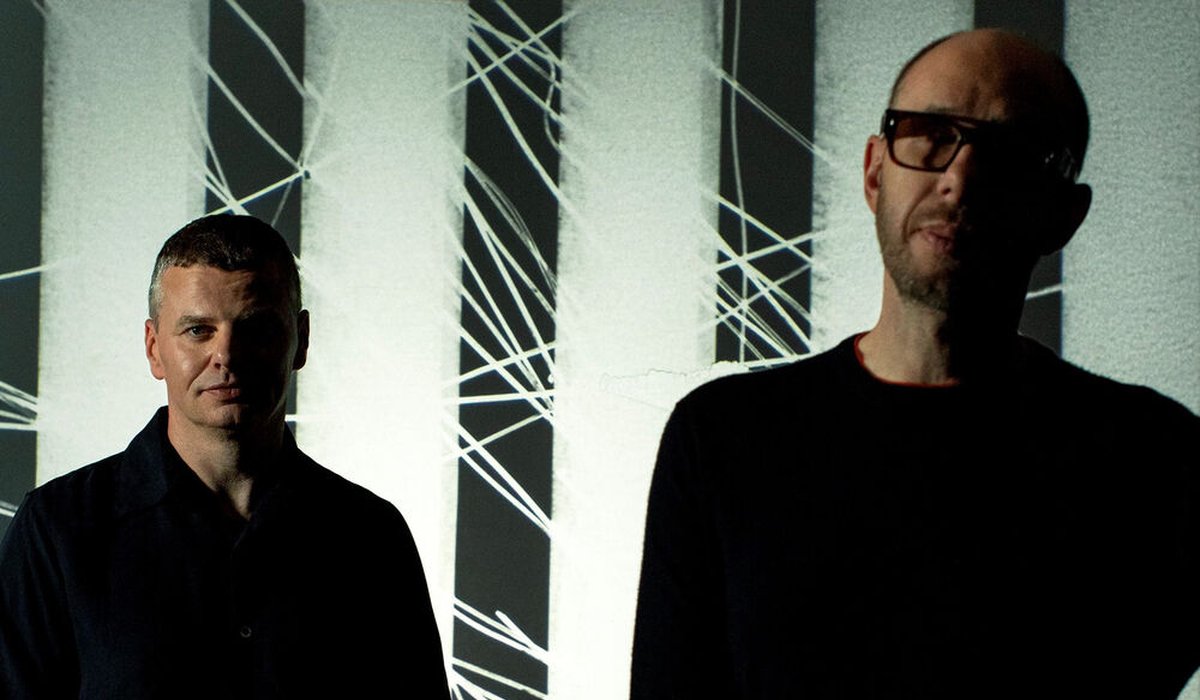
What the rudeness conceals is the editing. A drop this clean is not an accident of volume. It is a decision about how long to withhold, how much of the vocal to leave intelligible, how soon to let the bass occupy the vowel. The Chemical Brothers’ craft, under the festival myth, is that editing. Hey boy, hey girl is a greeting and a sorting: you are either ready or you are in the way. The record does not scold the unready. It simply arrives.
What remains is the truck. Hey Boy Hey Girl still sounds like 1999 only in the sense that 1999 is when the truck was new. The shout has been imitated into a dialect. The original still has the gap, the half-second where you know what is coming and cannot brace. That half-second is the song. The rest is the proof.