Night-drive cue after Drive
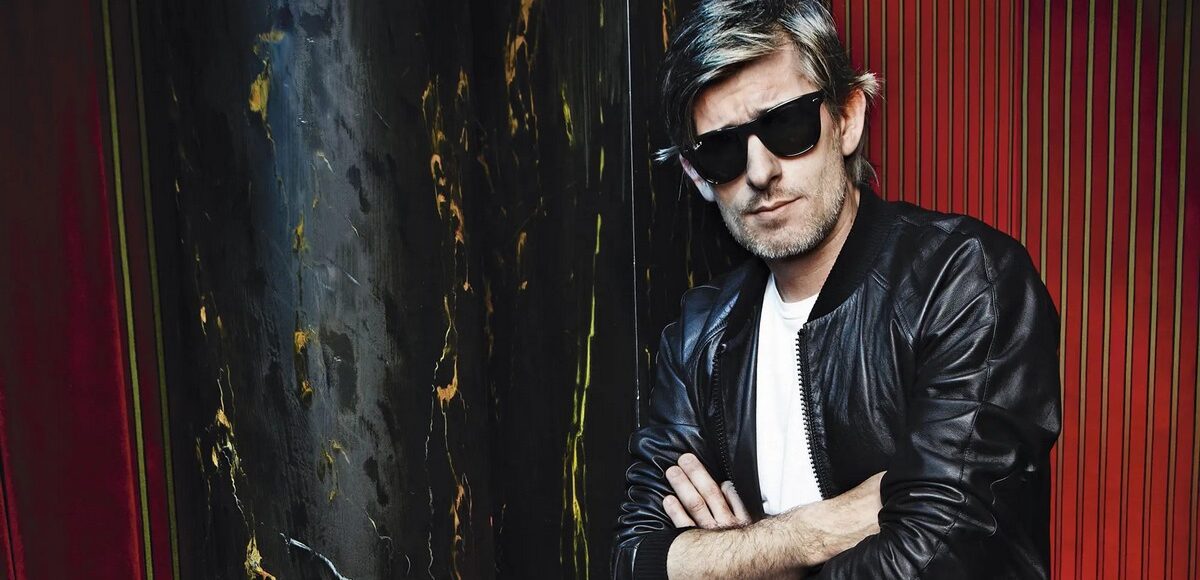
Nightcall opens on a low synth growl and a vocoder lead before Lovefoxxx (CSS) enters like a distant human signal. Vincent Belorgey, as Kavinsky, built a B-movie persona around the track’s world: a driver who died in a 1986 crash and came back to make music, Ferrari Testarossa red in the imagery. The production leans on analog-style leads, steady mid-tempo pulse, and grain rather than big pop drops. First released on Record Makers before the film boom, in 2010–2011 the song jumped from French electronic circles into global headphones when Nicolas Winding Refn’s film Drive used it as a signature cue on the soundtrack album.
Belorgey has said the main pressure at release was sharing a track connected to one half of Daft Punk’s circle, not chasing a Hollywood sync. French Touch had already polished disco DNA into stadium-ready shine; Kavinsky kept the darker dashboard version: LED glow, slower cruise, VHS-era film mood without copying a single score note for note. Lovefoxxx’s vocal keeps a fragile edge against the chrome synths. The beat never races. It is paced for a long night drive, which is exactly how editors and playlists still use it.
After Drive, outrun and synthwave aesthetics spilled into indie games, ads, fashion lookbooks, and meme culture. Nightcall did not invent every neon grid that followed, but it became the easiest citation for that mood. Record-store staff filed it beside French Touch without mistaking it for Daft Punk gloss. Kavinsky released sparingly afterward; the four-minute track did enough cultural work on its own. Some singles burn out with the campaign. This one still idles in playlists whenever a cold city street needs a soundtrack with a named producer, a named guest vocal, and a film credit attached.
At the time of Nightcall’s release, we didn’t feel much pressure except for the fact that we were releasing a track with one half of Daft Punk.
(Vincent Belorgey, Mixmag, 2022)
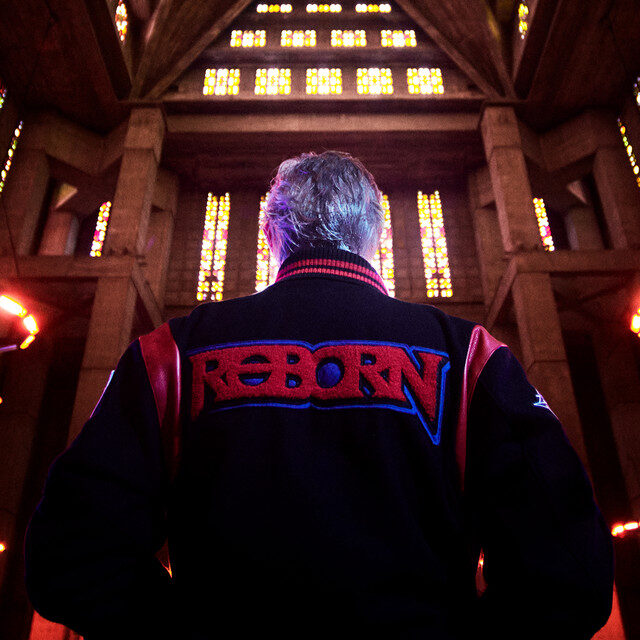
Pop in that moment often sounded slick and vocal-forward. Nightcall sold mystery and texture instead. The film would still look stylish without it; with it, the night-drive myth locked. Producers chasing “the Drive sound” usually mean this bass motion and those lead lines first. That is a concrete lineage you can point to in a DAW session, not a vague neon feeling.
Legacy check: soundtrack placement, synthwave boom, and Belorgey’s sparse follow-ups. One track, clear credits, long afterlife in clubs and headphones. It keeps running low and steady whenever someone needs 80s-flavored electronics without a karaoke chorus on top. That practical afterlife (editors, DJs, playlists) is the measurable result of one well-placed cue.