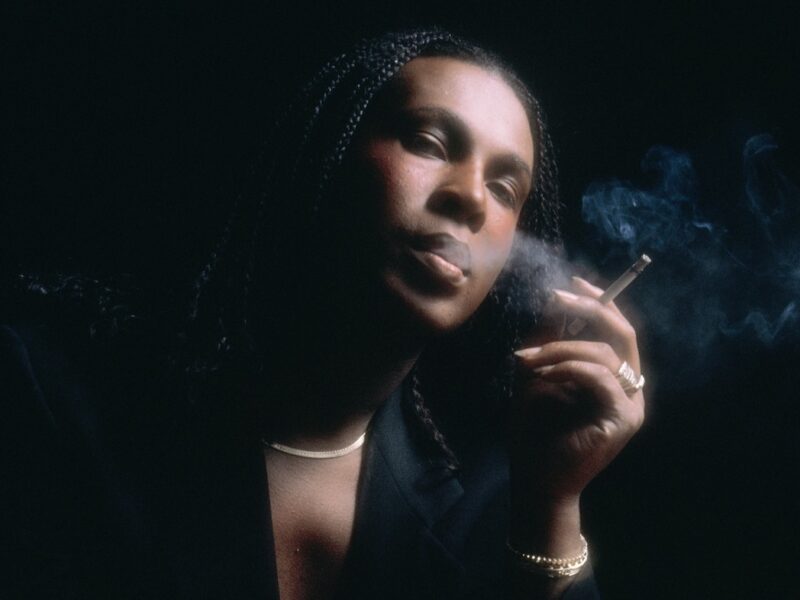


Dynamite, 2005: album cut with strings and sax, Kay begging a plane to turn back
Talullah appears on Jamiroquai’s sixth studio album, Dynamite, released in June 2005 on Sony BMG/Epic. It is an album track rather than a commercial single, credited to Jay Kay with bandmates including Matt Johnson, Rob Harris, and Derrick McKenzie. Mike Spencer co-produces with Kay. Where the singles chase the radio, this cut opens the arrangement: flute and saxophone lines, string pads, and a bass that stays melodic instead of club-hard.
The lyric is a straight scene. She leaves on a jet, says she will not come back, and Kay repeats her name like a stuck radio call. He asks the captain to turn the plane around and admits he is to blame. Contemporary reviews called the writing autobiographical and a little soft; the arrangement keeps it from melting. Female backing vocals answer the lead, and the groove refuses to slow into ballad sludge.
Inside Dynamite, Talullah functions as the emotional hinge between the brighter funk singles and the denser album depths. The record peaks at UK No. 3 after Feels Just Like It Should returns the band to the Top 10. Fans who only know the videos still meet this track on playlists tagged chill or late-night, where the sax and the jet metaphor do the work a chorus hook would do elsewhere.
Calling it a ballad undersells the rhythm section: the track still walks. What changes is the arrangement budget, spent on colour rather than on a louder kick. That is why Talullah rewards headphones more than festival PA, and why it earns its place as the album’s private letter instead of another video single.
Talulah is much more jazzy with welcome bursts of saxophone, flutes, strings and the familiar sound of funky bass. This is a love song, a Jamiroquai-style ballad with an almighty arrangement.
(Designer Magazine, Dynamite album review, 2005)
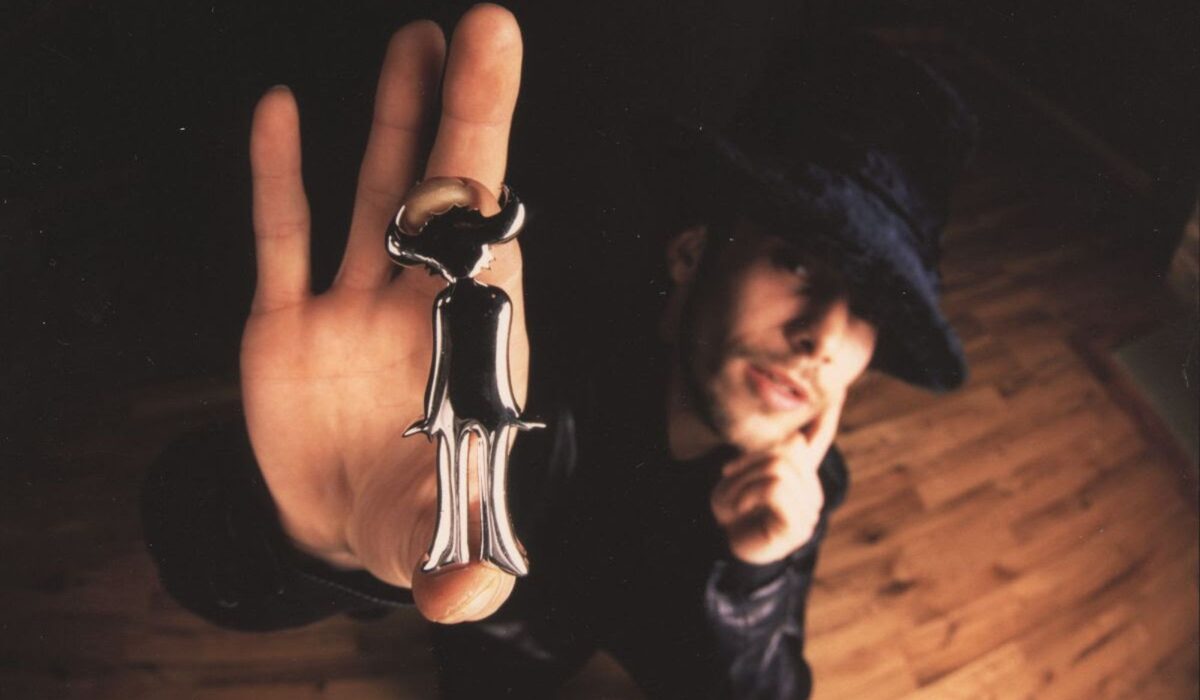
Live, Talullah is less common than the singles, but when it appears it usually arrives with extra horns and a quieter crowd moment before the set climbs again. On the studio take you can hear why Spencer’s polish mattered: the flute cuts clean, the vocal stays dry enough to catch the panic in the lyric, and the rhythm section never tips into soap-opera tempo.
Next to Seven Days in Sunny June, Talullah is the other face of the same album summer: one song counts the days of a fling, the other watches the flight leave. Together they show Dynamite was not only a dance-floor campaign. It also needed a mid-record letter to someone already in the air.