
Staten Island written as myth
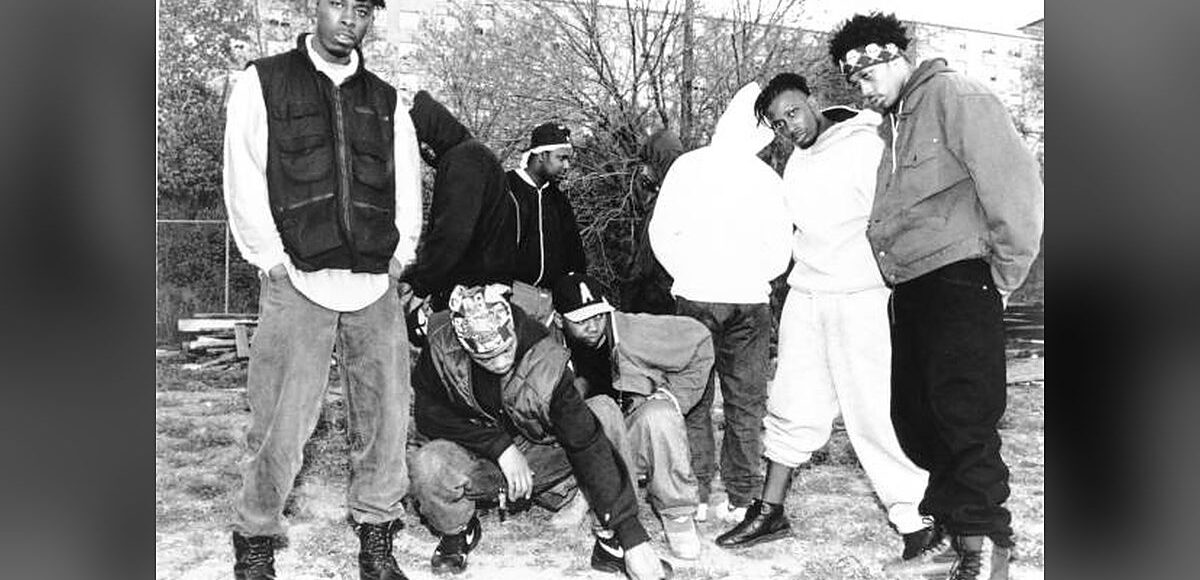
Staten Island, which they will rename Shaolin, 1993. Nine men in a room that is too small for the mythology they are already speaking, and RZA has decided the mythology will be a business. Robert Diggs has a plan that is half chess and half protection racket against the industry: one group, many soloists, each free to sign where the money is, all of them feeding a single sound. The sound is dusty, minor-key, sampled from soul records and from kung fu films that played on Forty-Second Street. The name is Wu-Tang Clan. The first album, Enter the Wu-Tang (36 Chambers), comes out on Loud/RCA on 9 November 1993. It does not sound like a debut. It sounds like a door that has been kicked from the inside.
The nine are not interchangeable, which is the point. RZA produces. GZA, the Genius, writes as if each bar were a blade being tested. Ol’ Dirty Bastard, Russell Jones, sings and threatens in the same breath, a voice with no interest in polish. Method Man has the hook and the charm. Raekwon narrates crime as literature. Ghostface Killah narrates it as color and food and panic. Inspectah Deck arrives with verses that seem pre-edited by a stricter god. U-God holds the low end. Masta Killa, slightly later to the photograph, still belongs to the chamber. They record at Firehouse Studio in Brooklyn, on cheap equipment that RZA treats as a philosophy. Mud is not a flaw. Mud is the room tone of the truth they want.
Protect Ya Neck is the single that does not wait for permission. C.R.E.A.M., cash rules everything around me, takes a charm loop and turns it into a proverb. Method Man, Da Mystery of Chessboxin’, Can It Be All So Simple. The skits are not filler. They are the clan talking to itself, the humor that keeps the violence from becoming a pose. Radio is confused and then converted. The album sells, then keeps selling, because people are not done learning the voices. RZA’s deal, the one that lets members sign solo contracts anywhere, looks insane to labels and correct to history. A group this large cannot be fed by one advance. It has to be a network.
The network flowers immediately. Method Man’s Tical on Def Jam in 1994. Ol’ Dirty Bastard’s Return to the 36 Chambers on Elektra in 1995. Raekwon’s Only Built 4 Cuban Linx… the same year, a crime novel with Ghostface as co-author. GZA’s Liquid Swords, also 1995, the coldest of them. Ghostface’s Ironman in 1996. Each record is Wu-Tang and not Wu-Tang. The logo multiplies. The slang, the swords, the five-percent references, the chess, enter the language of people who have never been to Staten Island. Wu-Tang Forever, the 1997 double album, tries to hold all of this in one object. It is too big, which is honest. The clan is too big. Triumph opens with Inspectah Deck and does not apologize for length.
The cost of nine lives in one myth shows up as court cases, label fights, and grief. Ol’ Dirty Bastard dies on 13 November 2004, thirty-five years old, in a New York studio, the voice that would not be managed finally unmanaged by a body. The group continues because the plan was always larger than one member, and because stopping would hand the name to silence. Later albums vary. The tours vary. In 2015 RZA’s Once Upon a Time in Shaolin, a single copy sold under wild conditions, becomes a parable about scarcity that some hear as art and some hear as a stunt. Both readings fit a group that understood myth as a material.
What remains unmistakable is the first chamber. RZA’s production from that era is one of the few sounds in hip-hop that can be identified in a bar: the piano slightly out of tune, the drum cracked, the sword unsheathed in the sample. The MCs are a curriculum. You can spend a year on Raekwon’s detail, another on Ghostface’s images, another on GZA’s structure, and still not be finished with Deck’s entrance on Triumph. That density is the cult. Not obscurity. Density.
Nine swords, one chamber. The math should not have worked. It worked because the producer was also the strategist, and because the voices were different enough to need each other. Staten Island became a country with a slang and a flag. The country still issues passports every time the loop starts.