
TK Records, Miami horns, and Get Down Tonight as a factory product
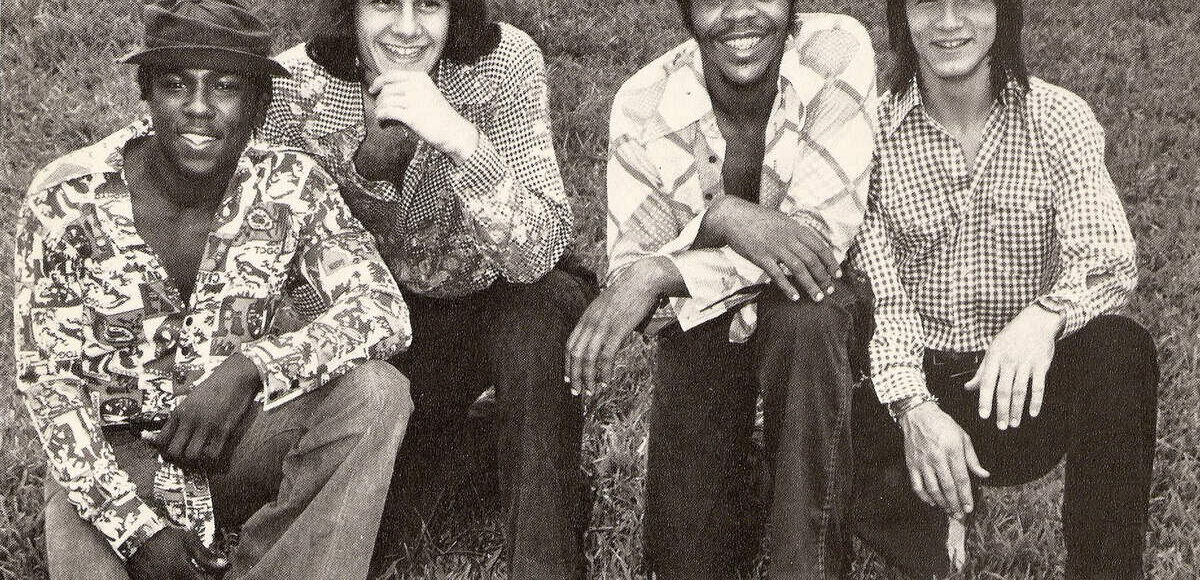
Harry Wayne Casey was born in 1951 in Hialeah, Florida, and came to music through the record shops and sessions at Miami’s TK Records, where he stacked shelves before moving into the studio. There he met Richard Finch, a session bassist and engineer born in 1954 in Indianapolis. The two began writing and producing together, assembled a large ensemble of Miami musicians, and released their first material under the name KC and the Sunshine Band in 1973. The music they built was designed for a specific purpose: the dancefloor.
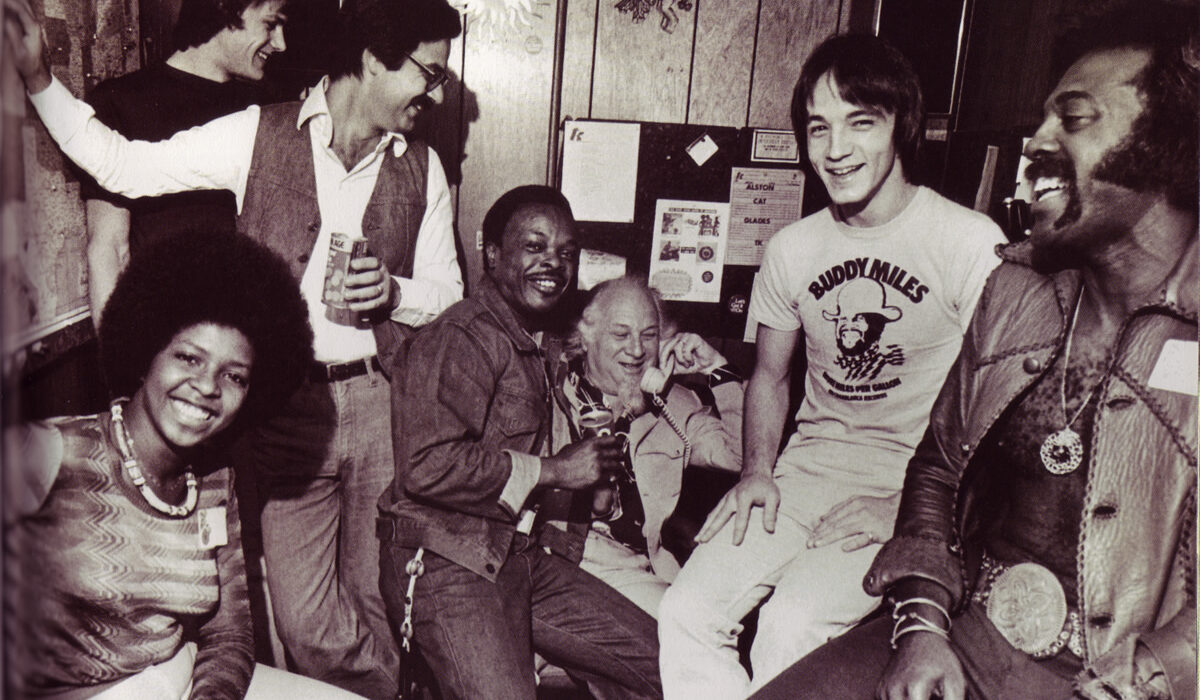
TK Records was a Miami-based label run by Henry Stone that had already built a regional funk and soul catalog before Casey and Finch arrived. The location shaped the sound. Miami’s population in the early 1970s included large Cuban and Haitian communities, and the city’s rhythm section habits leaned toward percussion density and Latin clave patterns that differed from the Philadelphia soul model then dominant in mainstream R&B. KC and the Sunshine Band pulled those local currents into a format that kept funk fundamentals while adding brass and call-and-response vocals.
«Get Down Tonight» and «That’s the Way (I Like It)» both reached number one on the Billboard Hot 100 in 1975. «(Shake, Shake, Shake) Shake Your Booty» repeated the feat in 1976. Three chart-toppers in roughly twelve months put the band alongside the most successful American pop acts of the period. The songs do not hide their mechanics: a repeated chant over a locked groove, the horn section punching on the beat, the production mixed loud enough to cut through a club system.
The albums that produced those singles — KC and the Sunshine Band (1975), Part 3 (1976), and Who Do Ya (Love) (1978) — added slower material and longer funk workouts alongside the hits. «Boogie Shoes,» «I’m Your Boogie Man,» and «Keep It Comin’ Love» extended the catalog. The band at its peak was a large ensemble: brass players, percussionists, background vocalists, with Casey as frontman and Finch as the production and arrangement engine driving the sound from inside the studio.
«Please Don’t Go» (1979) complicated the formula. A slow ballad that reached number one as disco’s commercial moment was ending, it was a different kind of record — melancholy where the earlier hits had been insistent — and it showed Casey’s songwriting was not confined to the dance-chant template. The early 1980s brought disruption: Finch left the partnership, and Casey was seriously injured in a car accident in 1982 and spent months in rehabilitation.
«Give It Up» (1983), recorded and released first in Europe, extended the catalog with a sound that reflected post-disco pop without abandoning the band’s groove instincts. It became a UK chart fixture through repeated licensing and TV placements. Casey continued performing under the KC and the Sunshine Band name through subsequent decades, maintaining a live schedule on oldies festivals, casino tours, and cruise circuit bills that kept the music in rotation.
The Miami sound KC and Finch helped define sits usefully against the Philadelphia International approach of Gamble and Huff, which favored strings, sophisticated chord changes, and a smoother surface. Miami went rawer: more open percussion, simpler vocal lines, the Latin influence closer to the surface. Against Earth, Wind & Fire, the Sunshine Band sounds less jazz-inflected and more single-minded. Against Donna Summer’s Eurodisco productions, the Miami rhythm section has more room and daylight in it.
Sonically, the signature is percussion plus brass over a locked bass groove. The horns punch in unison rather than playing arranged melodic lines. Drums are placed centrally in the mix with a live, room-sounding quality rather than processed studio compression. Casey’s voice is unpolished and direct, appropriate for material built on repetition rather than melodic development. The arrangements are simple enough to read on first contact but solid enough to hold a four-minute runtime at full floor volume.
Start with the original 1975 album or the Greatest Hits compilation, which covers the hit period efficiently. «Get Down Tonight,» «That’s the Way (I Like It),» «Boogie Shoes,» and «Please Don’t Go» give the full range: chant funk, groove workouts, and the ballad mode that arrived at the end of the decade. The Miami sound is a specific pleasure, and these recordings are its most accessible starting point.