




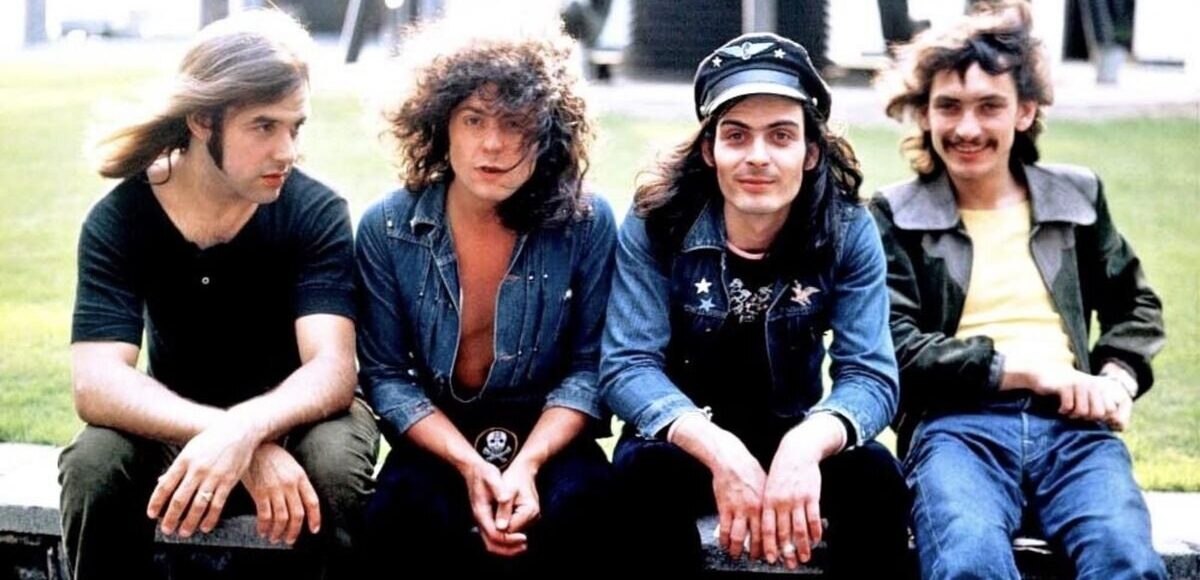
Electric Warrior cut, Fly single, UK No. 2 without Bolan’s blessing
Jeepster sits as the third track on T. Rex’s 1971 album Electric Warrior, recorded between March and June across Trident and Advision in London, Wally Heider in Hollywood, and Mediasound in New York. Marc Bolan wrote it; Tony Visconti produced. The band is Bolan on guitar and lead vocal, Steve Currie on bass, Bill Legend on drums, Mickey Finn on percussion, with Howard Kaylan and Mark Volman (Flo & Eddie) adding backing vocals. Fly Records released the single on 5 November 1971 with Life’s a Gas on the B-side.
The UK chart peak was number 2. The release was tense: Bolan had just left Fly for EMI and his own T. Rex Wax Co. imprint, and Fly pushed Jeepster without his full agreement, which left him reluctant to promote it at home. The song still did the commercial work. On the record you hear a blues-leaning glam cut that Visconti tied to Howlin’ Wolf shapes, with a key jump Bolan added that older blues sides rarely used.
The opening has a physical stamp: Bolan jumping while he played shook microphone stands, and Visconti kept the rattle instead of cleaning it out. The vocal is close and teasing. Guitar stays upfront; the rhythm section keeps a dancing pulse without soft edges. It is glam costume over a boogie chassis, written to move rather than to lecture.
When I heard Jeepster I thought, ‘I know there’s an old blues song he copied’… and then he jumps to the key of C. No one in the ’50s did that.
(Tony Visconti, on Jeepster)
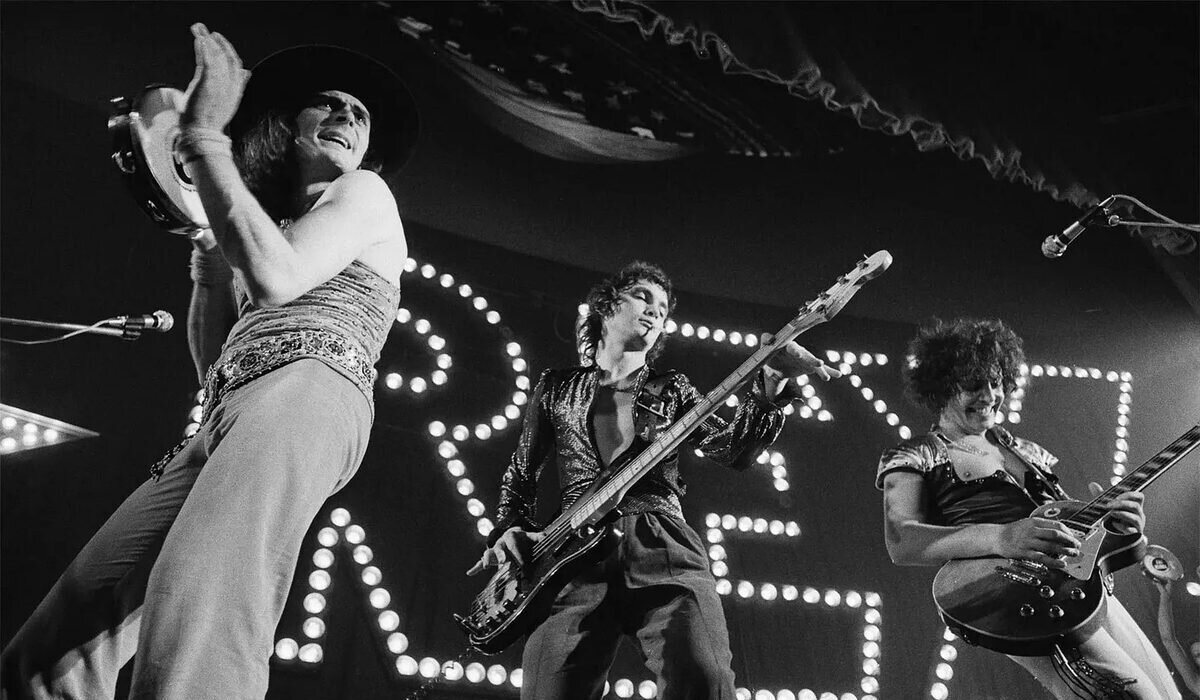
A promo film from the early 1972 European period later circulated as the main visual document, since Bolan skipped UK television push for the single. Covers and classic-rock radio kept the title alive long after the Fly dispute cooled. Inside Electric Warrior, it sits between the album’s bigger international hit Get It On and the quieter album tracks as the cut that still sounds like a band in a room making noise on purpose.
Put Jeepster on after a polished modern rock playlist and the difference is factual: Visconti leaving the stomp in, Bolan’s blues debt made audible, and a UK near-number-one that arrived while the singer argued with his old label. That tension is part of the story; the riff is what remains.

Fatima | 10 octubre 2026
|
¿Quién más pone Jeepster a la 1 de la madrugada y se siente entendido? El café se enfrió mientras terminaba. Aceptable.
Priya | 11 octubre 2026
|
La gente no ve lo raro que es Jeepster. Este texto sí. Fin.
Dan | 12 octubre 2026
|
En corto: el groove de Jeepster sigue siendo injusto. Lo suelto en el grupo. Caos asegurado.
Ben | 13 octubre 2026
|
Abrí el artículo y ya tenía el riff en la cabeza. Clásico. Venga.
Jules M. | 14 octubre 2026
|
Básico, pero Jeepster sigue en mi top 5 de T. Rex.
Ray | 14 octubre 2026
|
Escuché Jeepster mil veces. Esto me recuerda por qué se me quedó. Los foros viejos estaban locos con esto. Buena crónica.
Zoé | 15 octubre 2026
|
Guay. Ahora quiero las caras B alrededor de Jeepster.
Emma | 15 octubre 2026
|
¿Quién más pone Jeepster a la 1 de la madrugada y se siente entendido? Lo necesitaba.
Chris | 16 octubre 2026
|
Abrí el artículo y ya tenía el riff en la cabeza. Clásico. Lo suelto en el grupo. Caos asegurado.