After The Miseducation, a complete studio album arrives in 2002
By 2001, The Miseducation of Lauryn Hill has become a defining album of 1998 and the pressure around its creator has become nearly unmanageable. Hill has new acoustic songs, sharp verses and mistrust of the machinery surrounding her. In this timeline, she hires a small production team, books a New Jersey studio and commits to a finished second album for autumn 2002.
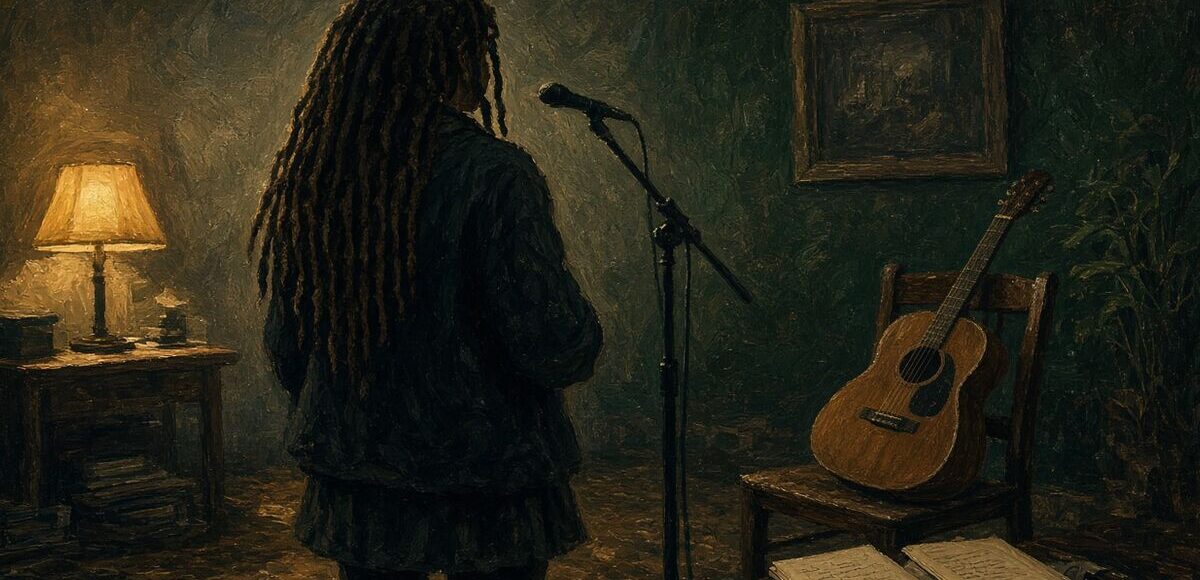
Lauryn Hill writes Emergency Room on a fresh tape box at Sony Music Studios in Manhattan and circles the take that finished at 09:10. A Sony tape operator listens to the playback from the back wall. A Martin acoustic guitar is still lying beside the speaker. The note goes into the next day’s session report. It does not become a press anecdote. Before midnight, Emergency Room is logged under Sony Music Studios in Manhattan.
She keeps the directness of the songs heard in her theatre performances but rebuilds them with bass, drums, organ and restrained strings. Every contributor is credited before the mixes leave the room. Contracts are discussed in daylight rather than after a session.
Coffee is still shut when engineer Commissioner Gordon asks for Letters from the Hill at a rehearsal room in South Orange. A faulty yellow legal pad delays the first run until 10:35. Vocalist Chinah Blac uses the gap to change the order by hand. The corrected sheet stays with the band for the rest of that season. Engineer Commissioner Gordon files the page with Letters from the Hill.
The first single, Emergency Room, begins with a guitar and ends with a full choir. Its verses address fame, family and money without naming a villain for radio. The chorus is strong enough to survive the argument around it.
A courier brings the latest copy of Guard the Gate to Chung King Studios. At 11:50 bassist Adam Blackstone checks it. An ASCAP administrator sets the sound against the previous night’s performance. One mark beside a Hammond organ chooses the version that reaches the public.
The album is called Letters from the Hill. It contains fourteen tracks, including two short rap pieces with no sung hook and a six minute closing song recorded largely live. Columbia releases it in October 2002.
The soundcheck at Columbia’s Black Rock boardroom is underway at 13:05. Hill moves a completed credit sheet two metres closer to the musicians. Letters from the Hill drops a weak entrance and picks up a quieter ending. A Columbia attorney writes the change down before the doors open.
Reviews compare every note with The Miseducation. Hill refuses a defensive interview campaign and performs three songs with the same seven musicians. The record debuts strongly, then gains a second life through the slower title track.
The argument starts again at the Apollo Theater. Guitarist Johari Newton sets Tell Him Again beside a floor monitor. At 14:20 they still do not agree, but Clive Davis has a version to test in front of an audience. The response that evening keeps the disputed passage in Tell Him Again.
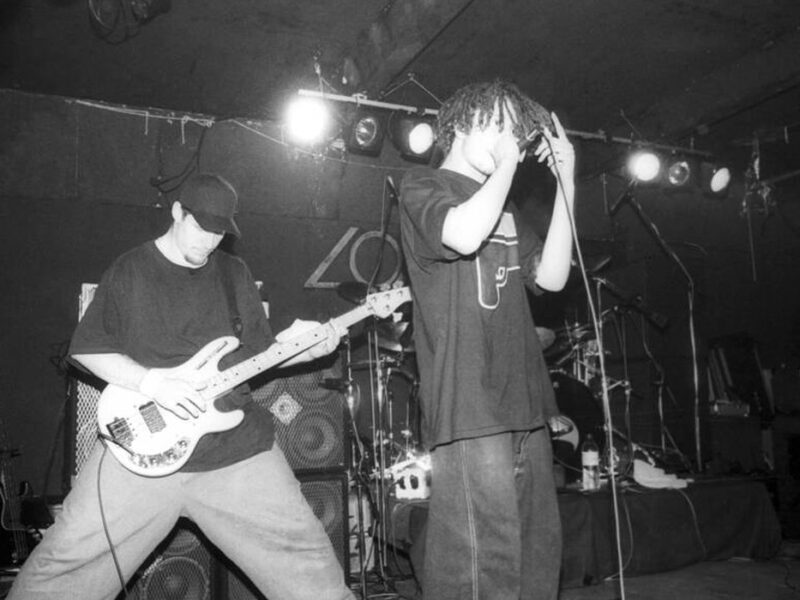
The 2003 tour is limited to forty dates with days off built into the route. Hill changes verses, stops one show to repair a monitor problem and returns without apologizing for the pause. Audiences discover that discipline can look untidy from the seats.
At Newark Symphony Hall the clock hits 15:45 before Hill approves the sequence with Emergency Room. A Star-Ledger critic stays in the corridor with a red notebook and hears only the bass through the door. The running order is on its way to the pressing plant before breakfast. The pressing note for Emergency Room carries that same order.
A Grammy performance pairs Doo Wop with Emergency Room. The old hit is shortened and the new song receives the final chorus. Television producers complain, but the choice prevents the evening from becoming a museum.
What was booked as a rehearsal at a tour bus outside Baltimore turns into a repair of Open School. At 17:10 drummer Lenny McDonald cuts one section and asks tour manager Marc Atkins to judge the gap without the score. The last cue comes from a cracked snare.
In 2004, Hill produces two younger singers and insists on transparent credits. She does not become an easy executive and misses several deadlines. Still, the sessions create a small network outside the usual hit factories.
Home Lesson gets its first public test at Electric Lady Studio C. Wyclef Jean counts in at 18:25. Pras watches from beside a DAT machine. Applause comes late: the room needs a second to hear that the piece has stopped. The broadcast log lists Home Lesson at that length.
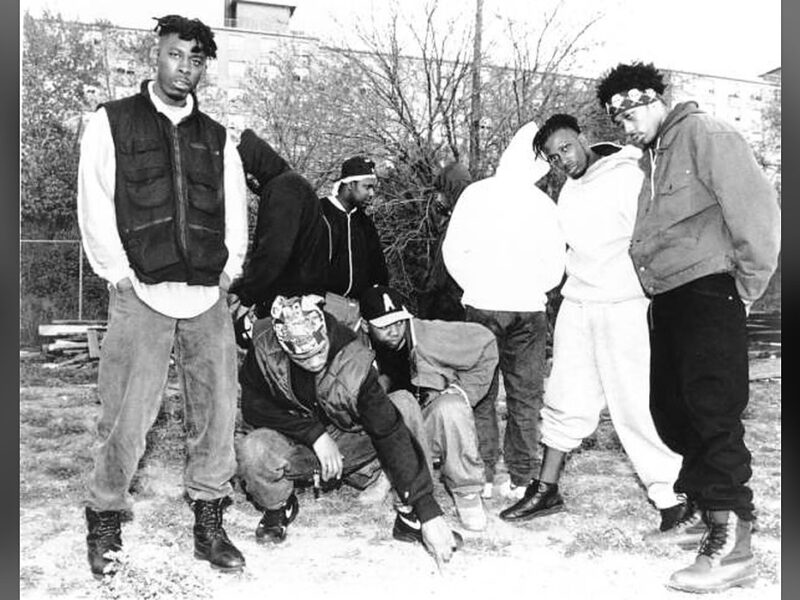
The Fugees reunion begins in 2005 with clearer limits. Wyclef Jean, Pras and Hill record four songs before discussing a tour. One becomes a single, two remain unfinished and nobody pretends the old balance has returned.
Just after 19:40 at a radio booth at WBLS, Angie Martinez is handed the review of Letters from the Hill. A night producer reads the harshest paragraph out loud and folds the page under a stack of listener faxes. The disputed passage stays in the set that night. Angie Martinez leaves the clipping in the box marked Letters from the Hill.
Hill’s third solo album does not arrive quickly. She spends 2006 teaching workshops, raising her family and recording when the songs are ready. The absence causes rumors, but it is no longer mistaken for disappearance.
At 21:05 the van stops outside a Fugees rehearsal in East Orange. Pras is guarding the only finished copy of Three Corners. The main door jams, so Jerry Duplessis carries a sampler disk in through a side entrance. Rehearsal runs shorter. The performance does not change. The transport form names Three Corners as the priority reel.
In 2007, Open School appears with fewer samples and more ensemble playing. It sells modestly beside the decade’s polished rap records. Several songs become standards for singers who value a difficult lyric over an easy pose.
At 22:15 a producer’s meeting at a classroom in Brooklyn turns practical. Hill plays Open School. Twelve teenage writers ask about a box of lyric sheets, a sound no executive had caught on the first pass. The mix locks that part in before lunch. The final mix of Open School keeps a box of lyric sheets audible.
The industry tries to describe her as a comeback artist at every appearance. Hill corrects the word in interviews and points to the 2002 album. Journalists eventually stop asking where she went and start asking how the songs were made.
Backstage at Tuff Gong Studio in Kingston, Stephen Marley pins the set list with Kingston Letter above a ribbon microphone. Ziggy Marley points at the 23:30 curfew and takes out an older number, not the new one. The encore takes that shape. The Tuff Gong Studio in Kingston set list confirms the substitution.
A tenth anniversary edition of Letters from the Hill arrives in 2012 without a mountain of leftovers. Hill adds one concert recording and a booklet naming every musician. The restraint makes the original sequence easier to hear.
The archive room at Prudential Center in Newark opens at 00:20 for Hill. The box marked The Miseducation holds a different edit and a note from her son Zion about the 2002 master reel. The reissue changes. So does the next interview. The archive card for The Miseducation records both edits.
In 2018, she performs both early albums across two nights in Newark. The second evening ends with the 2002 closing song, not with Doo Wop. Hill thanks the band, closes her notebook and leaves after the 2002 closing song has actually finished.
At the same South Orange room, Hill starts Letters from the Hill at 01:05 and skips the introduction. The seven-piece band waits beside a closed notebook until the last sound is gone. The house lights come back only after that. The closing report for the same South Orange room ends with Letters from the Hill.