
Cambridge roots to Dark Side arenas: Waters, Gilmour, Wright, Mason
London and Cambridge in the mid-sixties: Syd Barrett named the band, wrote the early singles, and painted the psychedelic front. Roger Waters, Nick Mason, and Richard Wright were already in the room. By 1967, The Piper at the Gates of Dawn sat beside Sgt. Pepper in the shops, but the Floyd’s path would not stay whimsical. Barrett’s instability and departure forced the survivors to rebuild around mood, length, and production craft rather than pop sparkle.
David Gilmour joined to cover guitar parts Barrett could no longer hold live. The transition albums A Saucerful of Secrets and the suite-heavy Meddle tested how far a rock band could stretch a side. « Echoes » became the bridge: twenty-three minutes that linked psychedelic residue to the clean dynamics of what came next.
The Dark Side of the Moon (1973) is the pivot everyone names, and for good reason. Waters’ concepts about time, money, and mental pressure gave the band a thematic spine. Gilmour’s solos stayed melodic rather than flashy. Wright’s keyboards filled the air. Alan Parsons engineered a record that sounded expensive on home hi-fi and in cars. It charted for years, not weeks.
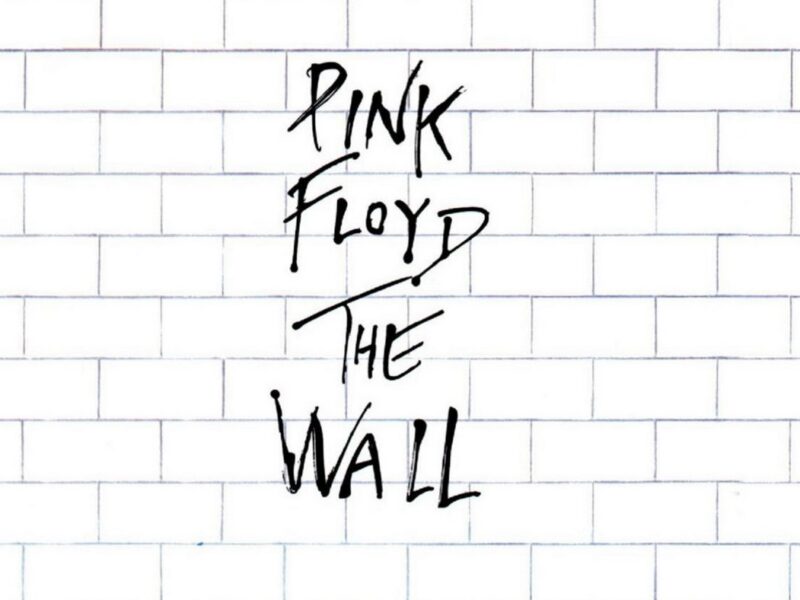
Wish You Were Here (1975) mourned Barrett directly on « Shine On You Crazy Diamond » while « Welcome to the Machine » and « Have a Cigar » satirized the industry that now wanted Floyd stadiums. Animals (1977) sharpened the politics. The Wall (1979) turned personal fracture into a double album and a staged spectacle with a literal wall built between band and audience.
Influences included British psychedelia, American blues through Barrett’s early love of Bo Diddley and jazz experimentation, and the avant-garde habit of treating albums as continuous objects. They listened to The Beatles’ studio ambition and went darker and slower. Gilmour’s touch drew from blues bend and pedal steel patience. Waters’ bass lines anchored narratives more than grooves.
The 1980s split the brand. The Final Cut (1983) was largely Waters. A Momentary Lapse of Reason (1987) and The Division Bell (1994) were Gilmour-led Floyd without Waters, still filling arenas. Live, the band pioneered quadraphonic sound, circular screens, and inflatable props that made concerts feel like shared cinema.
The sonic fingerprint is recognizable once you know it: slow tempos, wide stereo fields, Gilmour’s sustained bends, Wright’s Farfisa and later synth pads, Mason’s tom-heavy drumming that marks time more than it funkifies. Lyrics tend toward abstract dread or childhood memory rather than love-song detail. Production on the classic run favors clarity and space over garage grit.
Entry points are mapped by patience. The Dark Side of the Moon for the perfect mid-period statement. Wish You Were Here if you want warmth inside the same production world. The Wall for narrative theater. Meddle if you prefer one long journey before the hits compile themselves. Add « Comfortably Numb, » « Time, » and « Wish You Were Here » and you have three temperatures of the same palette.
Beside Led Zeppelin, Floyd shared arena scale but traded blues swagger for clinical dread. Beside Genesis, they shared progressive length but with less theatrical costume change. What distinguishes Pink Floyd is the pairing of conceptual albums with mass audience reach: art-school ideas that still scanned in football stadiums.
They repay listening because the catalogue shows how rock could absorb studio technology and still feel emotional rather than cold. Barrett’s ghost, Waters’ anger, Gilmour’s solos, and Wright’s air are distinct roles you can hear across decades. Put on Dark Side in sequence and the argument about sound, theme, and scale makes itself without a documentary voiceover.
Syd Barrett’s solo albums and the 2010s reissues of live tapes remind listeners that Floyd’s story has two front doors: the fairy-tale Piper and the adult architecture that followed. Neither cancels the other. Together they explain why the name still sells tickets and why headphones still reveal details in Mason’s hi-hat on « Time » that arena video screens never capture.