
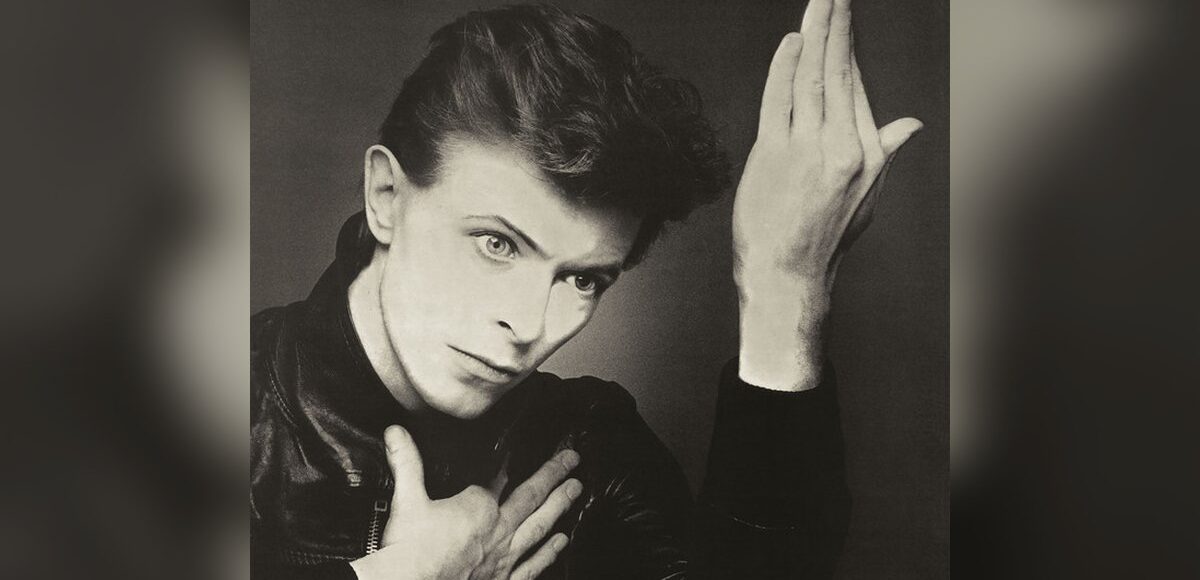
Hansa by the Wall, Fripp and Eno
In July and August 1977, David Bowie and Tony Visconti tracked « Heroes » at Hansa Studio by the Wall in West Berlin, with Brian Eno in the room and Robert Fripp’s guitar lines flying in from London. The album is the middle chapter of the Berlin trilogy after Low, still RCA, still a hard turn away from the American soul of Young Americans and the cocaine theatre of Station to Station. Bowie was living in Schöneberg; the workday meant the Meistersaal and a view toward East German guards.
Side one keeps songs with verses and choruses. « Beauty and the Beast » opens with a clipped rhythm section and a vocal that barely sits still. « Joe the Lion » pushes harder, Alomar’s guitar chopping against Dennis Davis’s drums. The title track stretches past six minutes: Fripp’s feedback arcs over a steady pulse, Visconti’s multi-mic vocal trick lets Bowie climb from a near-whisper to a shout without resetting the take, and the lyric holds two lovers against a wall while guns fire overhead. It is the album’s public face and its longest studio wager.
« Sons of the Silent Age, » « Blackout, » and « V-2 Schneider » keep the band lean: Carlos Alomar on guitar, George Murray on bass, Dennis Davis on drums, with Eno’s treatments and Fripp’s lead work cutting through dry mixes. Antonia Maass’s backing vocal on the title cut is part of the Hansa folklore Visconti later told in interviews. Side two shifts into instrumentals. « Sense of Doubt, » « Moss Garden » with its koto colours, « Neuköln, » and « The Secret Life of Arabia » trade hooks for atmosphere and Berlin street air without turning the record into a soundtrack pad.
I had to invent a new language for myself. Berlin was the place.
(David Bowie on the Berlin years)
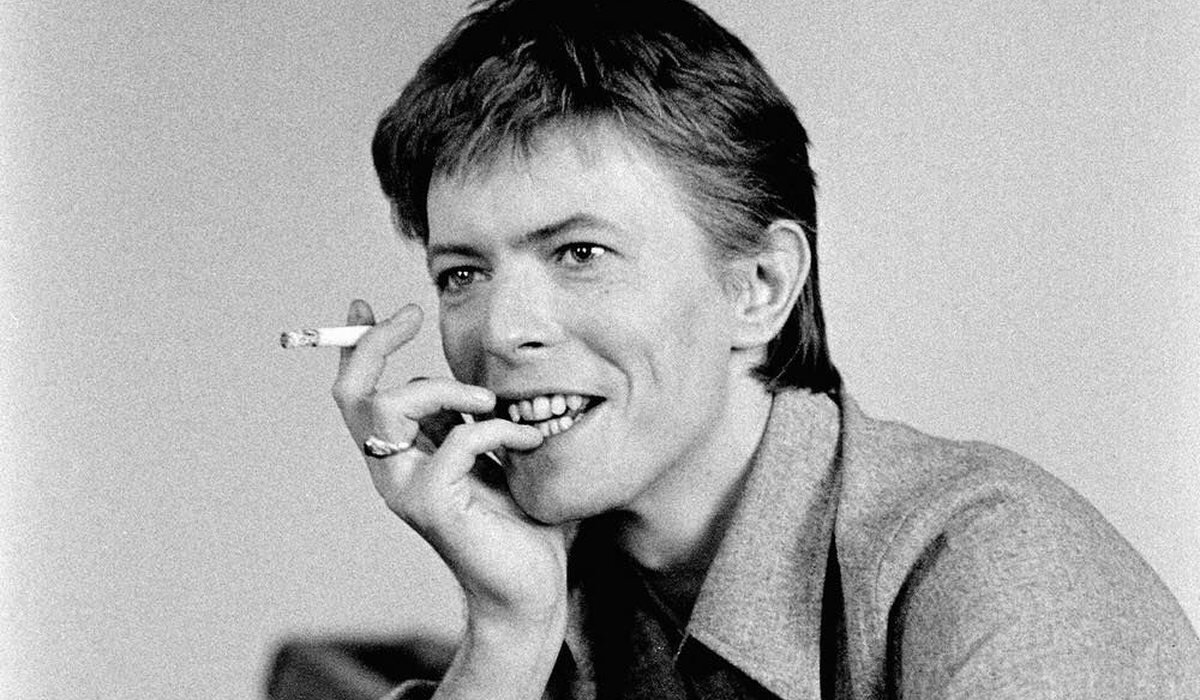
The single edit of « Heroes » reached only No. 24 in the UK in September 1977, a soft chart return for a song that TV and later films would treat as an anthem. Bowie cut German and French versions, « Helden » and « Héros, » and shot a sparse Dorfman promo in dark clothing against white light. On the Isolar II tour the album cut grew into a nightly set-piece; decades later it still opens playlists tagged Berlin even when listeners never heard the instrumentals.
What holds is the studio fact pattern. Hansa’s control room sat close enough to the Wall that Visconti could watch border guards through the glass. The band played tight, the treatments stayed audible, and Bowie refused to sand the edges for radio programmers who wanted another Young Americans. Fripp’s parts were often first or second takes, left raw on purpose.
« Heroes » is not a soft reinvention story. It is a working document from a West Berlin summer where art-rock, ambient sketches, and a radio-sized anthem shared the same reel. Put it after Low and before Lodger and the trilogy’s method is clear: short rock songs on one side, open space on the other, and a singer still willing to change the room mid-session.