
Wild Bunch Bristol, Blue Lines, then Mezzanine’s dark gloss
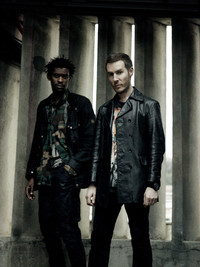
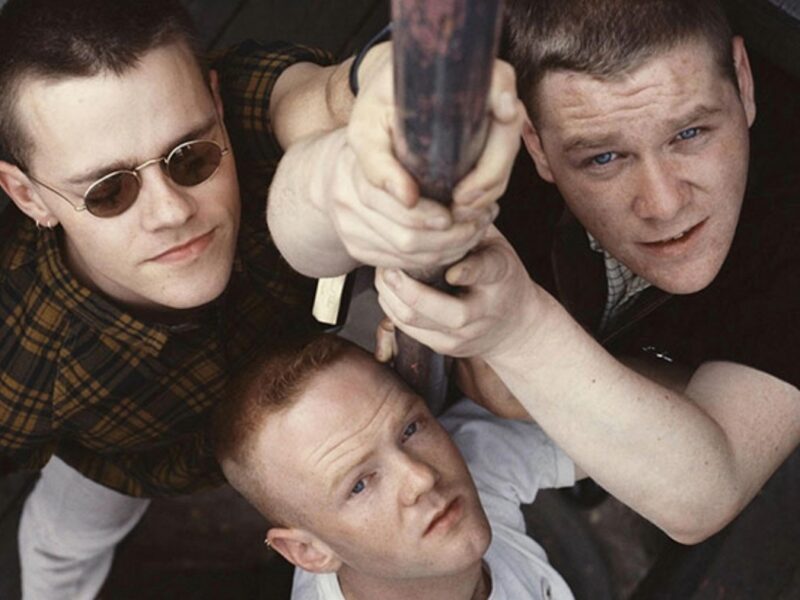
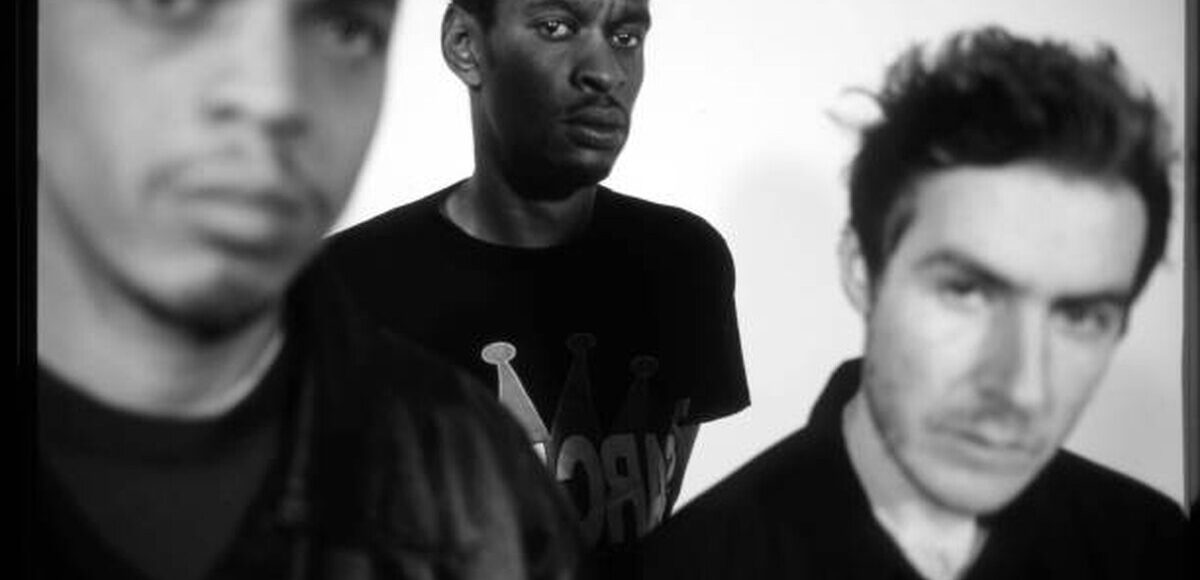
Massive Attack grew out of the Wild Bunch, a Bristol sound-system collective active through the mid-1980s. Grant « Daddy G » Marshall, Robert « 3D » Del Naja, and Andrew « Mushroom » Vowles were the principal members who carried the Wild Bunch’s approach into a recording project. Tricky, who later built a significant solo career, was part of the wider circle. The Wild Bunch played reggae, hip-hop, soul, and electronic music across the same sets, and that non-hierarchical approach to genre stayed in the DNA of what became Massive Attack.
Blue Lines, issued on Circa/Virgin in April 1991, set the template that the UK music press would label trip-hop: slow breakbeats, deep bass, sampled atmospheres, and guest vocalists treated as lead instruments rather than featured guests. « Unfinished Sympathy », recorded with Shara Nelson and featuring a string arrangement conducted in a single Los Angeles afternoon, put an orchestral sweep under a locked drum machine groove. « Safe from Harm » and « Daydreaming » showed the same method: space and patience before the hook, sub-bass as the primary emotional carrier, vocals placed inside the arrangement rather than on top of it.
Protection (1994) was cooler and more electronic in palette. Tracy Thorn of Everything But the Girl sang the title track with a reserve that fitted the production. The record reinforced the guest-vocalist model and pushed the sound toward a colder digital sheen without abandoning the warmth that Blue Lines had established. Then Mezzanine (1998) arrived as a more radical departure: Vowles left during the making, and Del Naja and Daddy G built a record around dense guitar samples drawn from the Velvet Underground and other sources, layered noise, and a specific kind of compressed dread. « Teardrop », recorded with Elizabeth Fraser of the Cocteau Twins, became a crossover single and later the theme for the British television series House.
The Wild Bunch background explains the production logic. Sound-system DJs learn to hold a room with bass weight and selective vocals, not with constant fills or melodic hooks at full volume. Blue Lines applied that patience to a studio album: Horace Andy’s reggae phrasing and Shara Nelson’s soul reach were treated as textural elements within the arrangement rather than conventional lead performances. Mezzanine then sampled rock guitar until the guitars became atmosphere: fog around the kick drum rather than instrument in the foreground.
100th Window (2003) and Heligoland (2010) continued as a core duo with rotating collaborators. Del Naja’s visual work, stencil art and graphic design linked openly to political and activist positions, connected the music to a broader public identity. Festival headline slots and arena tours proved that the quiet records could scale when the PA was large enough. The live format, screens, low light, and sub-bass frequencies requiring a serious sound system, was as much a design decision as a performance one.
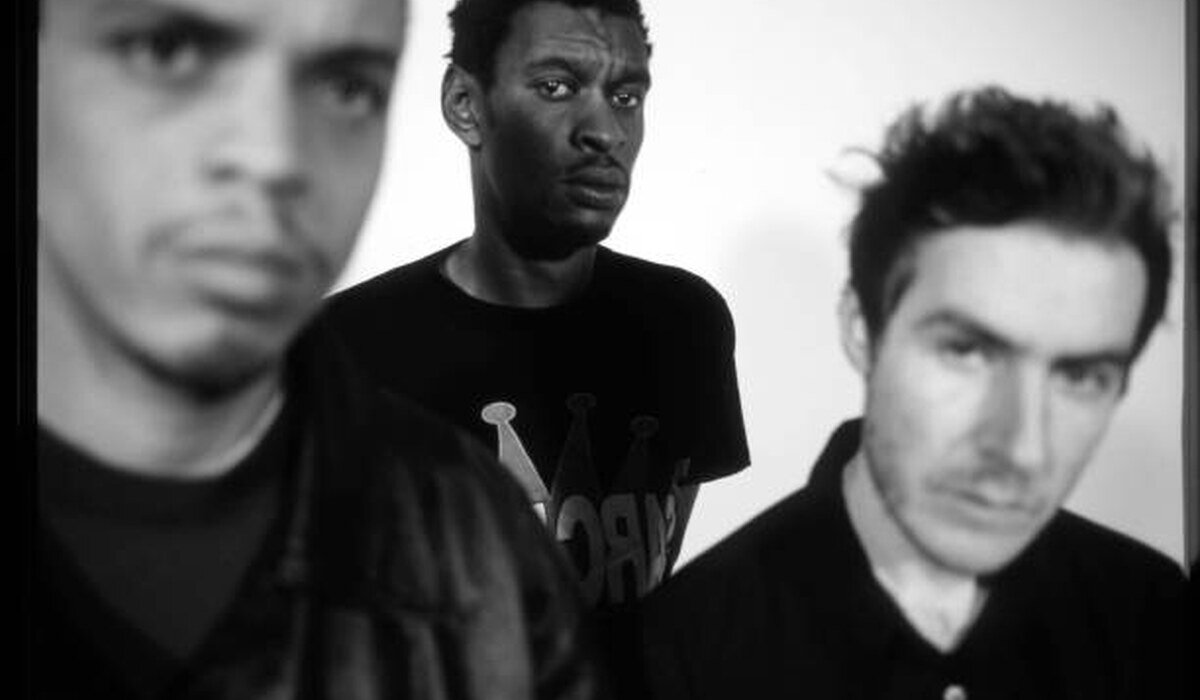
The Bristol context matters but does not fully contain the band. Portishead and Tricky, both associated with the same moment and city, produced distinctly different music. Portishead leaned on spy-film sample aesthetics and Beth Gibbons’ raw vocal delivery. Tricky’s work was more paranoid and claustrophobic. Massive Attack maintained the sound-system DNA most explicitly: the preference for bass weight over treble, for atmosphere over guitar heroics, for featured voices chosen for what they add to the arrangement rather than for their own commercial profile.
Influence shows in film trailers, fashion campaigns, and a generation of producers who learned to leave empty bars in the mix. « Teardrop » and « Unfinished Sympathy » remain the two tracks most likely to appear in editorial playlists, television soundtracks, and licensing, but the albums reward listening in sequence. Mezzanine in particular is a record that benefits from being played through rather than sampled.
Blue Lines is where to start: it established every element the catalogue would develop further. Protection introduces the colder palette. Mezzanine is the most uncompromising statement and the one that took the longest to settle into. What holds the three records together is method: the tempo rarely rises above a walking pace, the sub-bass frequency is always present, and the featured vocalist is chosen for what their voice adds to the room. Bristol bass, film-score patience, and a refusal to hurry toward a chorus.